


Technology Against Drunk Driving
Drunk driving is a serious problem wherever there are cars. Technology already exists that can make it impossible to start a car if the driver is drunk. US lawmakers want to make this technology mandatory for new cars. Some officials tried to halt the bill’s progress, but their attempt just failed, and the controversy between safety and surveillance is only intensifying.
Congressional Vote
On Thursday, legislators rejected an amendment introduced by Representative Thomas Massie that would have prohibited the use of federal funds to implement or enforce rules related to “advanced drunk and impaired driving prevention technology.” The amendment failed with a vote of 164 in favor to 268 against. It was supported by 160 Republicans and four Democrats, while 57 Republicans joined 211 Democrats to reject it.

What This Decision Really Means
This vote does not create a new mandatory requirement or force automakers to install “kill switches” today. Instead, it preserves a directive adopted as part of the 2021 Infrastructure Investment and Jobs Act, which requires the Department of Transportation to develop a federal safety standard aimed at preventing driving under the influence of alcohol or other impairments. However, this distinction has done little to mitigate the controversy.
The 2021 Infrastructure Act tasked the National Highway Traffic Safety Administration with researching rules requiring new vehicles to be equipped with “advanced drunk and impaired driving prevention technology.”
A Requirement Without a Specific Mechanism
The law’s language is broad and calls for systems that can passively detect impairment either through driver behavior or blood alcohol concentration, and then “prevent or limit vehicle operation” if impairment is detected. Importantly, no federal vehicle safety standard is currently in effect. NHTSA missed its initial 2024 deadline for issuing a final rule, citing unresolved technical issues, including reliably distinguishing impairment from fatigue, distraction, or medical conditions. In other words, there is no “kill switch” requirement today, and any future requirement still has to go through the full regulatory process.
What Critics Fear Most
Unfortunately, the amendment I offered to stop funding a federally mandated car kill switch did not pass. 57 Republicans joined 211 Democrats to reject it.
Thomas Massie and other critics argue that even mandating regulators to develop such technology opens the door to government overreach. In their view, a system capable of disabling a vehicle, regardless of how it is implemented, risks becoming a tool for surveillance or control. “Your dashboard should not be judge, jury, and executioner,” Massie wrote, arguing that future systems could shut down cars based on faulty data, without due process, and without an immediate recourse for drivers.
Florida Governor Ron DeSantis echoed this concern, calling the concept “Orwellian” and warning against any technology that can be controlled remotely or influenced by the government. Privacy advocates also point out that once monitoring hardware exists, the temptation to expand its use, whether for law enforcement, insurance, or compliance, may prove hard to resist.
The idea that the federal government would require automakers to equip cars with a “kill switch” that the government can control is something you would expect to see in Orwell’s “1984,” and yet…
Supporters’ Counterarguments
Supporters of the law argue that these fears are exaggerated and technically unnecessary. First, the statute does not require cloud connectivity, GPS tracking, or government access to vehicle data. In theory, an impaired driving prevention system could operate entirely locally, using onboard sensors and processors, transmitting no information outside the car at all. Admittedly, most of them currently do not work that way, but that is a separate issue.
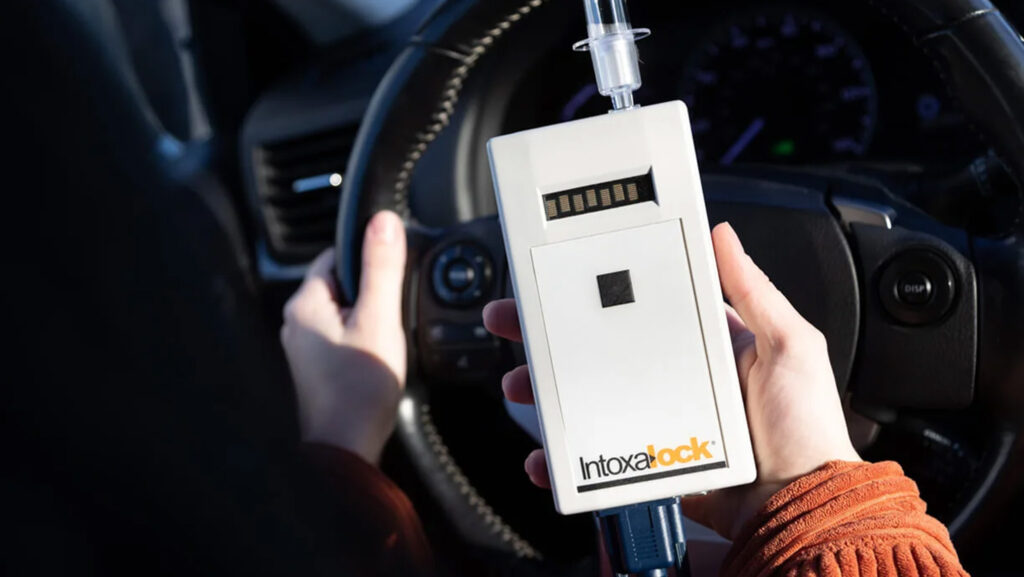
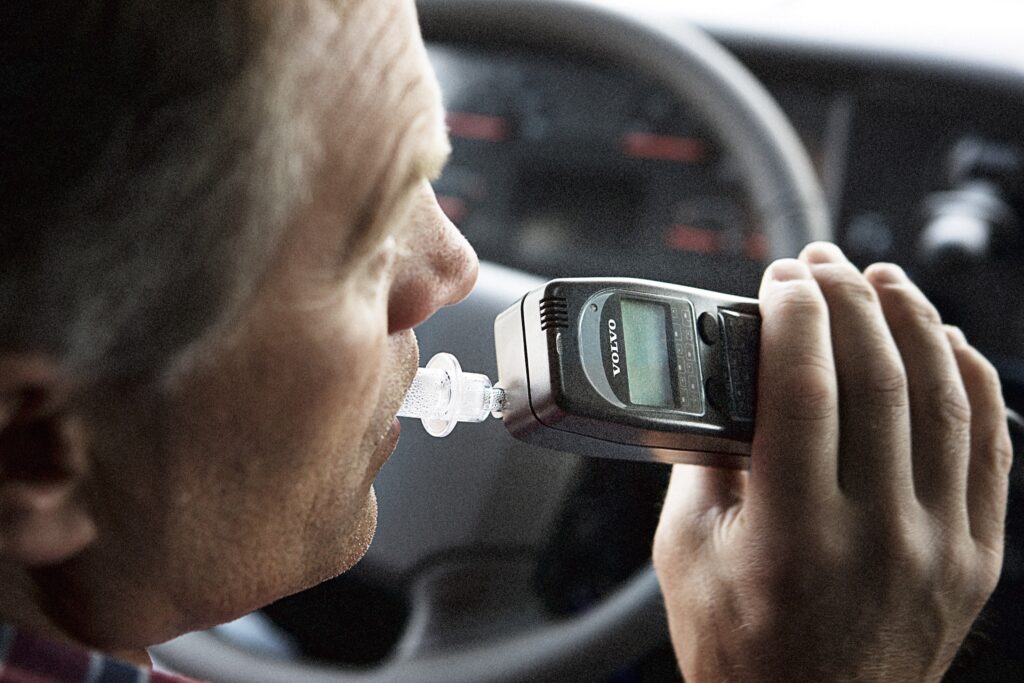
Second, supporters argue that drunk driving remains one of the deadliest and most persistent road safety problems in the US, killing over 13,000 people annually. Unlike ignition interlock devices, which require a breath test and are typically installed only after a DUI conviction, the proposed technology is meant to be passive and unobtrusive, intervening only when clear impairment is detected.
Democratic Representative Debbie Dingell of Michigan dismissed claims of mass surveillance, stating that assertions that the technology would track drivers or shut off cars in the middle of the road were “blatantly false.”
Current Status and Future
For now, nothing changes for consumers or automakers. What Thursday’s vote made clear is that even in a divided Congress, there is not yet enough support to completely stop the process. The development of the standard continues, and automakers will likely need several years to adapt after its adoption. Meanwhile, the debate over where the line lies between public safety and private life in the digital age is becoming increasingly relevant. The question is whether future technological solutions can find a balance that satisfies both sides, or whether this controversy will become just the first in a series of similar conflicts as cars become increasingly “smart” and connected.