


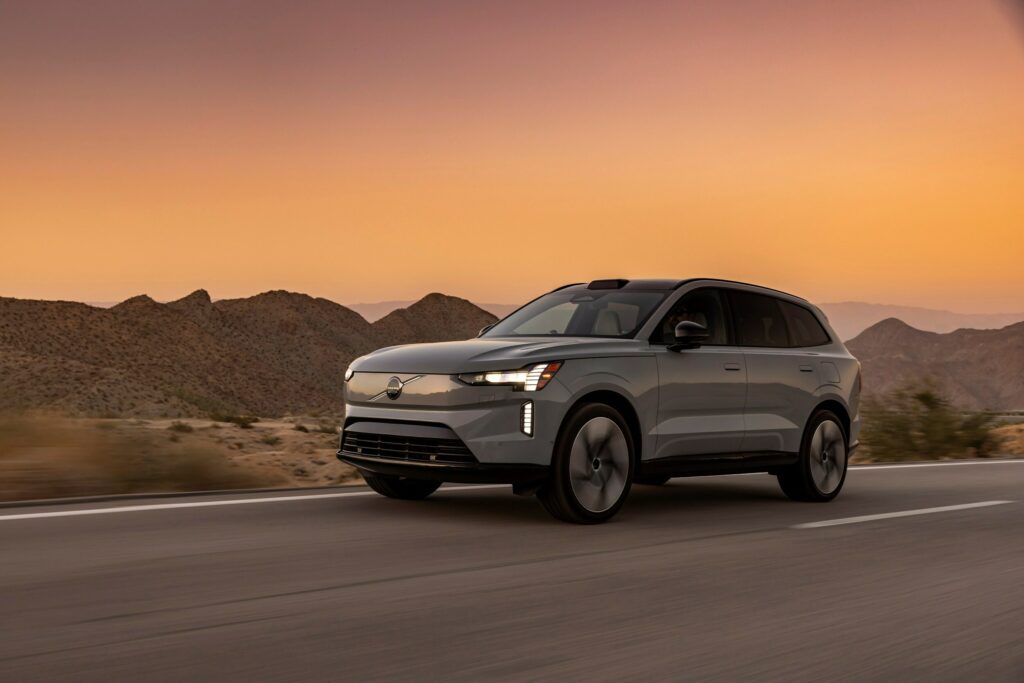
New bill against Chinese cars in the US
Two US Congress members have again taken aim at Chinese cars. The new bill targets models produced by companies in which Chinese capital accounts for more than 15%. Even tourists will not be allowed to enter America in Chinese cars.
Detroit could suffer serious damage if Chinese automakers establish themselves in the US market. So it is no surprise that two politicians from Michigan have joined forces, announcing the “Protecting America from Chinese Cars Act.” Introduced last month at the Mackinac Policy Conference, the bill aims to prevent “Chinese connected vehicles from entering the United States, including through our northern and southern neighbors.”
This is a transparent allusion to Canada and Mexico, where Chinese cars are becoming increasingly prominent. Specifically, offices of Representative Haley Stevens and Senator Elissa Slotkin noted that Canada recently accepted Chinese electric vehicles, while Chinese cars have already quickly captured about 15% of the market in Mexico.
Who is in the crosshairs?
The proposed bill aims to “prevent connected vehicles from China and other hostile countries from entering the United States.” This applies both to cars manufactured or designed in China and to models “produced by a Chinese company or entity in which Chinese companies hold a stake of more than 15%.”
This would create a huge problem for Volvo, as Geely reportedly owns 78.7% of the company’s shares. Polestar could also find itself in the crosshairs, as more than 20% of the manufacturer is likely owned by Geely.
Volvo has already faced a similar issue due to a Biden-era rule aimed at “banning the sale and import of connected vehicle hardware and software, as well as finished connected vehicles” from China and Russia. However, the Trump administration recently granted the company a “special permit” that prevents a ban on their cars and technologies under the “Protection of Information and Communication Technology and Services Supply Chain: Connected Vehicles” rule.
Exceptions and new restrictions
The new “Protecting America from Chinese Cars Act” also provides for the possibility of granting special permits that “would allow other prohibited vehicles to enter the United States.” However, they will be “granted only under strict conditions, with transparency and Congressional oversight.”
This sounds like an unnecessary repeat of previous efforts, but Stevens claims the bill “closes dangerous loopholes that currently allow Chinese connected vehicles to enter the United States through Canada and Mexico.” Slotkin added an important caveat, stating that the bill would ban “fully finished Chinese vehicles from entering under any circumstances, even just for the day.”
This is a key difference, as the bill prohibits citizens of Canada and Mexico from visiting the United States in their Chinese cars. Perhaps this is excessive, but Slotkin described Chinese cars as “surveillance packages on wheels” that are “fully capable of determining the geolocation of individual drivers, collecting video in motion, and mapping sensitive infrastructure objects, including our military facilities.”
“The bill closes dangerous loopholes that currently allow Chinese connected vehicles to enter the United States through Canada and Mexico.”
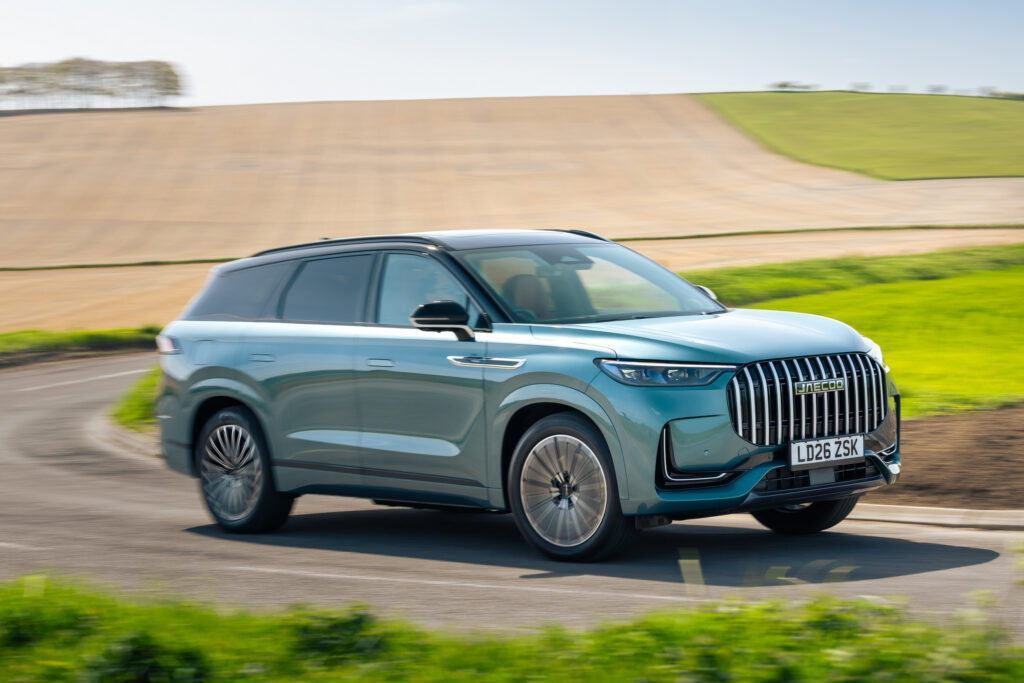

This bill is another step in the escalating trade and technology confrontation between the US and China. It not only restricts imports but also effectively blocks entry into the US for owners of Chinese cars from neighboring countries, which could complicate cross-border travel and tourism. At the same time, such measures may push Chinese companies to find new ways around the restrictions or to localize production outside of China, thereby changing global automotive logistics.