



Chinese cars have established themselves in the UK market
Chinese cars, once perceived as a curiosity or largely ignored, are now firmly established in the UK car market. By the end of 2025, vehicles imported from the Far East are expected to account for around 10 percent of all new car sales in the country. The times when Chinese models were dismissively rejected by Western buyers now seem increasingly distant from reality.
A new report, citing European electric vehicle analyst Matthias Schmidt, estimates that after tallying up the results for 2025, Chinese brands will sell over 200,000 new vehicles in the UK.
Sales leaders: MG and BYD


The bulk of this success has been provided by three brands: MG, BYD, and Chery. At the same time as Chinese manufacturers have strengthened their positions, demand for Japanese cars has noticeably fallen.
MG continues to lead by a wide margin. In 2025, the brand sold over 70,000 cars, maintaining the strong performance of the previous year. BYD has also significantly strengthened its position, increasing sales in the UK from less than 9,000 in 2024 to over 40,000 this year. Their presence on British roads is no longer unusual.
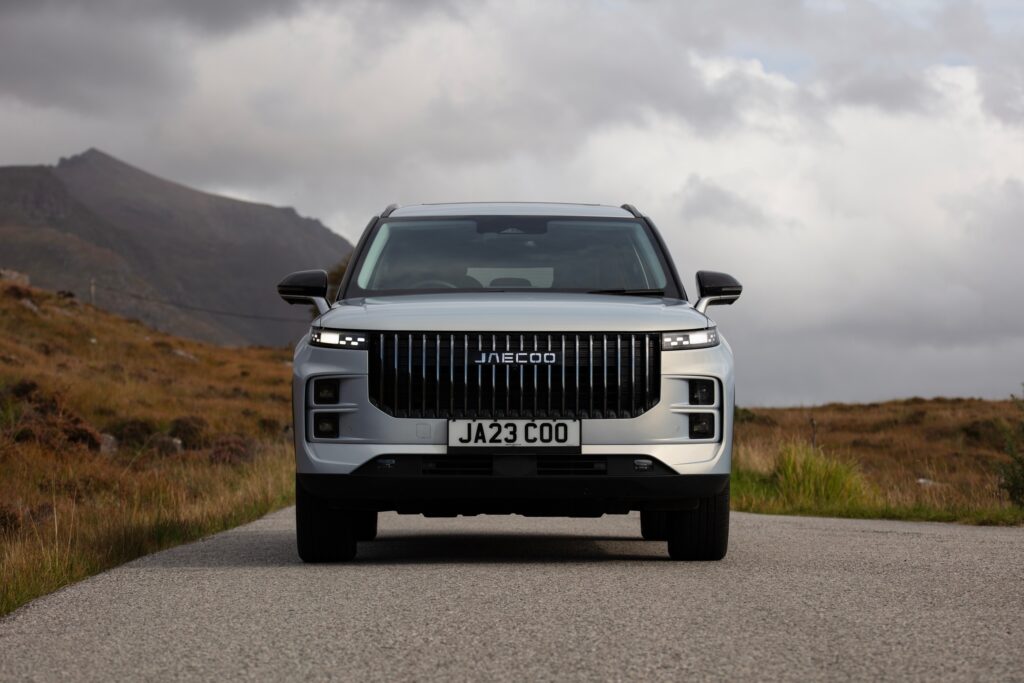
Several other Chinese brands also showed significant growth during the year. Jaecoo sold over 20,000 cars, and Omoda approached a similar figure. Chery, Polestar, and Leapmotor also continue to gain popularity among British buyers, albeit on a somewhat smaller scale.
Meanwhile, Japanese brands lost almost a full percentage point of market share in the UK over the past twelve months. The decline is not dramatic, but it is measurable, and it reflects trends occurring across the continent.
Why tariffs haven’t slowed growth


Sales of Chinese cars have grown across the European continent, despite the introduction of high tariffs. In an attempt to protect domestic manufacturers, European legislators introduced these measures at the end of last year, targeting electric vehicles produced in China. However, the tariffs do not apply to hybrid or internal combustion engine models, and sales of such cars have increased significantly.
The UK, now outside the EU, has proven particularly receptive to these brands. With no major domestic car manufacturers left in the country, the market is wide open.
“Without real domestic mass brands for British consumers to choose from, they, importantly, can no longer participate in so-called patriotic purchases. In Germany and France, half of each country’s new car market is effectively controlled by domestic brands. In China, we now also see that two-thirds of the market is accounted for by domestic brands,” noted analyst Matthias Schmidt.
This market transformation points to deeper changes in the global automotive industry, where traditional manufacturing centers are facing new competition. The success of Chinese brands in the UK could set a precedent for other markets where consumers increasingly value technological innovation and value for money, regardless of the brand’s country of origin. The demand dynamics also show that trade barriers do not always have the desired effect if the market offering is sufficiently attractive to the end buyer.