


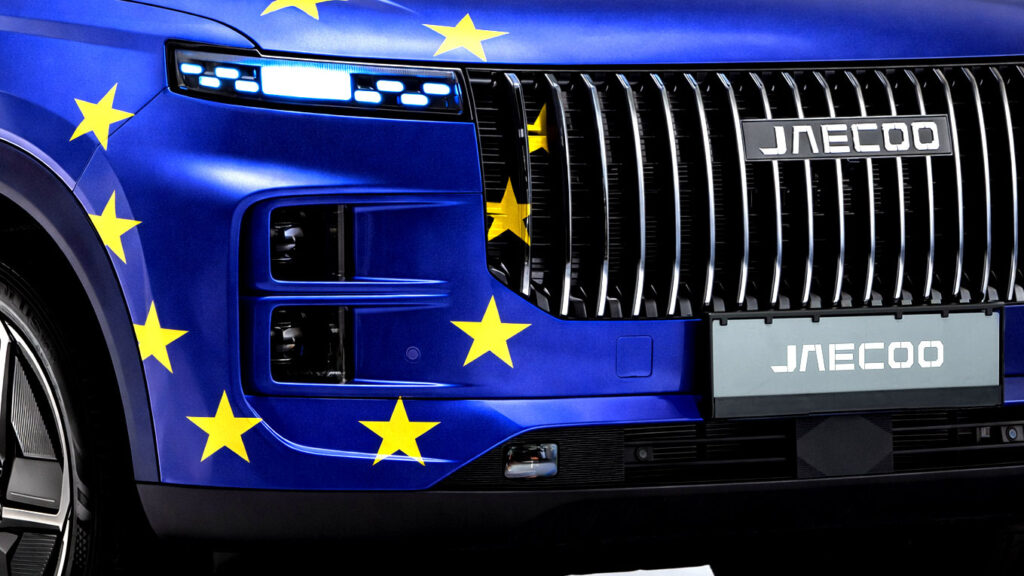
Record Market Penetration
Chinese automakers have been gradually strengthening their position in Europe for several years, and now their growing presence is seriously worrying local competitors. In December, cars from Chinese brands set a record share of the total European market. This jump occurred against the backdrop of overall sales growth, as figures for both December and the entire 2025 year exceeded the results of the previous year.
Europe has just replaced Tesla with a new champion in electric vehicle sales.
Data from Dataforce, covering 98% of the market volumes in the EU, UK, and EFTA, shows that 13,295,075 new vehicles were sold in Europe in 2025, a noticeable increase compared to 12,994,720 cars in 2024.
Breakthrough December Figures
As reported by Auto News, December played an extremely important role in the annual growth. Monthly sales increased from 1,070,043 to 1,151,209 cars, driven by high results in several key markets, including the UK.

However, December was marked not only by a general upturn. For the first time, Chinese automakers collectively sold over 100,000 cars in one month – European buyers purchased 109,864 units.
Sales in December grew by 126%, and for the entire calendar year, these brands delivered a total of 810,982 cars, which is 99% more than in 2024. This gave them a 6.1% share of the European market by the end of 2025. This figure may still seem modest, but the growth trend is very rapid.
Which Chinese Manufacturers Achieved the Greatest Success?
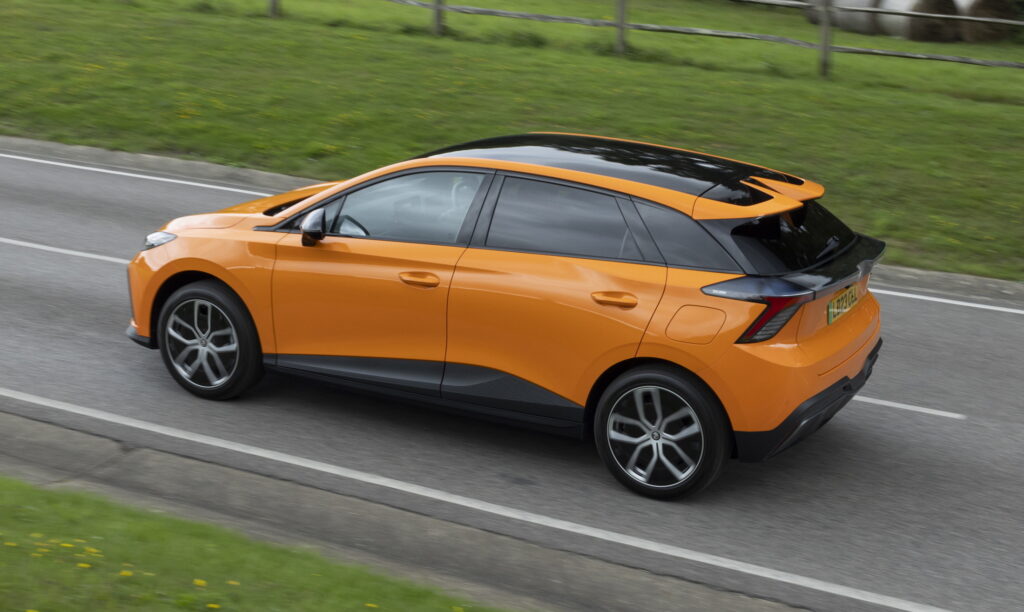
The best-selling Chinese group was SAIC, which includes the extremely successful MG brand. It sold 307,812 cars in Europe last year, compared to 244,121 the year before. MG accounted for 307,282 of these sales, with the remaining 530 from the Maxus brand.

Next in terms of performance is BYD, whose total sales in 2025 reached 186,612 cars, a huge leap from 49,590 sold in 2024. This surge is largely due to popular models like the Seal U, Dolphin Surf, Sealion 9, and Seal. The Seal U alone accounted for 79,407 units, of which 72,667 were plug-in hybrids, making it the best-selling PHEV of the year in Europe.
Chery also kept pace. Its sales in 2025 reached 120,207 units, sharply rising from just 17,038 in 2024. The Jaecoo brand made a particularly loud entry into the market, increasing sales from 2,490 to 56,944. Omoda also grew significantly, moving from 14,540 units to 52,950.
The Geely Group also showed solid results, selling 400,725 cars in Europe last year. Of these, 332,226 were Volvo models, which still form the bulk of the group’s European volume.
Nevertheless, sales grew across the entire range of other Geely brands, including the namesake brand, Lynk & Co, Polestar, and Zeekr. Polestar, in particular, demonstrated significant growth, delivering 47,579 cars compared to 30,546 the year before. This rise was largely driven by the arrival of the Polestar 4, which alone added 26,316 units.
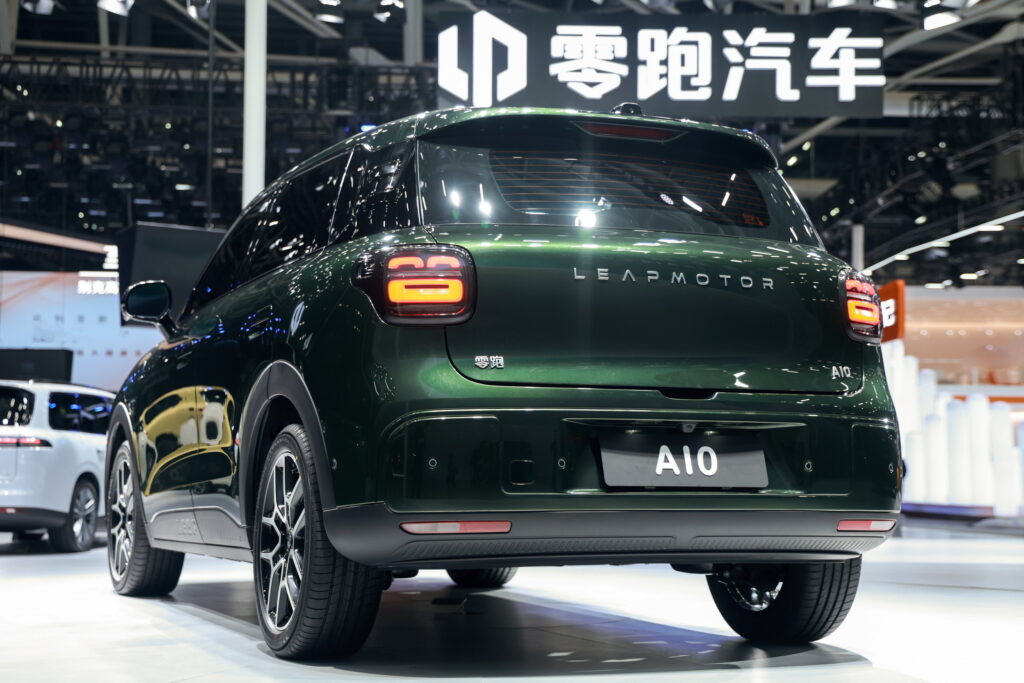

The Stellantis-backed brand Leapmotor was also on the rise, climbing to sixth place among Chinese automakers in Europe with 33,567 cars sold. Its compact electric T03 accounted for 60% of this figure, indicating sustained demand for more affordable electric options in the region.
MG and BYD Enter the Mainstream
Chinese automakers are now beginning to challenge more established brands in the rankings. MG finished the year in 16th place overall in Europe, ahead of names like Cupra, Nissan, and Fiat. BYD rose to 22nd place, surpassing Suzuki, Mini, and Mazda. Jaecoo, Omoda, and Polestar also entered the top 35.
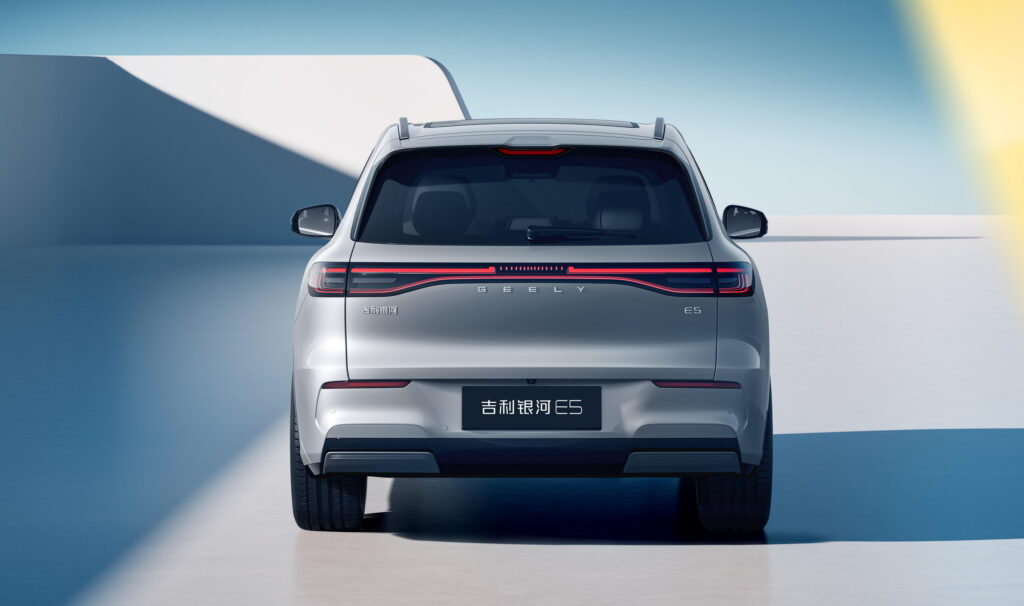

These figures clearly illustrate not only a quantitative but also a qualitative shift in the market. Chinese brands are no longer associated exclusively with the budget segment; models like the Polestar 4 or BYD Seal compete with their European counterparts in technology, design, and equipment. The speed at which they are gaining popularity is forcing traditional European manufacturers to reconsider their strategies, especially in the electric vehicle segment, where Chinese companies often have an advantage in cost and speed of launching new products. The future battle for the European buyer seems likely to be determined not only by brand loyalty but also by technological flexibility and the ability to offer an attractive price-to-quality ratio.