


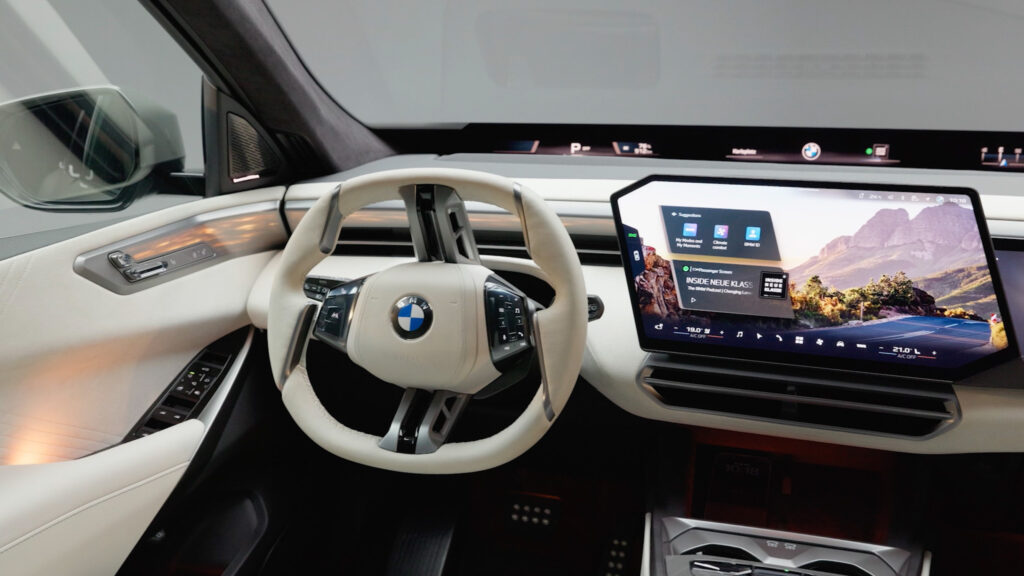
The EU Mandates Driver Surveillance Cameras: What It Means for Everyone
As of July 7, the European Union has activated the final phase of its updated General Safety Regulation. The key requirement directly concerns the driver: every new passenger car sold in the bloc must now have a driver gaze-tracking system. Many automakers already used similar equipment to warn against fatigue, but it is now a mandatory requirement for all new cars and vans.
Drivers in the US shouldn’t consider this just a European issue. Federal safety programs aimed at combating drunk driving and inattention are moving towards their own mandatory implementation of driver monitoring systems by 2027. Therefore, the technology appearing in European car dealerships today is a harbinger of what will appear in the US tomorrow.
How the New System Works
The EU’s sweeping mandate is expected to affect approximately 15 million vehicles per year. Among its requirements is the so-called Driver Drowsiness and Attention Warning system (ADDW), which uses infrared sensors embedded in the dashboard and software capable of analyzing precise head and eye movements.
The software defines specific zones within the cabin, paying the most attention to the lower area, including the dashboard, infotainment display, steering wheel, instrument panel, and center console.
If the driver keeps their gaze in this zone for more than 6 seconds at speeds of 20-50 km/h, or more than 3.5 seconds at higher speeds, the system provides visual and audible warnings. To avoid false activations, the software has a minimum tolerance of 50 milliseconds.
Why This Matters: Safety Statistics
The legislation is based on the European Commission’s estimate that between 10% and 30% of road traffic accidents in Europe are caused by driver distraction. Lawmakers believe that the driver monitoring system could save 25,000 lives by 2038.
American data points to the same issue. The National Highway Traffic Safety Administration (NHTSA) links driver distraction to 16% of all fatal crashes, 21% of injury crashes, and 22% of all motor vehicle accidents in the US.
Consumer Concerns and Privacy Issues


While improving road safety is a noble goal, the real-world behavior of these systems is already causing a backlash. Automotive reviewers claim they often give false alarms, mistaking normal blinking and regular head movements for drowsiness, and then annoy the driver by suggesting they take a rest. Others see this as yet another mandatory electronic package that could further increase the cost of a new car.
The most serious concern, however, pertains to privacy. On paper, the official EU text clearly states that the ADDW system should function as a closed-loop architecture. However, privacy advocates warn that regulators have not yet created any independent audit mechanisms to verify that manufacturers comply with the rules.
According to Risky Business, citing Belgian channel VRT, Volvo has openly acknowledged that its driver monitoring architecture processes data in real-time on secure external cloud servers, contradicting the closed-loop architecture recommendations.
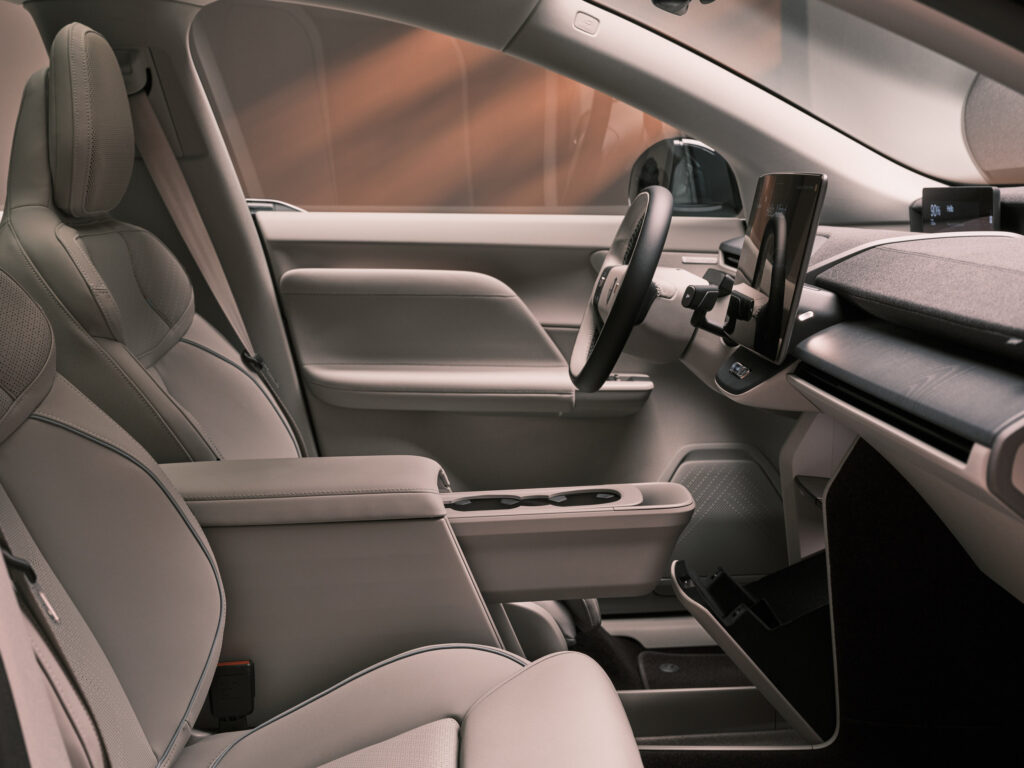

Such an admission raises concerns given the automotive industry’s history with consumer data. Giants like GM, Hyundai, and Kia have been caught tracking driving habits and selling that telemetry to data brokers, who then pass it on to insurers to raise customers’ premiums.
One can only hope that regulators will finally do their job and not allow modern cars to turn into high-tech corporate spies.
Other Requirements of the New Regulation
In addition to the driver monitoring system, the new legislation requires all new passenger cars and vans to be standardly equipped with a more advanced AEB system featuring pedestrian and cyclist detection. Automakers must also provide better forward visibility, expand the safe glass zone that protects pedestrians during collisions, and conduct additional tests on worn tires.
European Commission Instagram post about the new safety rules.
While the new rules aim to save lives, they also open up a complex discussion about the balance between safety and privacy. How automakers and regulators handle data storage and usage will be a key factor in consumer trust. If monitoring systems turn into tools for data collection without proper oversight, it could lead to serious violations of drivers’ rights. At the same time, the potential for reducing road accidents is a strong argument in favor of implementing these technologies. The future will show whether manufacturers can keep their promises about closed-loop architecture and whether independent oversight mechanisms will be established.