 by
by New spy photos confirm that Cupra is preparing an update for its Born electric vehicle. Here are the key details:
An Evolutionary Update for the Popular Hatchback
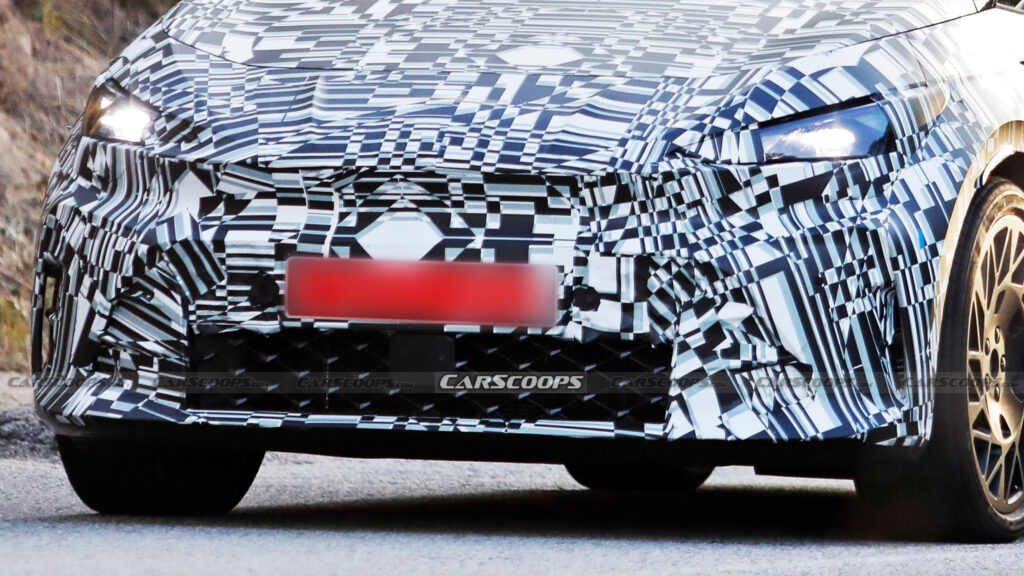
In 2026, Cupra plans to introduce the all-new Raval subcompact electric vehicle, but the brand is not forgetting the model that helped shape its electric identity. Fresh spy shots of a lightly camouflaged Cupra Born prototype show that work on the mid-cycle update for the popular electric hatchback is ongoing, even if the changes do not look revolutionary.
Previous testing of the updated Born took place about half a year ago, and judging by the latest images, Cupra’s approach remains purely evolutionary. This is probably not a bad thing, as the Born is still considered one of the most attractive small electric cars on the market and, in the opinion of many, looks much more dynamic than the Volkswagen ID.3 on which it is based.

Exterior Updates: Lights and Bumpers
As before, the camouflage is concentrated on the front and rear ends, hinting at redesigned bumpers and updated lighting graphics. At the front, the lower grille appears taller and more voluminous, flanked by vertical outer air vents that should add visual width and aggression.
It’s a subtle tweak, but it aligns the Born with Cupra’s latest design language, seen on models like the Tavascan and Terramar, as well as the Raval.
At the rear, the update looks equally restrained. The rear bumper seems to house a revised diffuser with a more pronounced lip at the corners, giving the Born a slightly lower and more planted stance. Again, nothing dramatic, but enough to distinguish the updated car from previous models if you know where to look.

Minimal Body and Interior Changes
The doors, roofline, and overall proportions appear unchanged, which is unsurprising given how much the Born inherited from its Volkswagen ID.3 sibling. In fact, the two cars are so closely related that even the doors are interchangeable, making major body changes impossible without approval from the entire Volkswagen Group.
As for the interior, no major surprises are expected. Cupra already addressed the biggest shortcoming of the Born’s cabin in 2024 by installing a significantly improved 12.9-inch touchscreen from VW, and the interior’s fit and finish far surpass that of the ID.3. Therefore, any further updates will likely be limited to minor trim and software changes.
Specifications and Release Date
Mechanically, the Born lineup will likely remain familiar. The existing rear-wheel-drive variants with 201 hp and 228 hp are expected to be retained, along with the powerful 322-hp VZ hatchback introduced last year. While no major power increase is anticipated, Cupra may try to squeeze a few extra miles of range from the 59, 77, and 79 kWh battery options.
Since the Born is already capable of up to 594 kilometers on a single charge, this update looks less like reinvention and more like an attempt to keep Cupra’s electric hatchback in shape so that in 2026, when the smaller, front-wheel-drive Raval arrives, it still looks and feels modern.
The updated Cupra Born is expected to go on sale in 2026. This move demonstrates the brand’s strategy of gradually improving its products, keeping them relevant in a market with new players emerging. Retaining key technical specifications may indicate the company’s satisfaction with the model’s current performance and competitiveness. The main focus of this update is on visual refreshment and possible minor efficiency improvements, which is typical for mid-cycle facelifts in the automotive industry.