


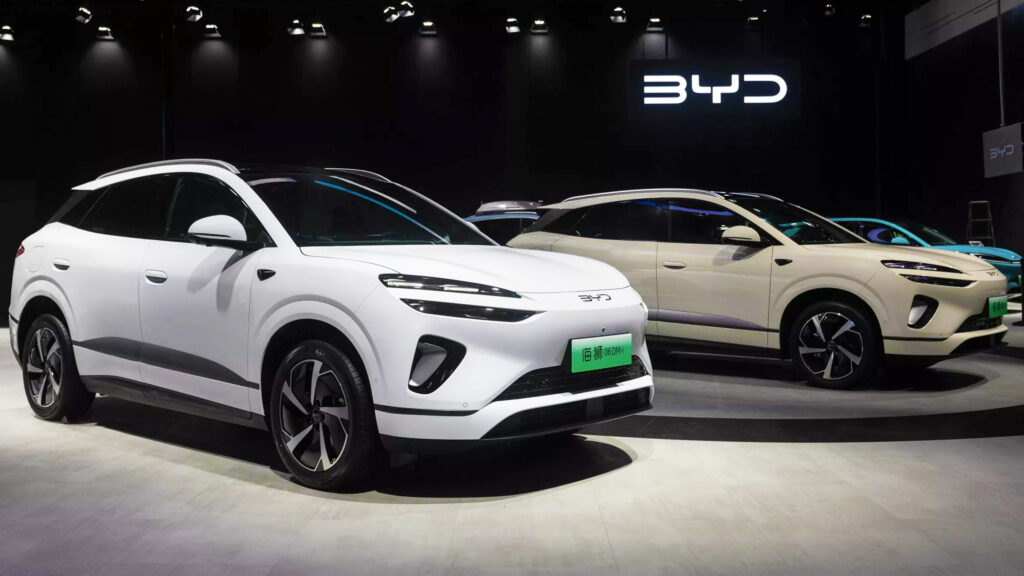
China’s auto market is experiencing its worst downturn since 2021
After a long period of extraordinary growth, China’s automobile market is facing serious difficulties. New car sales have plummeted this year, and 2026 looks set to be the worst year for China’s auto industry since 2021.
Sales decline: numbers and forecasts
Data from the China Passenger Car Association shows that passenger car deliveries in the first half of the year fell by 20.2% to 8.7 million units. The industry body expects a total of 20.4 million new cars to be sold this year, a decline of 14% compared to 2025, when dealers sold 23.7 million units.
This forecast could prove optimistic. Xiao Feng, Head of Hong Kong and China Industry Research at Citic CLSA, told CNBC that he expects total annual sales to fall by 20% compared to last year. He forecasts that sales of new energy vehicles, including plug-in hybrids and electric vehicles, will decline by about 5-6% this year.
The main reason for the downturn is internal combustion engine vehicles
Unsurprisingly, vehicles with internal combustion engines have the biggest impact on the overall sales decline. In fact, in June, sales of ICE vehicles fell by 39% year-on-year, accounting for 78% of the total market decline. This is largely linked to rising oil prices caused by the conflict in Iran.
The Chinese government has also reduced some support measures for electric vehicles. Lithium prices have risen, as have the prices of microchips, on which new and advanced electric vehicles are so heavily reliant.
Prospects for recovery
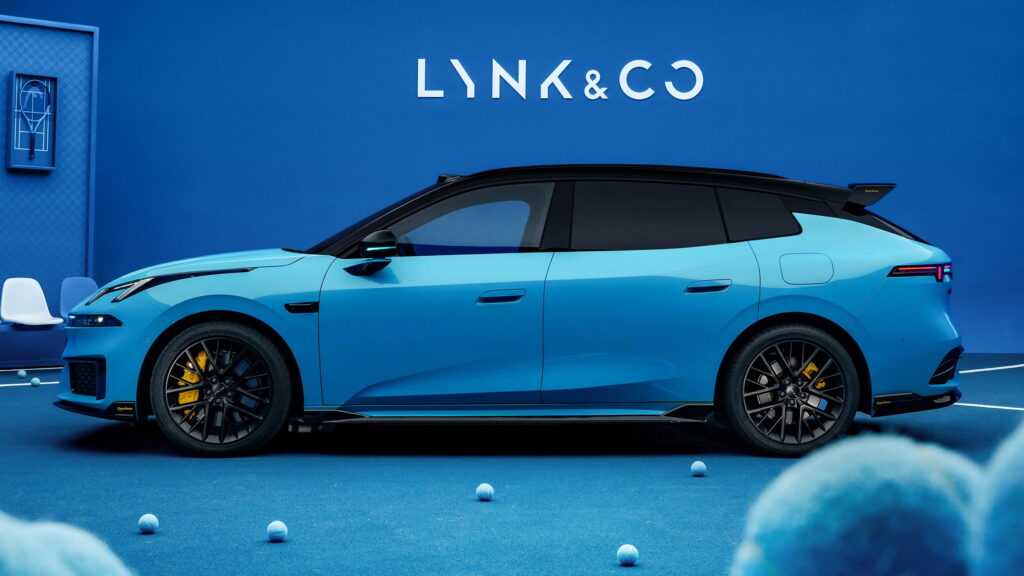

The situation could improve next year. Feng forecasts a significant recovery in consumer demand, bolstered by a surge in exports from Chinese automakers.
As the Chinese automobile market experiences its ups and downs, a period of significant consolidation is expected. Feng believes that by 2030, only seven to eight major electric vehicle manufacturers will remain in the country, and foreign brands will likely face serious difficulties in competing, which will probably force many of them to leave the country entirely.
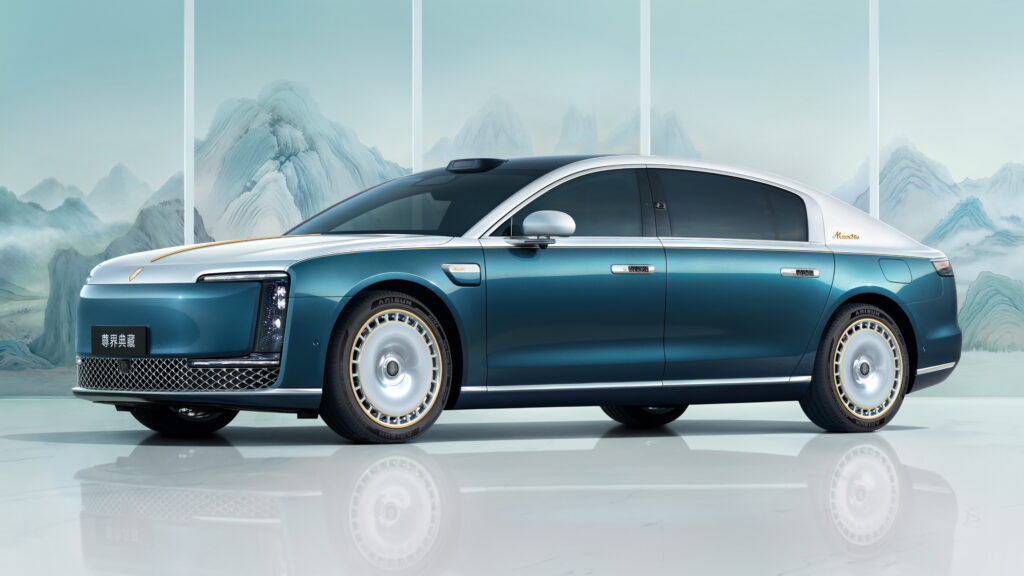

Interestingly, while the overall market downturn is driven primarily by traditional cars, the electric vehicle sector is also showing signs of slowing down. Rising raw material prices and reduced government subsidies are creating additional pressure on manufacturers. At the same time, the predicted market consolidation could lead to the emergence of a few strong players capable of competing on a global level, which could change the structure of the global automotive industry in the long term.