
 by
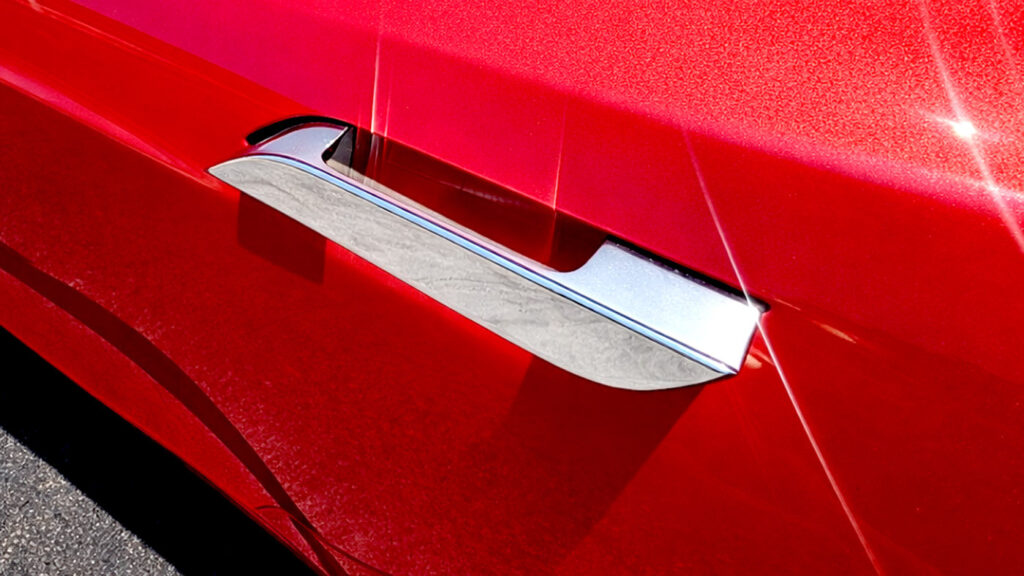
by The Chinese government has officially banned the use of concealed electronic door handles on electric vehicles. This design, first popularized by the Tesla Model S, has spread worldwide, but its safety has been called into question following a series of fatal accidents.
New Safety Regulations
Starting in 2027, manufacturers will be required to install mechanical door handles both outside and inside electric vehicles sold in China. The regulation takes effect on January 1, 2027, although models already approved and close to launch will be granted a grace period until January 2029 to achieve compliance.
Reasons for the Ban
The decision was made after a series of high-profile and fatal accidents where power failure was suspected of preventing door opening. The most notable were two Xiaomi electric car fires, after which reports emerged that passengers and rescuers were unable to open the electronically controlled doors in time.
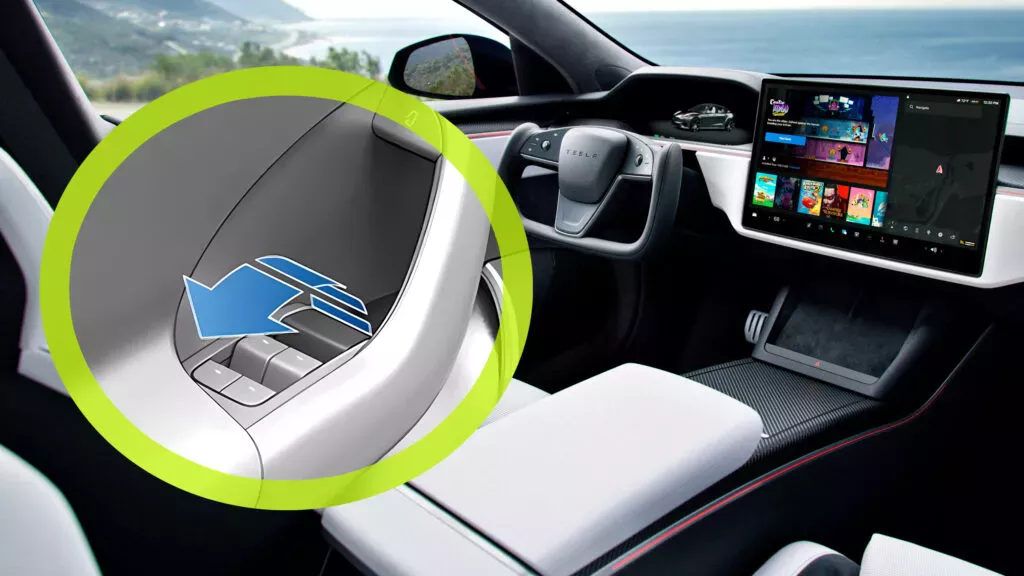
China’s new rules are extremely specific. External handles must have a recessed grip of at least 60 mm by 20 mm so rescuers can physically grab and pull them even after a crash. Inside, manufacturers must clearly mark door opening mechanisms with visible signs showing how to open the door in an emergency.
Scale of Impact
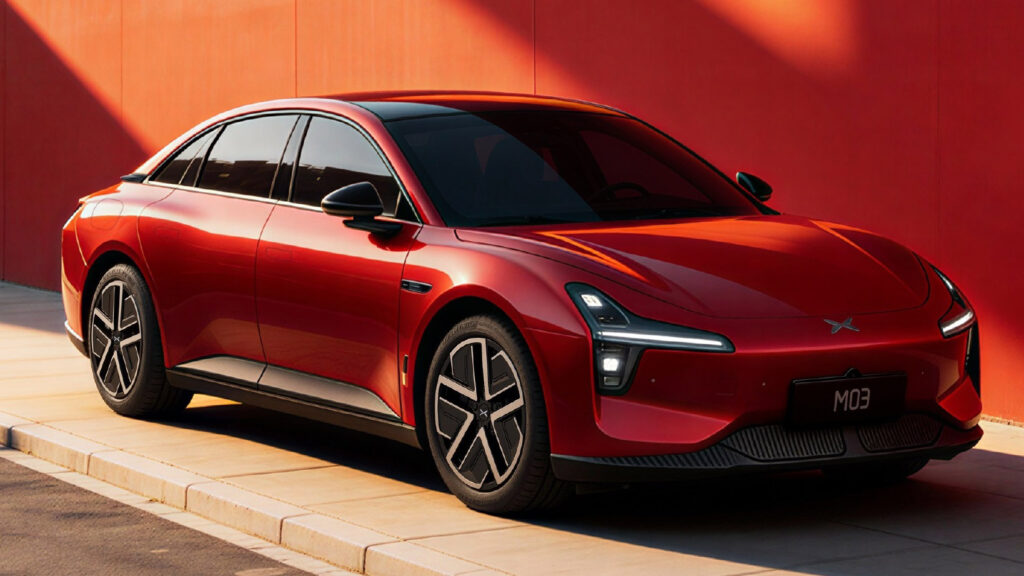
This is a significant change. As of April, approximately 60 percent of the 100 best-selling new energy vehicles in China used concealed door handles, especially on expensive luxury models. The list of affected cars includes the Tesla Model 3 and Model Y, the upcoming BMW iX3 for the Chinese market, as well as models from Nio, Li Auto, Xpeng, and Xiaomi.
Some automakers have already anticipated this development. Recent models from Geely and BYD have quietly returned to traditional visible handles. Tesla’s head of design stated months ago, when the Chinese ban was first proposed, that the brand was already working on a solution.
However, the redesign process can be expensive. A source familiar with EV development in China reported that adapting existing door systems to comply with the new standards could cost over 100 million yuan per model, or about $14.4 million.
Global Implications
This ban is likely to change the way automakers worldwide design handles. To avoid manufacturing separate equipment for different regions, automakers are more likely to simply switch to a unified, compliant handle design for all markets. Standardizing the approach could reduce costs and simplify development.
Why Only Electric Vehicles?
Interestingly, there is one major caveat in this situation. The ban in China does not apply to non-electric cars. In other words, what the state considers dangerous door handles may continue to be used on other vehicles that also require a battery to operate.
This is notable because most electric vehicles use a 12-volt battery to power their electric door locks and handles. In other words, they are not very different in basic function from an internal combustion engine vehicle. Despite this, vehicles with internal combustion engines may continue to have these “dangerous” handles under the new law.
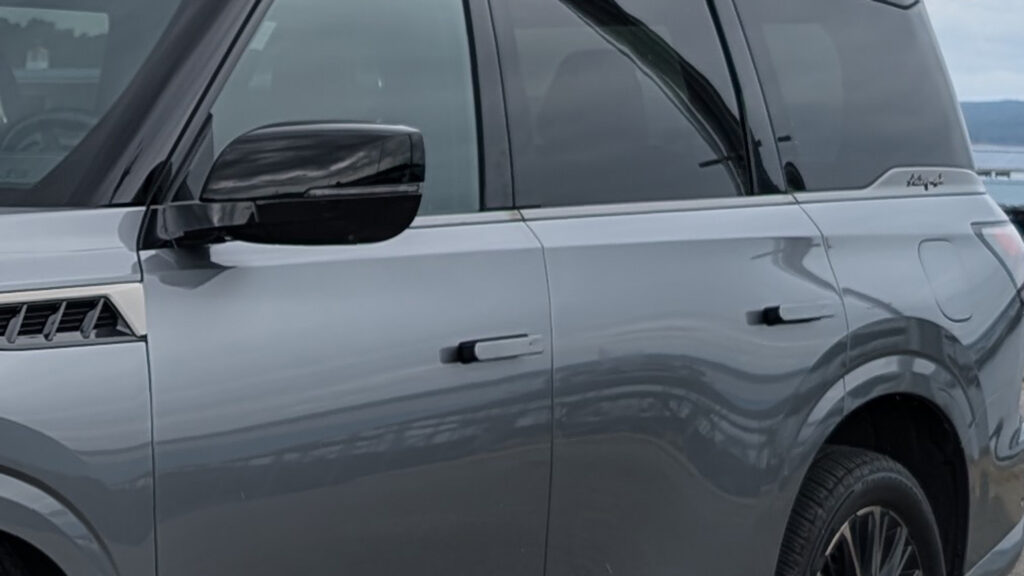
Some already use similar systems. For example, the Infiniti QX80 has pop-out door handles that rely on electricity to appear. If the battery were dead or damaged in a serious accident, these handles could theoretically fail just like the EV designs China is now banning.
The End of the Concealed Handle Era?
Nevertheless, the precedent matters. By drawing a clear line against door access reliant solely on electricity, China may ultimately halt the further spread of this design trend in the industry. And if regulators in Europe or the US follow suit, the rules could later be extended to all passenger cars, regardless of what’s under the hood.
In fact, early signs suggest this may already be happening. Tesla is now facing an official investigation into its door systems in the United States, and European regulators have begun exploring their own restrictions.
This decision by Chinese regulators could be a turning point for the automotive industry, forcing a reevaluation of priorities between aesthetics and unequivocal safety. Although the ban is currently limited to electric vehicles, it points to a global trend toward a more conservative and reliable approach to automotive design, especially in critical systems. The focus on guaranteed mechanical access, independent of the state of electrical systems, may later spread to other aspects of car manufacturing where excessive automation potentially threatens lives. China’s market weight makes its standards de facto global for many manufacturers, so the repercussions of this ban will be felt by drivers worldwide, even if their national legislators do not take similar measures.