


Chinese heavy electric vehicles destroy roads, and drivers don’t pay for repairs
Electric vehicles are rapidly filling Chinese roads, replacing millions of internal combustion engine cars and reducing harmful emissions. However, this also has a downside. With the increase in the number of large and heavy electric cars, roads are suffering serious damage, and authorities are struggling to figure out how to finance repairs.
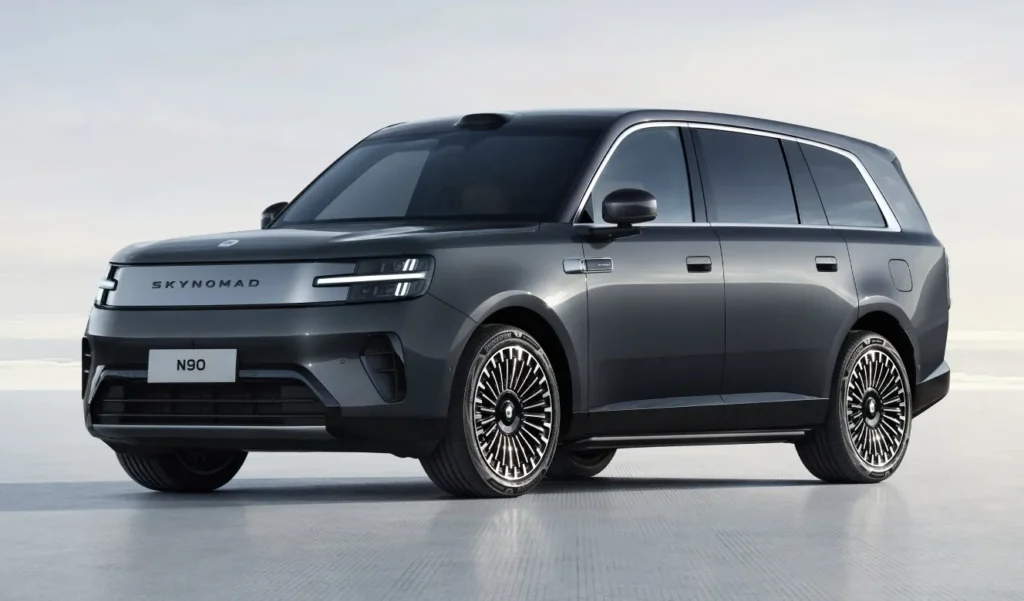
According to the China Passenger Car Association, 60% of new cars introduced in the country in the first half of this year are over 5 meters long. This is because more and more local manufacturers are creating large and luxurious SUVs and minivans to meet growing demand.
Some of these oversized models weigh up to three tons, which causes damage to the road surface. For comparison, only 2% of new models are less than 4.5 meters long, while a year ago this figure was 13%. This shows how quickly buyers have abandoned smaller cars.
How to finance roads in the era of electric vehicles
Typically, the government finances the repair of highways and roads through a fuel tax. However, revenue from this tax has begun to decline. According to a Bloomberg report, the country faces a deficit of approximately 50% of the funds needed for road maintenance and repair each year. A study conducted by the scientific division of China’s Ministry of Transport showed that about 40% of local roads need repair but lack funding due to limited budgets. The annual deficit is estimated at 300 billion yuan (approximately 44 billion dollars).
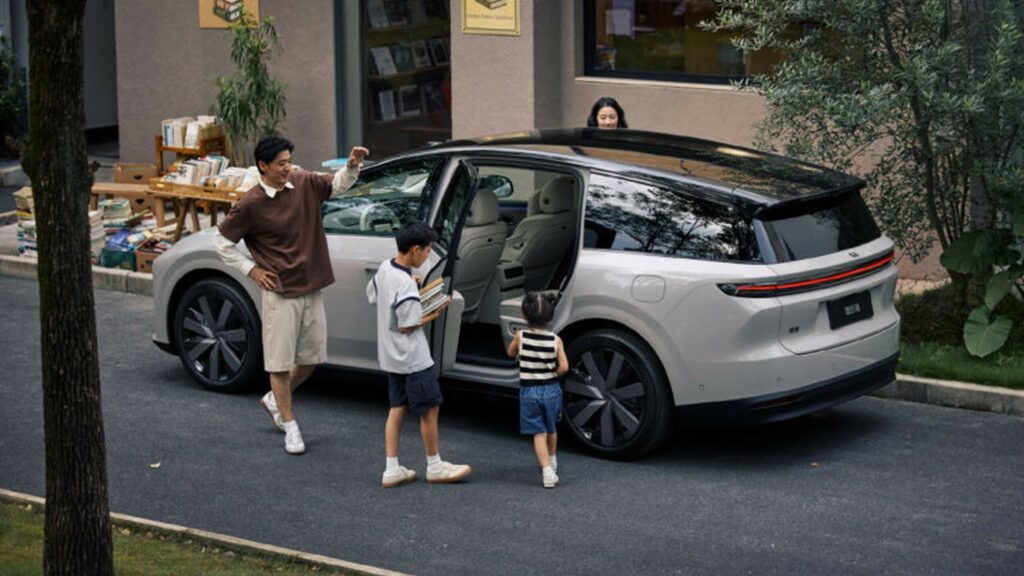

New ways to finance roads are being considered. One option is road usage fees based on mileage. The government has also begun to reduce tax incentives for electric vehicles, cutting the sales tax discount for new energy vehicles (NEVs) to 5%, with a maximum discount of 15,000 yuan (approximately 2,250 dollars). Annual vehicle tax exemptions will be canceled for plug-in hybrids (PHEVs) and extended-range electric vehicles.
Other measures are being implemented. In Hainan Province, a pilot program is underway that uses satellite navigation to track specific vehicles. This could form the basis for a dynamic mileage tax that would vary depending on the class of the vehicle.
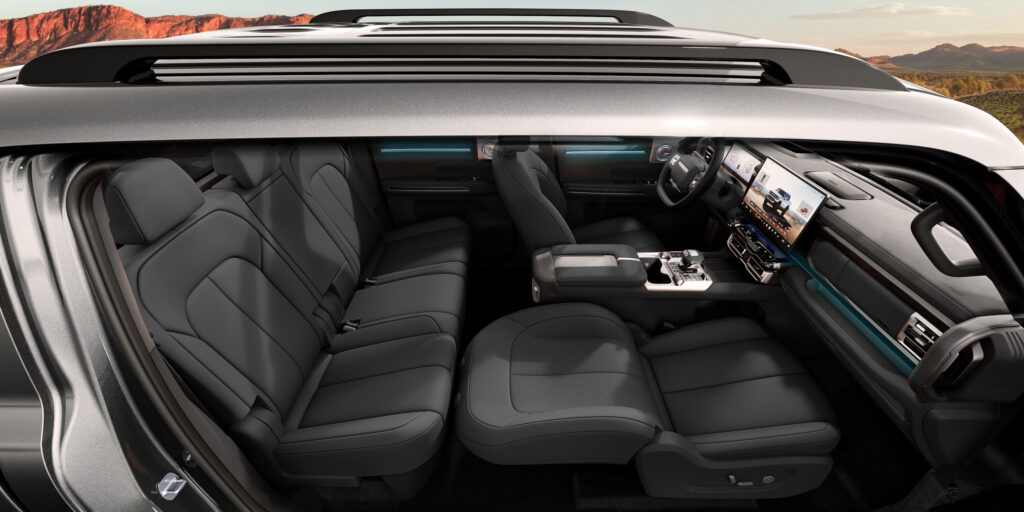

The government also wants automakers to curb their obsession with size. Mandatory energy consumption norms penalize overly heavy passenger cars, encouraging manufacturers to use lighter materials and improve aerodynamics, instead of installing ever-larger batteries to increase range.
Renmin Ribao, the official newspaper of the Communist Party of China, urged companies to “return to rationality,” noting that such large vehicles do not fit existing urban infrastructure and increase energy consumption. State television channel CCTV also criticized the industry’s growing focus on oversized electric vehicles, calling it a response to short-term market demand rather than true innovation.
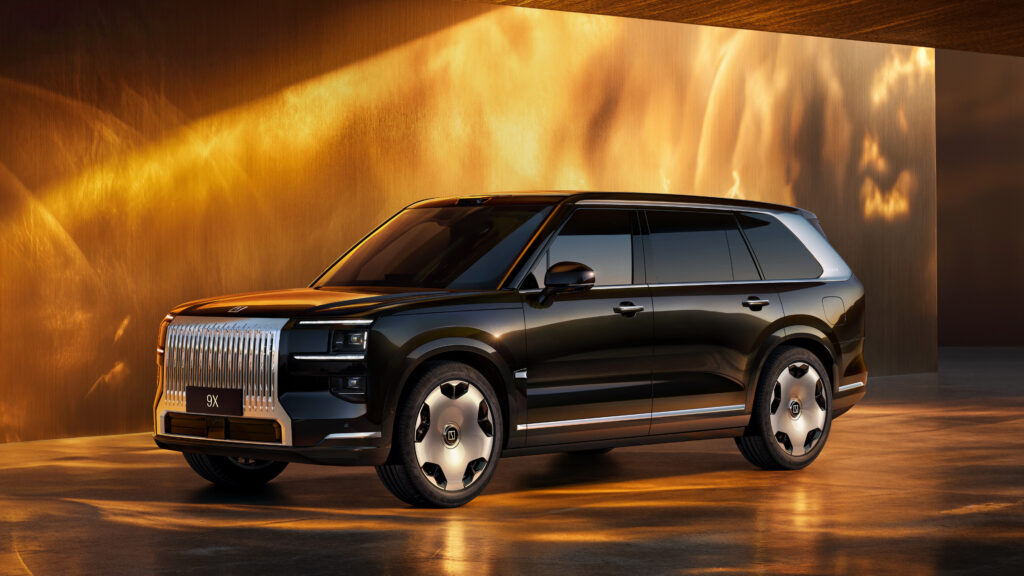
The situation in China is indicative for the whole world, where electric vehicles are becoming increasingly popular. On one hand, they reduce air pollution, but on the other, they create new challenges for infrastructure. The weight of modern electric vehicles, especially large SUVs, significantly exceeds that of traditional cars, which accelerates the wear and tear of road surfaces. The decline in fuel tax revenue forces governments to seek alternative sources of funding, such as mileage fees or increased taxes on electric vehicles. Furthermore, the Chinese government is trying to influence automakers, urging them not to chase size, but to focus on efficiency and the use of lighter materials. This could lead to changes in the design of future electric vehicles, making them lighter and more economical, which in turn will reduce the burden on roads and promote more sustainable transportation development.