 by
by Tesla’s sales statistics for 2025 show a significant decline. The company has lost its leadership in the global electric vehicle market. Here are the key points:
Sales Drop in the Fourth Quarter
According to the company, in the fourth quarter of 2025, Tesla delivered 418,227 vehicles to customers. This is 15.6% less than in the same period of 2024, when 495,570 vehicles were delivered.
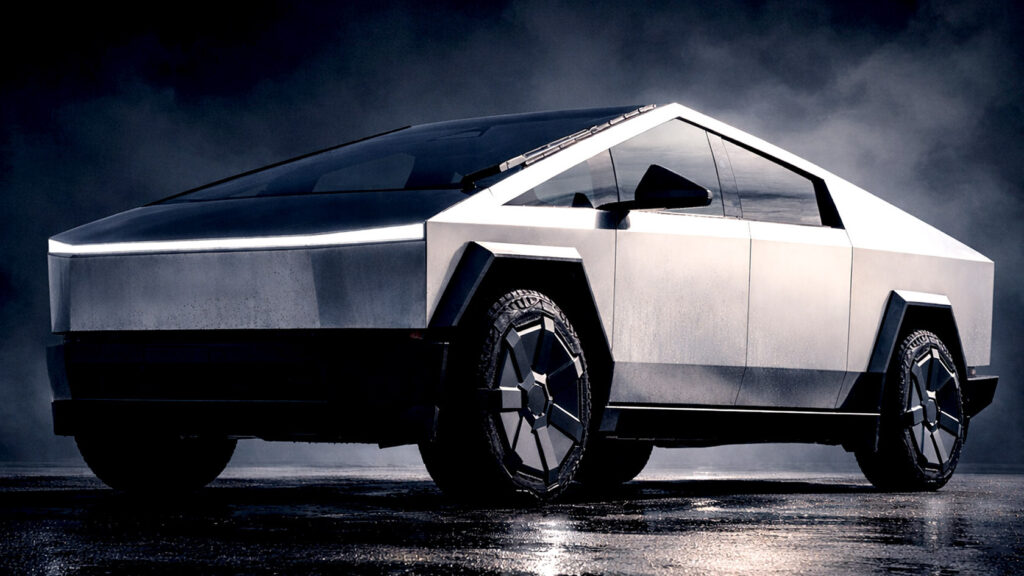
The failure in the “Other Models” category, which includes Model S, Model X, and Cybertruck, is particularly striking. Sales of these cars fell from 23,640 to 11,642 units, representing a decrease of 50.8%. These figures indicate that the innovative Cybertruck pickup continues to show unsatisfactory results in the market.
Sales of “Other Models” – including Model S, X, and Cybertruck – plummeted from 23,640 to 11,642. This is a 50.8% drop, and it shows that the company’s wedge-shaped pickup continues to be a failure.
Full-Year 2025 Results
For the full year 2025, Tesla delivered 1,636,129 vehicles. Compared to 1,789,226 vehicles in 2024, this represents an overall decline of 8.6%.
The fourth-quarter results turned out worse than the company’s initial forecasts, which expected 422,850 vehicle deliveries. This also caused the total annual sales volume to fall short of expected figures.
Forecasts for “Other Models” proved particularly inaccurate. It was expected that 34,848 units would be sold in the fourth quarter, but the reality was only 11,642. Thus, the forecasts were off by almost 300%.
Tesla Sales: Detailed Statistics
Fourth Quarter 2025:
Model 3/Y: Production – 422,652, Deliveries – 406,585
Other Models: Production – 11,706, Deliveries – 11,642
Total: Production – 434,358, Deliveries – 418,227
2025 Year-End Totals:
Model 3/Y: Production – 1,600,767, Deliveries – 1,585,279
Other Models: Production – 53,900, Deliveries – 50,850
Total: Production – 1,654,667, Deliveries – 1,636,129
A Silver Lining: Energy Products
Despite problems in the automotive sector, Tesla reported one positive point. In the fourth quarter, the company set a record by deploying energy storage systems with a total capacity of 14.2 GWh. This brought the total figure for 2025 to 46.7 GWh, which is a significant increase compared to 31.4 GWh in 2024.
Reasons for Tesla’s Problems
Although the company did not delve into details, the reasons for its problems are well known. The loud political statements and actions of CEO Elon Musk, including his work in the Trump administration and sharp reductions in federal personnel, alienated some customers. Additionally, Tesla faced increased competition and the cancellation of federal tax incentives for electric vehicles, which also negatively impacted sales of other manufacturers, such as Rivian.

New Market Leader: BYD
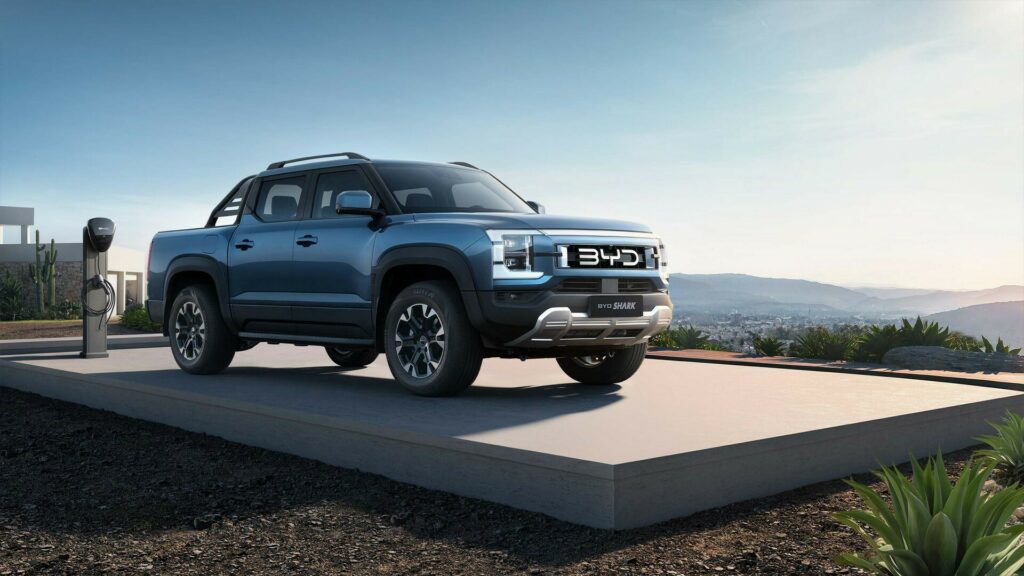
Tesla’s unsatisfactory results mean the company is no longer the world’s best-selling electric vehicle brand. As reported, the Chinese company BYD sold 2,256,714 electric vehicles in 2025, surpassing Tesla by 620,585 units.
This change in leadership did not come as a complete surprise, as Tesla barely held onto the title in 2024. At that time, the American company’s sales were 1,789,226 units, only slightly more than BYD’s 1,777,965 cars.
BYD sold 2,256,714 electric vehicles last year, putting them 620,585 units ahead of Tesla.
It is worth noting that BYD’s total sales volume in 2025, including hybrid cars and buses, amounted to 4,537,356 units.
Tesla’s loss of leadership symbolizes an important milestone in the evolution of the global electric vehicle market. BYD’s success highlights the strength of Chinese manufacturers, who are capable of not only competing but also dominating thanks to a broad model range covering various price segments, from urban compact cars to SUVs. It also indicates that innovations in design and technology, as in the case of the Cybertruck, do not always guarantee commercial success if they do not align with mass preferences and the practical needs of buyers. Tesla’s future will likely depend on its ability to adapt to this new, more competitive environment, where flexibility and customer focus hold the advantage.