


Chinese Giant BYD Explores Possibility of Entering Formula 1
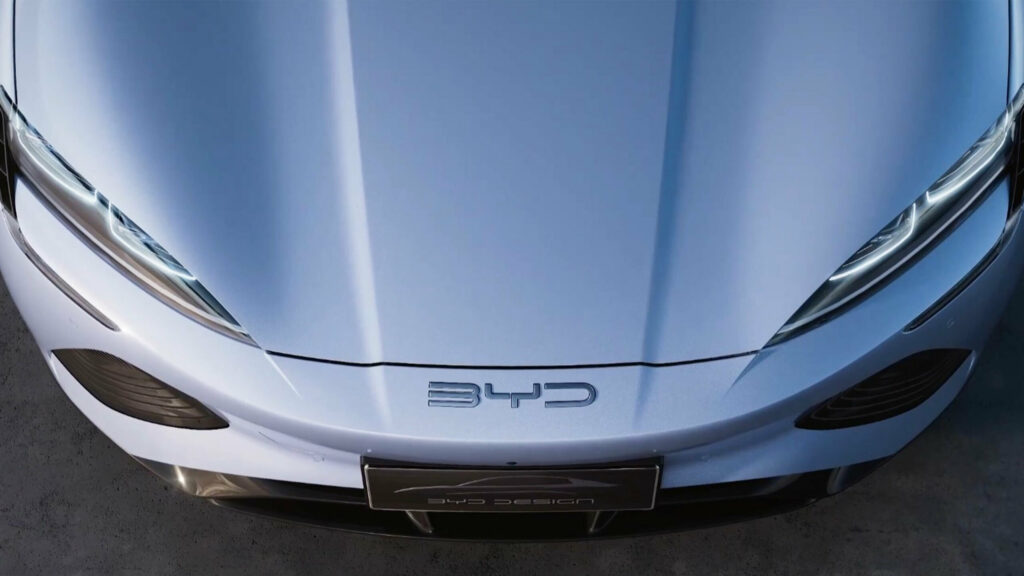
Formula 1 is currently experiencing a peak in popularity, attracting the world’s largest automakers. Chinese company BYD, which is the largest car manufacturer in China and a global leader in electric vehicle production, may join their ranks. The company’s interest is partly linked to the growing role of the electrical component in the championship’s modern power units.
Key points known so far:
Significant changes have already occurred in the sport this year: Ford returned through a deal with Red Bull Racing, Audi launched a full-fledged factory team, GM entered with Cadillac, and Toyota Gazoo Racing partnered with Haas. According to Bloomberg, BYD is considering various forms of motorsport for entry, including the World Endurance Championship and Formula 1 itself. Sources claim the Chinese company could do this by creating its own team or acquiring an existing one.

How Could Entry into Formula 1 Happen?
Creating a completely new F1 team would be an extremely difficult task for BYD. For example, it took the Andretti team years to convince the sport’s stakeholders of their case, and only by transferring leadership to the parent company and involving General Motors as a partner did they succeed.
A simpler option for BYD would be to purchase an existing team. This is how Audi managed to enter the sport this year, acquiring 100% of the Sauber F1 team in a deal valued at approximately 600 million euros. BYD could do the same with another team, such as Alpine, which is actively seeking investors. However, the company also needs to be prepared to spend over 500 million dollars per season to maintain a team.
FIA President Mohammed Ben Sulayem expressed openness to a Chinese company entering the sport. At the beginning of last year, he stated that after the participation of the USA through the Cadillac and Haas teams, “the next step should be to welcome a Chinese manufacturer.”
If BYD enters the sport, it will undoubtedly view it as a vital marketing tool for growing its global presence.
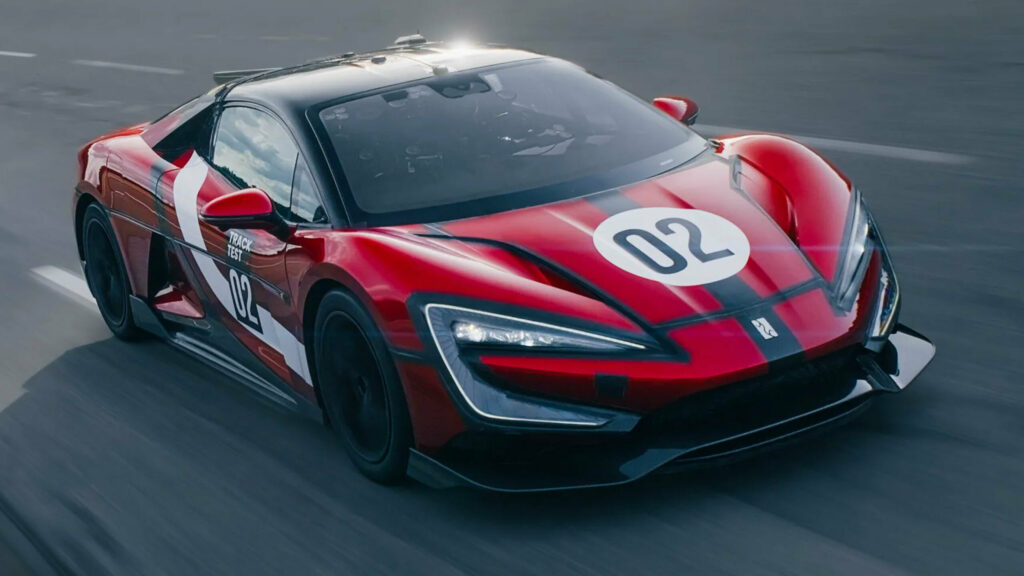
A potential entry of BYD into Formula 1 would be a logical continuation of the overall trend of electrification and globalization of the championship. It could also pave the way for other Chinese technology companies into top-level sport. Success in such a project would largely depend on a strategic approach: whether the company can effectively integrate into the complex F1 ecosystem, where technological innovation is inextricably linked to commercial and sporting results. BYD’s financial capabilities are not in doubt, however, motorsport requires not only investment but also deep knowledge, experience, and the formation of a powerful team of specialists.