 by
by In 2025, a landmark shift in sales leadership occurred in the Chinese market. The top 3 most popular cars in the country look like this:
New Market Leader
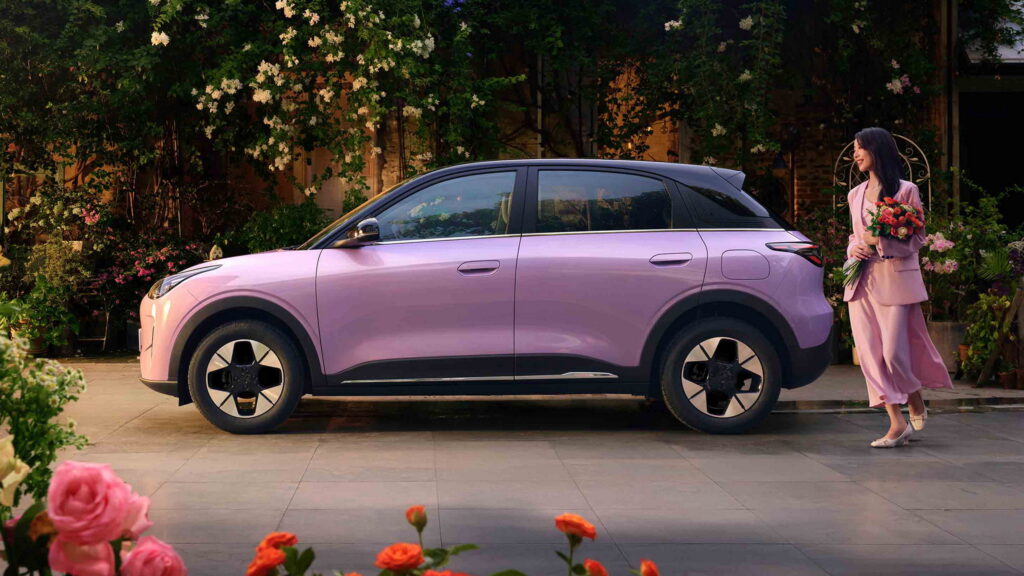
A new electric subcompact model quietly revolutionized the highly competitive Chinese auto market, topping the ranking without support from giants like Tesla or BYD. The fully electric Geely Galaxy Xingyuan hatchback officially became the country’s best-selling car in 2025, registering 465,775 units and ending the two-year reign of the Tesla Model Y.
Known in export markets as the Geely EX2, the Galaxy Xingyuan was launched in 2024. It is 4,135 mm long, placing it in the subcompact class where it competes with popular models like the BYD Dolphin, Wuling Bingo, and Aion UT.
The model combines simple, affordable design with a well-equipped interior and a competitive price, which in China ranges from 65,800 to 95,800 yuan.
Second Place for a Joint Venture
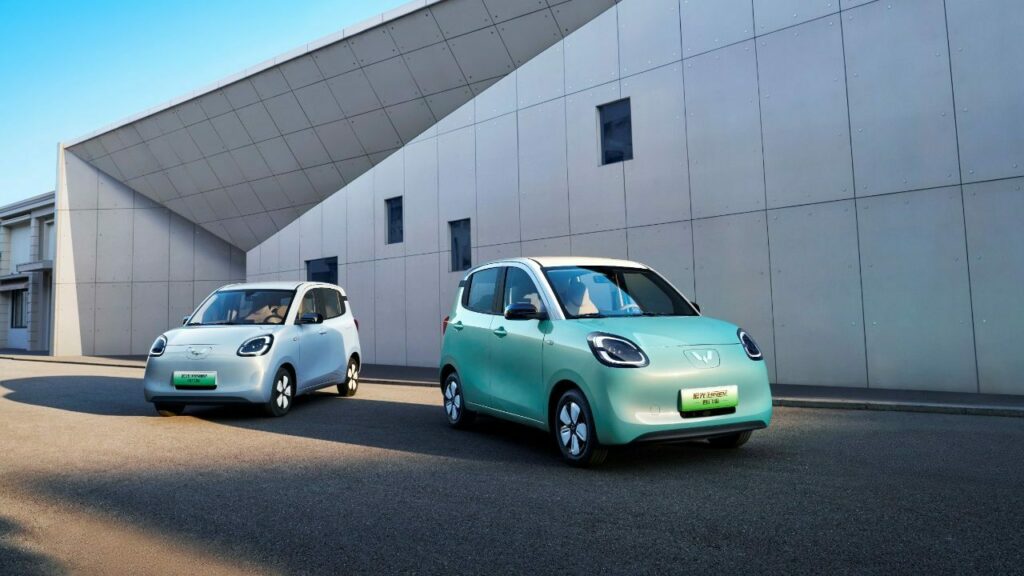
The second best-selling car in China in 2025 was the compact Wuling Hongguang Mini EV, repeating the success of its predecessor in 2021 and 2022. The tiny electric hatchback from the SAIC-GM-Wuling joint venture entered a new generation last year, receiving a more dynamic design and a new five-door version. These updates clearly appealed to buyers, helping the model achieve 435,599 units sold, which is 82 percent more than in 2024.
Fall of the Former Champion
The Tesla Model Y, which held first place in 2023 and 2024, dropped to third place in 2025. It still demonstrated high figures – 425,337 units sold – but this is 11.5 percent less than the year before, despite the launch of a significantly updated version at the beginning of the year.
In fourth place was the BYD Qin Plus sedan with 387,315 units sold. Available as both a fully electric model and a plug-in hybrid, the Qin Plus previously held second place in 2023 and 2024 but lost ground this year.
The Nissan Sylphy sedan, known in the US as the Sentra, was China’s best-selling model from 2020 to 2022, before Tesla took the lead. Now, having dropped to fifth place with approximately 320,000 sales, it still holds the status of the country’s most popular car without an electric powertrain. A recent model update could give it a boost next year.
Another notable model in China’s top ten leaders in 2025 was the Xiaomi SU7 sedan, which took eighth place with 258,164 units sold. The Chinese newcomer made waves by surpassing its direct competitor, the Tesla Model 3, which dropped to eleventh place with 200,361 sales.
Dominance of Local Brands
According to data from the China Passenger Car Association (CPCA), BYD maintained its lead as the largest manufacturer in China by total volume, selling 3,484,525 cars in 2025. Geely took second place with 2,605,565 units, representing an impressive growth of 47% compared to the previous year.
Chinese brands as a whole captured 65 percent of the domestic market, while many foreign automakers that once dominated are struggling to hold on. FAW-Volkswagen took third place with 1,531,276 sales, but the Toyota and Honda joint ventures have already fallen out of the top five.
The success of models like the Geely Galaxy Xingyuan, which even surpassed the iconic Tesla Model Y, vividly illustrates the dynamics of the Chinese market. Buyers are increasingly turning to affordable yet well-equipped electric models from local manufacturers that offer excellent value for money. The growth of the Chinese brands’ share to 65% indicates not only a shift in consumer preferences but also the rapid technological progress of the local automotive industry. This trend is likely to intensify, creating serious challenges for traditional international auto giants in the world’s largest car market.