


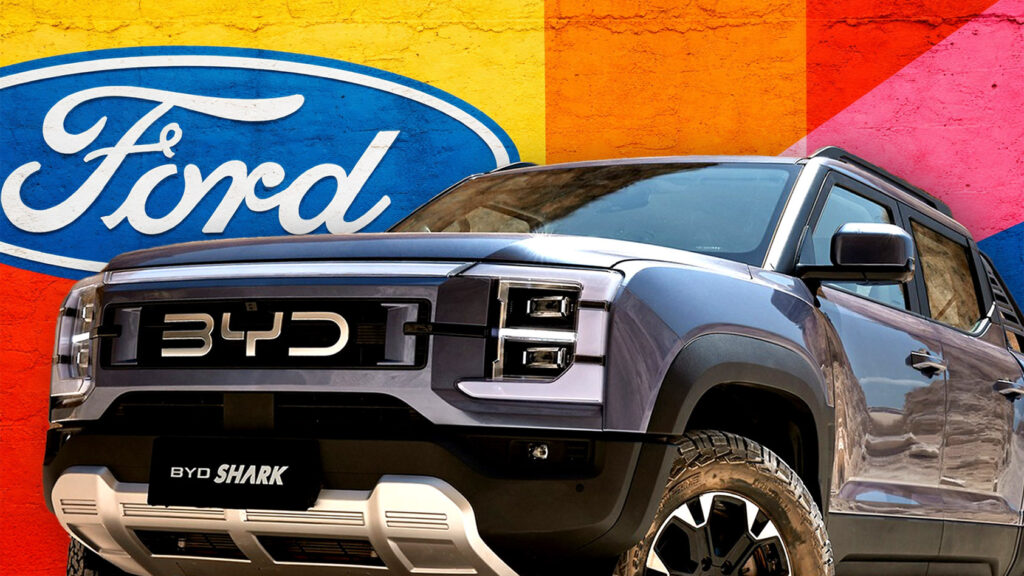
Ford May Start Using Batteries from Chinese Giant BYD
Despite cutting investments in electric vehicles, Ford is not abandoning electrification altogether. The company is exploring new paths, and one of them may lead through China. According to reports, the American automaker is in early-stage negotiations with the Chinese company BYD, which recently surpassed Tesla in electric vehicle production volume, regarding the supply of battery packs for its future hybrid models.
Reportedly, the idea of importing BYD batteries for use at Ford plants outside the United States is being discussed. However, a deal is far from finalized and may not happen. In response to press inquiries, Ford neither confirmed nor denied the potential partnership, stating only that the company is in talks with many companies on various topics.
Ford’s Strategic Shift and BYD’s Global Expansion
These negotiations are taking place against the backdrop of significant changes in Ford’s strategy. The company recently wrote off $19.5 billion due to scaling back a number of electric vehicle projects, including high-profile battery manufacturing joint ventures with South Korean companies SK On and LG Energy Solution. While increasing focus on internal combustion engine models, Ford plans to expand its hybrid lineup — an area where BYD has already achieved significant success.
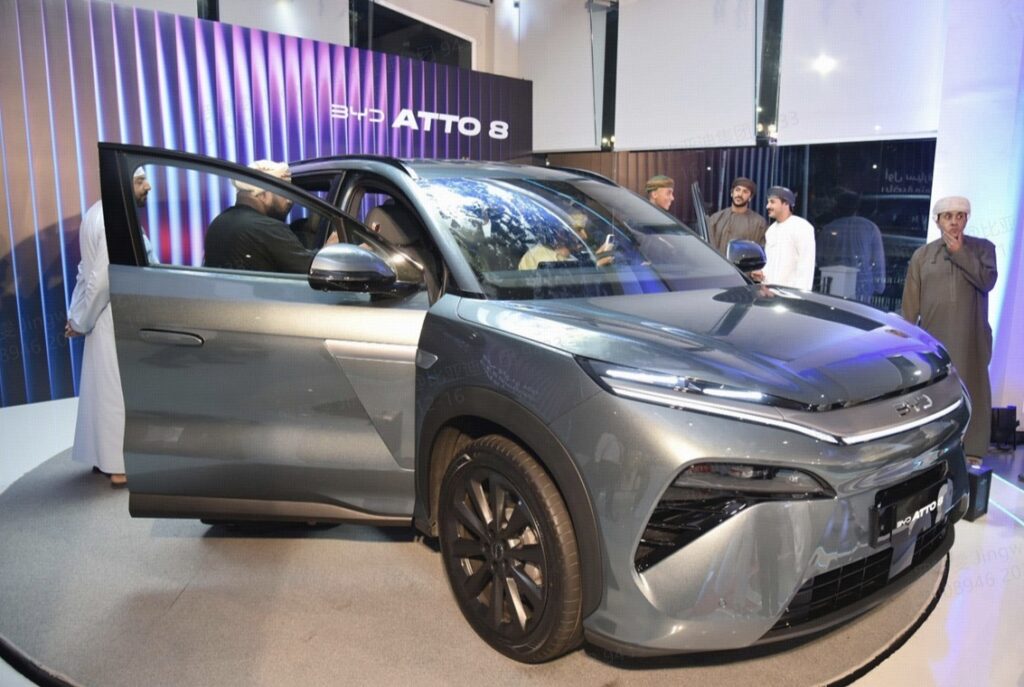

The Chinese company BYD, primarily known as a battery manufacturer, is actively expanding its global presence by building production facilities in Brazil, Europe, and Southeast Asia. Instead of building new plants or reviving frozen partnerships, Ford could simply purchase ready-made batteries, thereby optimizing its supply chain. This aligns with the company’s goal for hybrids, plug-in hybrids, and electric vehicles to account for half of its global sales by 2030.
Political Risks and Washington’s Reaction
Any potential deal between Ford and BYD could provoke a sharp reaction from the American administration. Following the initial reports of negotiations, senior trade advisor Peter Navarro sharply criticized the plan.
“So, Ford wants to simultaneously support the supply chain of a Chinese competitor and make itself more vulnerable to blackmail from that same chain? What could possibly go wrong?”
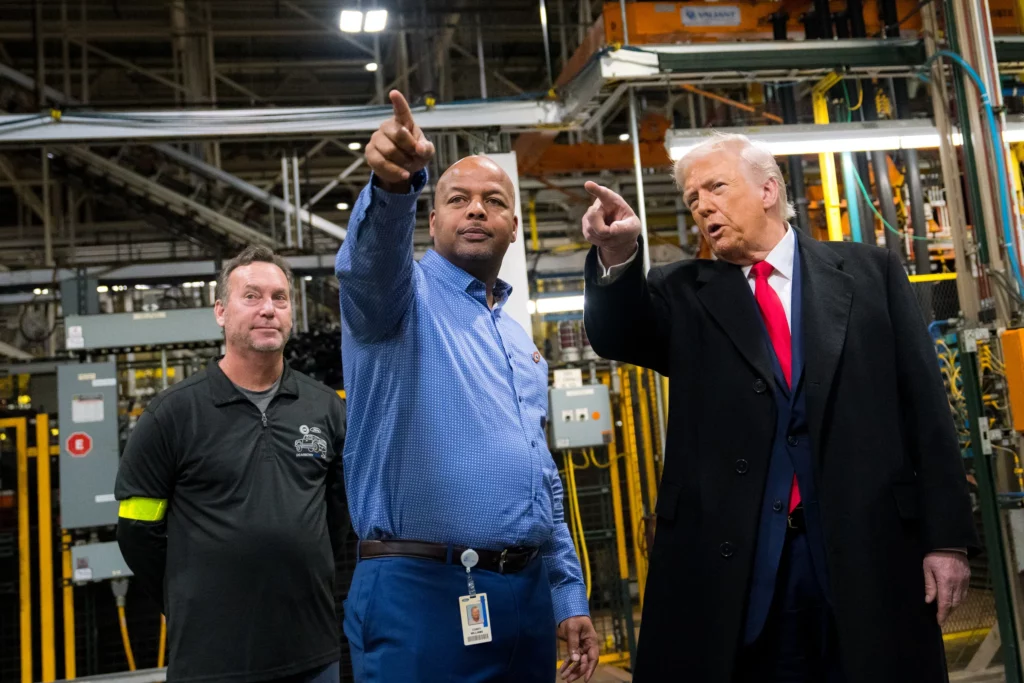

President Donald Trump expressed a different position. He stated that he welcomes the construction of plants by foreign companies, including Chinese and Japanese, on US soil, provided they hire American workers.
“You know, these tariffs are holding back foreign automakers. But if they want to come and build a plant, hire you, your friends, and neighbors — that’s great. I love that. Let China come in. Let Japan come in. They do it. They will build plants, but they will use our workforce.”
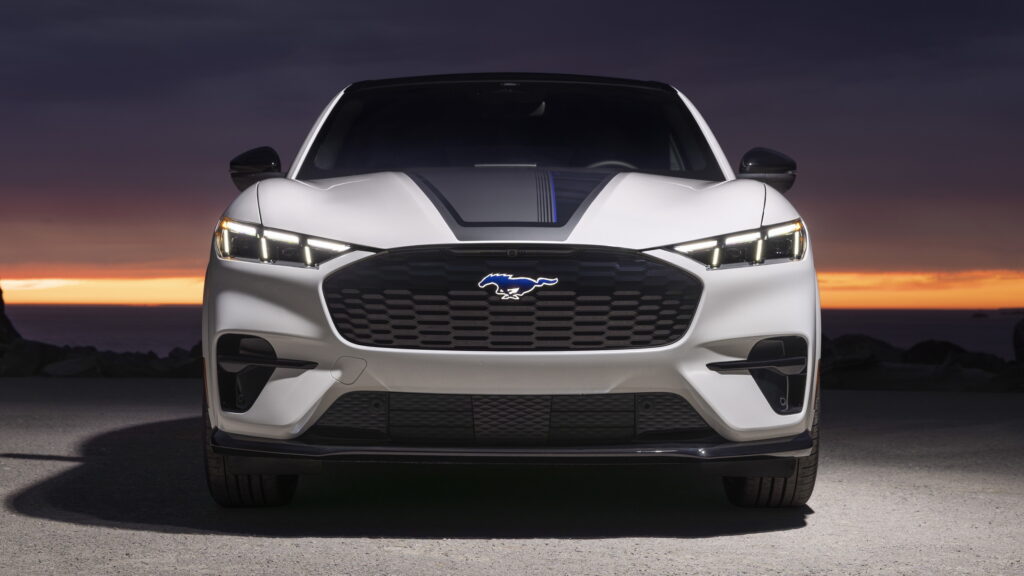

These negotiations illustrate the complex dynamics of the modern automotive industry, where technological needs and economic efficiency often clash with geopolitical constraints. For Ford, a partnership with BYD could be a way to quickly gain access to advanced and likely more affordable battery technologies for its hybrid strategy, while avoiding large capital expenditures. However, the political climate in the US regarding Chinese technology remains uncertain, which could become a serious obstacle to realizing any deal, especially if it involves supplies for the American market. The success or failure of these negotiations could become a telling example of how global automakers will attempt to balance innovation, cost, and political pressure in the coming years.