


The Unknown Chinese Leader
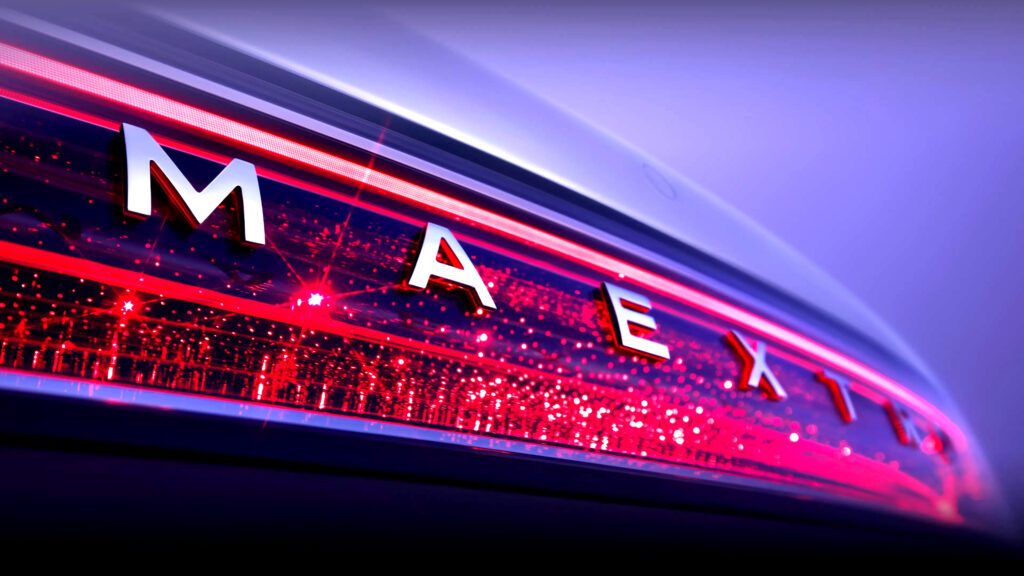
Most people outside China have probably never heard of the Maextro S800. Yet, this large Chinese luxury sedan has begun selling better than very familiar names. In recent months, it has sold more units than the Porsche Panamera, BMW 7 Series, and Mercedes-Maybach S-Class combined in the Chinese market.
Foreign automakers are trying their hardest to compete with local brands in the Chinese market, and Porsche is no exception. The German sports car brand is going through a troubled phase, experiencing one of its biggest sales declines both in China and globally.
The number of deliveries in China fell by approximately 26 percent last year. Across all regions in 2025, Porsche delivered approximately 279,449 cars to customers worldwide. This is 10 percent lower than the year before.
Changing Preferences of Chinese Buyers
For years, China was the most important growth engine for Porsche. Wealthy buyers were attracted by the brand’s reputation for performance and status. This dynamic has changed with the emergence of a new generation of consumers who are more aware of the advantages of electric vehicles and the idea of electric propulsion.
Combine this with Chinese automakers’ unique understanding of how to meet the needs of the domestic consumer market, as well as their ability to consistently beat Western offerings on price and performance, and it becomes clear why cars like the S800 are doing so well in a segment that once belonged to the best German brands.
The speed at which Chinese automakers have been able to establish themselves in the luxury car market is simply alarming. Their model lineups compete directly with long-established luxury brands across Europe and, in most cases, offer the high-tech digital and battery technologies that buyers seek.
For consumers, especially younger ones, local EV manufacturers are seen as a symbol of innovation, not a compromise.
Strong Local Offerings
Brands like Huawei’s Maextro, Xiaomi, and BYD have gained market share in the luxury EV segment. The S800, for example, starts at an equivalent price of $103,000, which is about 40 percent cheaper than the Panamera.
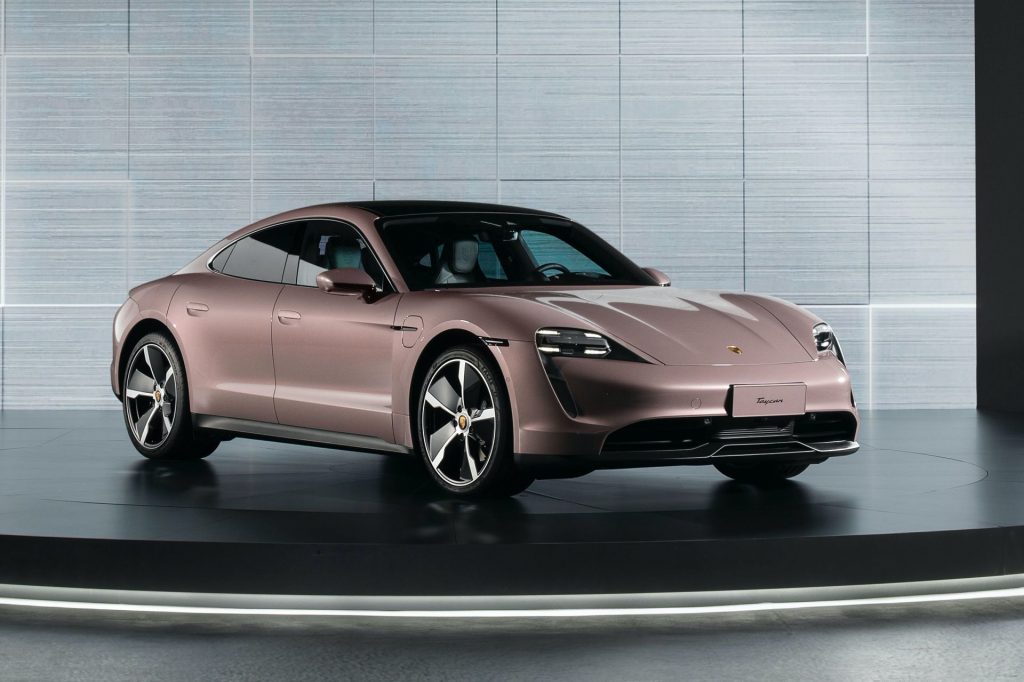
The Xiaomi SU7 electric car not only accelerates to 100 km/h faster than the fully electric Taycan (2.1 seconds vs. 2.7 seconds) but also has a higher top speed (350 km/h vs. 270 km/h) and offers almost double the power and torque. And all this for one-third the price of a Porsche.
With a wide product range and a high level of consumer loyalty within the country, such companies have begun attracting customers who, not so long ago, considered only cars with a foreign badge worthy of attention.
For Porsche, this shift is a complex challenge. Prestige alone is no longer enough to ensure success. It is reported that Porsche is not only reducing its dealer network but also halting the development of its own EV charging station network.


Course Correction
Under the leadership of new CEO Michael Leiters, Porsche has begun reassessing its strategy. The company is betting on its traditional strengths, focusing on relatively high-margin sports cars and SUVs and accelerating work on full electrification. The idea is not to compete on price with local EV manufacturers but to strengthen what makes the brand unique.
Leiters informed investors that the company expects an improvement in margins, albeit a moderate one, this year. Difficult times have reduced Porsche’s operating profitability, and the company hopes that better cost control and a clear product strategy will stabilize results. The approach is characterized by cautious optimism, not quick promises of a return to former performance levels.

China Remains in the Plans
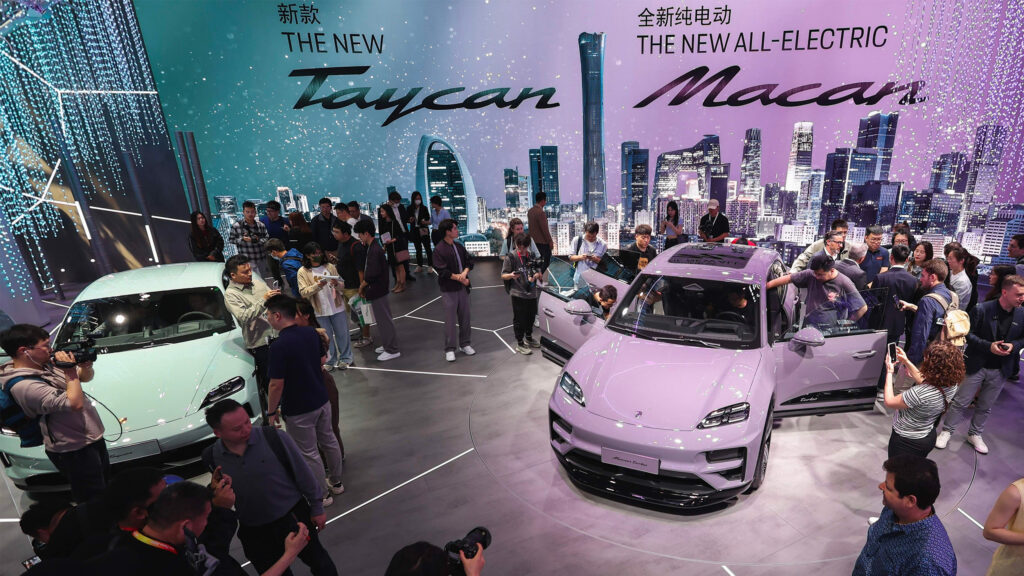
Despite scaling back its presence in China, Porsche is not yet ready to give up. Porsche China President Alexander Pollich stated that the needs of Chinese clients have fundamentally changed, and Porsche, as a niche brand and low-volume manufacturer, cannot change the economic environment or reverse the overall market trend. Instead, the company can genuinely reassess itself and strengthen key competencies.
Porsche will soon launch the fully electric Cayenne and will also introduce more gasoline and hybrid SUVs, including models developed specifically for China. To support these efforts, the company is creating a completely new development center in Shanghai, which will operate independently from Germany.
The first task will be to develop a new infotainment system that better meets the unique demands of Chinese buyers, likely with native integration of local apps that many owners use daily, instead of relying on global software developed in Germany. In a market evolving as rapidly as China’s, such local focus may prove no less important than performance or prestige.

The transformation of the Chinese auto market from a passive consumer of global brands into an active creator of its own, trend-setting ones is perhaps the most important automotive story of the last decade. The success of the Maextro S800 is just one of the brightest examples. The response of giants like Porsche, which combines cutting unnecessary costs with an attempt to understand the local market more deeply through local development, shows that the battle is only beginning. The future will show whether traditional brands have the flexibility and speed to adapt to a reality where technology and the speed of its implementation often prove more important than a century-long history.