


Electric Vehicle Sales in China Show Cooling
Demand for electric cars in China may be waning, and the country’s largest automakers are already feeling it. Prominent domestic brands such as BYD, Xpeng, and Xiaomi have reported noticeable sales declines in January.
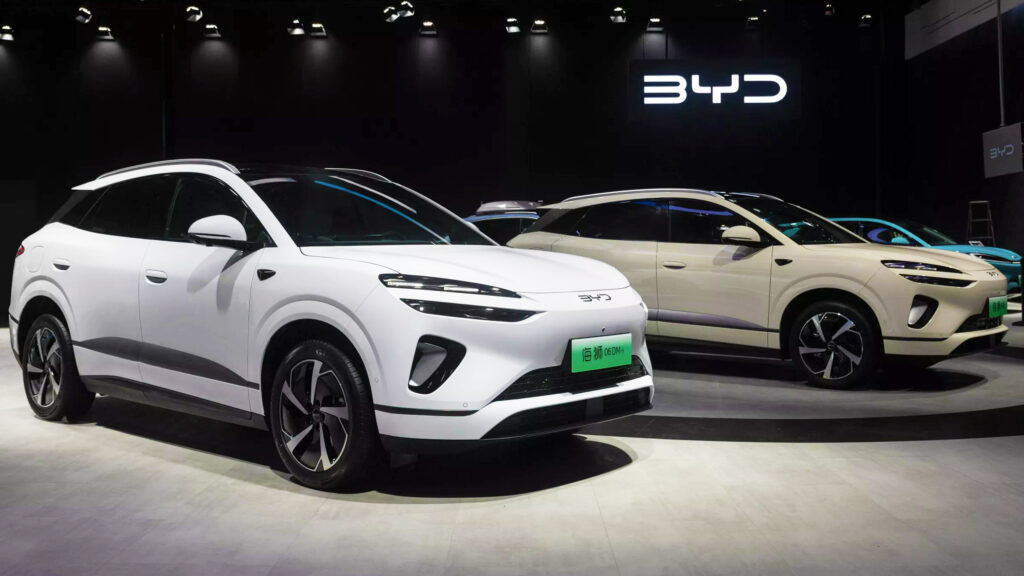
Data shows that BYD sold 205,518 cars in China last month. This figure alone looks solid, but it represents a sharp drop compared to the 300,538 cars the company sold in January 2025.
The impact was felt by both BYD’s fully electric models and plug-in hybrids. Of the 205,518 cars sold in January, 83,249 were EVs, and 122,269 were PHEVs. A year earlier, these figures were 125,377 and 171,069, respectively. Exports also shrank, falling to 100,482 units in January from 133,172 in December.
Are Government Decisions Slowing Sales?
These numbers may indicate weakening domestic demand and potential overproduction for foreign markets. However, a recent change in government policy likely played a certain role in the decline. Since January 1st, a 5% purchase tax on new energy vehicles has been reinstated in the country, whereas previously they had been exempt from the 10% tax for over a decade.
We see growing pressure on the Chinese auto market in 2026, caused by a combination of policy and competitive factors. Recent tax changes may prompt some consumers to postpone purchases, while automakers are holding back on launching new models.

We know EV sales will slow, we just don’t know by how much. We will get a much clearer picture after the first quarter ends.
A Tough Start for New Players
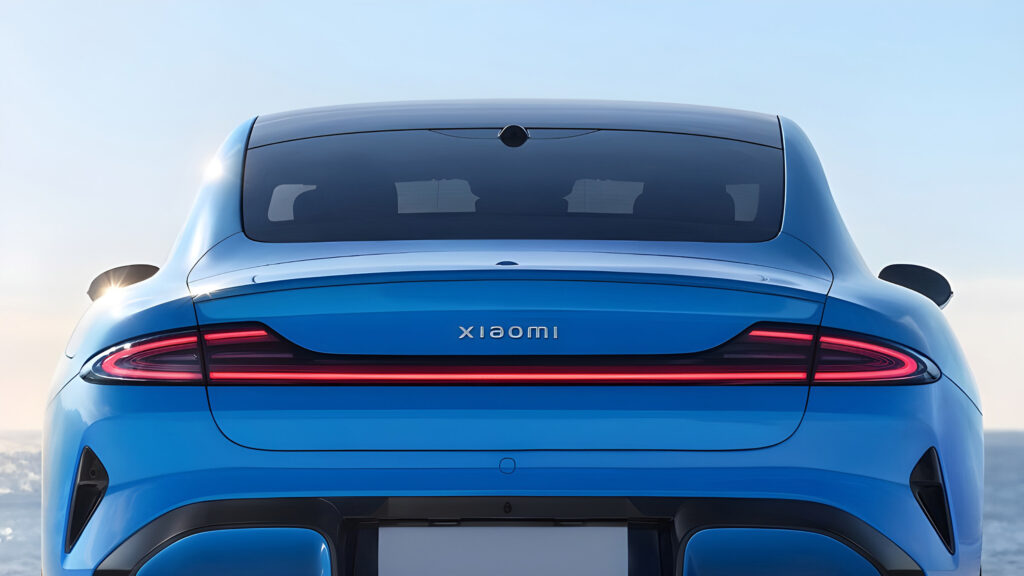
Xiaomi also faced difficulties at the start. In January, the company sold 39,000 cars, which is an improvement compared to the same period last year, but significantly less than the over 50,000 electric vehicles delivered in December. January was even more challenging for Xpeng. Sales fell 34.1% year-on-year, to 20,011 units, and the monthly drop was even sharper — down 46% compared to December 2025.
Li Auto’s figures also worsened, with deliveries falling to 27,668 units for the month.
Competitors Seize the Opportunity
However, the situation is not bad everywhere. One of the few bright spots was the Aito brand, a newer project running on Huawei’s operating system. In January, it reported over 40,000 vehicles delivered, meaning growth of more than 80% compared to the same month last year.


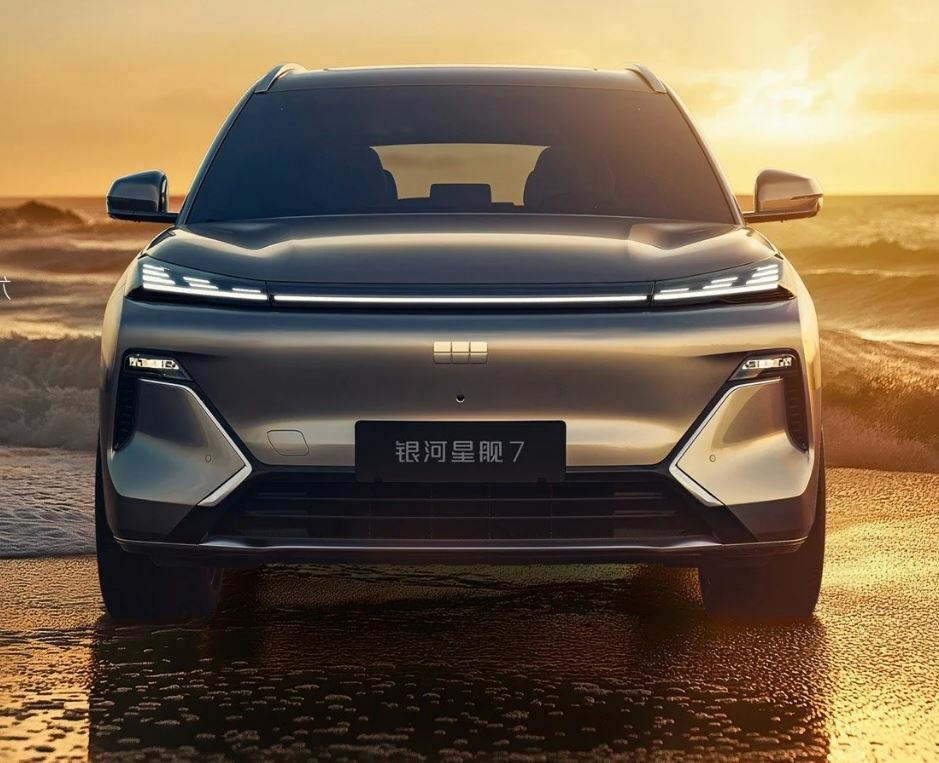
Leapmotor sales grew to 32,059, and Nio also reported an increase to 27,182 units. Geely sold over 270,000 cars in January, 1% more than a year earlier. Interestingly, its electric vehicle sales fell by 15%, while PHEV sales grew by 37%.
This dynamic allowed Geely to take second place in the country’s electric vehicle market after BYD, partly due to strong momentum from its Galaxy and Zeekr brands.
Will the State Intervene?
The coincidence has sparked rumors that Beijing may intervene again. If the decline continues throughout the first quarter, analysts believe the government may reinstate certain subsidies or incentives to support the market.

The sales decline at key companies that until recently set the tone in the industry may signal a phase of market consolidation and maturity. The success of brands like Aito shows that consumers continue to respond to innovative offerings, even in a general context of slowdown. The shift in Geely’s sales structure, where hybrids compensate for the drop in fully electric model sales, indicates that the transition to electromobility may be more gradual and nonlinear than expected. The future steps of the Chinese government will be crucial for restoring confidence among consumers and manufacturers, especially in the context of global economic uncertainty and intensifying international competition in clean technology.