 by
by Presentation of Dreame’s First Car
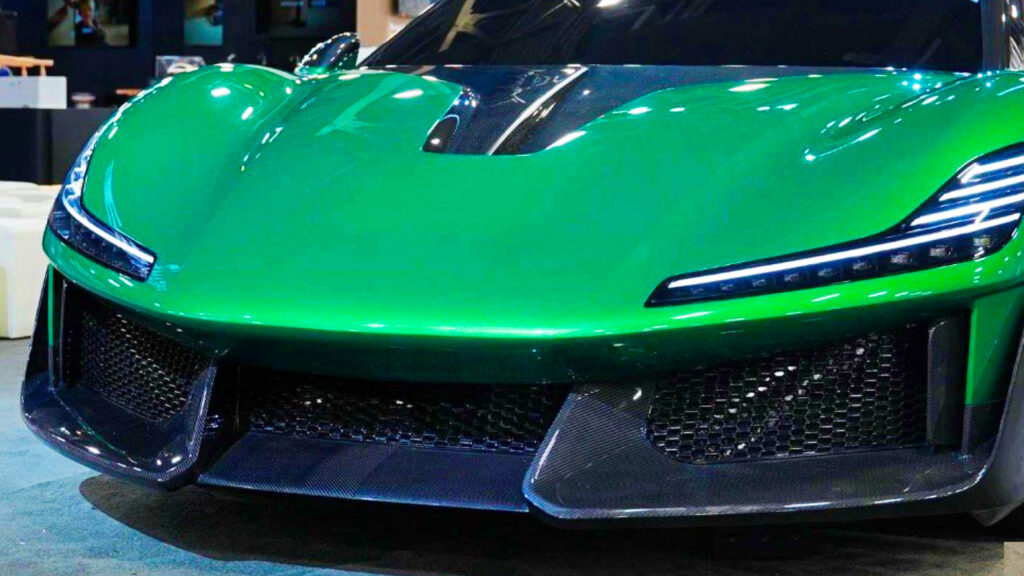
At the CES exhibition in Las Vegas, the Chinese company Dreame, known for consumer electronics, has finally unveiled its first car – the Kosmera Nebula 1. Earlier rumors suggested the design was inspired by Bugatti, but the actual appearance turned out to be more sporty and reminiscent of the style of Ferrari and Lotus.
The car’s key specifications include:
Design and Exterior
The final design of the Kosmera Nebula 1 has moved away from early renders that resembled the Bugatti Chiron. The front end with the grille now looks more like a Ferrari F8 Tributo, and the overall silhouette, despite having four doors, appears as a true supercar. Aggressive carbon fiber aerodynamic body kits and a spoiler on the trunk lid emphasize its racing potential.
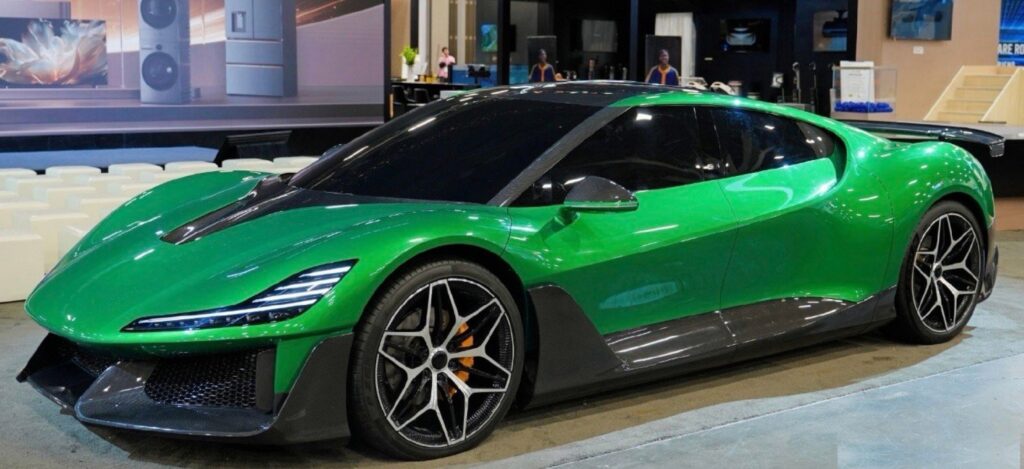
Earlier rumors suggested the design was inspired by Bugatti, but the actual appearance turned out to be more sporty and reminiscent of the style of Ferrari and Lotus.
Technical Specifications and Product Line
The powertrain with four motors provides the Kosmera Nebula 1 with power on par with modern hypercars, allowing it to compete with Chinese counterparts such as the Yangwang U9 and Xiaomi SU7 Ultra. CES also saw the presentation of two more cars from the Kosmera brand. One of them might be a modification of the Nebula 1, while the other, judging by the wheel placement and the presence of charging/fueling hatches, could be a hybrid with a front-mounted engine.
Production Plans and Market Prospects
For now, the Kosmera Nebula 1 remains a concept, and its interior has not yet been presented. Production is scheduled to begin this year at the Berlin factory near the Tesla plant. If the car demonstrates good dynamic qualities and receives a competitive price, it could become a serious challenge for models like the Porsche Taycan, especially in the European market. Dreame’s success in the home appliance segment adds intrigue to their automotive venture, showing how technology companies are increasingly entering the automotive industry, changing traditional perceptions of design and performance.