 by
by Revival of a Legendary Name
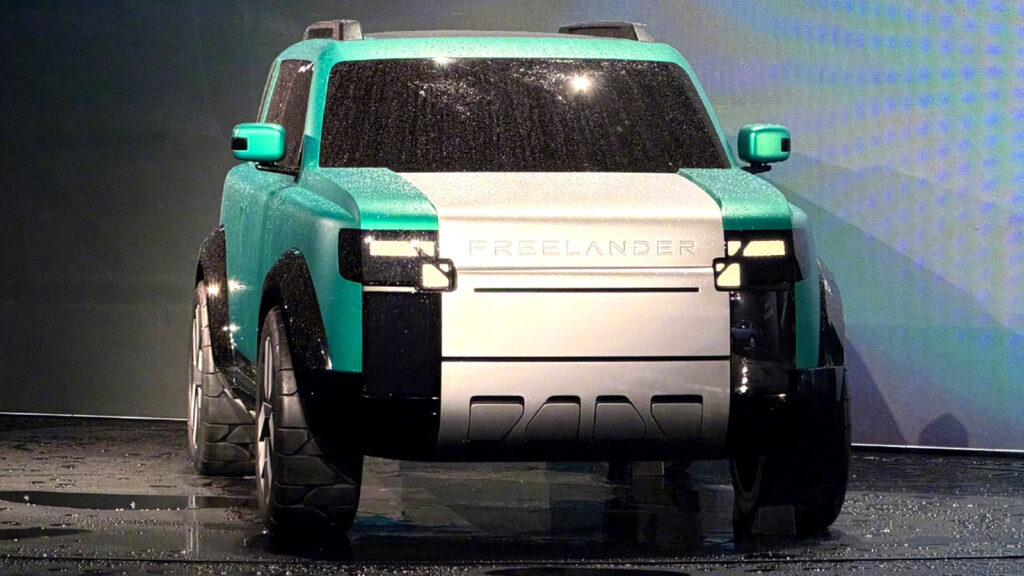
The Land Rover Freelander disappeared from the market back in 2015, but a joint venture between Jaguar Land Rover and the Chinese company Chery has revived this name as a separate brand focused on electrified SUVs. The first glimpse of this new direction was presented in China in the form of a concept car, not a production model.
A Concept Combining Past and Future
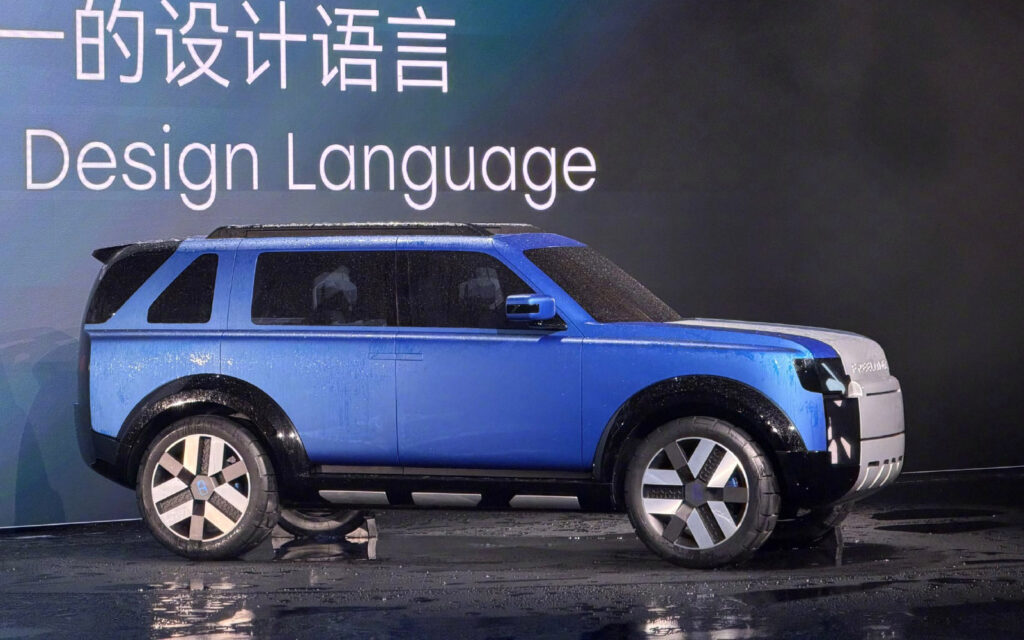
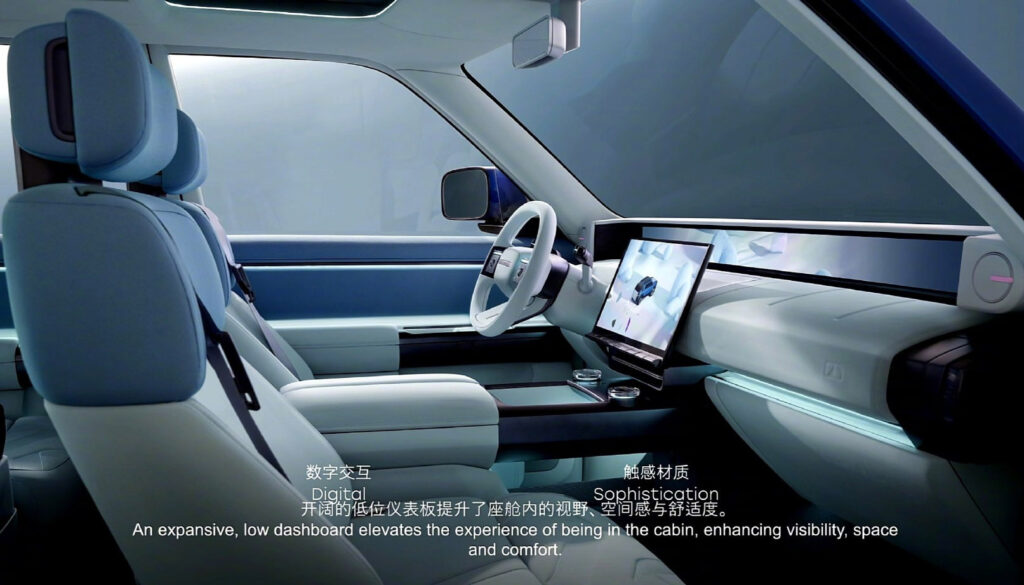
The concept car, named Concept 97, got its name in honor of the debut of the original Freelander in 1997. Although it lacks Land Rover badges, its design still heavily relies on the brand’s visual language, combining features of the original Freelander with elements reminiscent of the modern Defender.
The company reports that over the next five years, six production models will appear under the Freelander brand.
Production Plans and Global Expansion
Initially, the new models will launch in China, and then they will expand their presence worldwide, although this rollout has an important condition. Each model will be produced at the CJLR plant in Changshu, effectively replacing the future discontinued Land Rover Discovery Sport and Range Rover Evoque in the production line.
Sales Geography and Challenges
Since all production is based in China, and if US tariff policy does not change, these new Freelander models are unlikely to reach American dealerships.
Expectations for the First Production Model
Judging by previously published spy photos and leaks, the first production Freelander of the new era will be a three-row, six-seat SUV with a hybrid or ‘range-extender’ powertrain.
This story is still developing, and we await further updates. The return of Freelander as a separate electrified brand is a vivid example of how the global automotive industry is adapting to new realities. Collaboration between Western brands and Chinese manufacturers aimed at creating products for the global market is becoming increasingly common. The success of this initiative could significantly influence Jaguar Land Rover’s strategy and open new markets for China-made products beyond traditional sales regions. Much will depend on the technical specifications, final price, and consumer acceptance of the brand in Europe and other countries.