


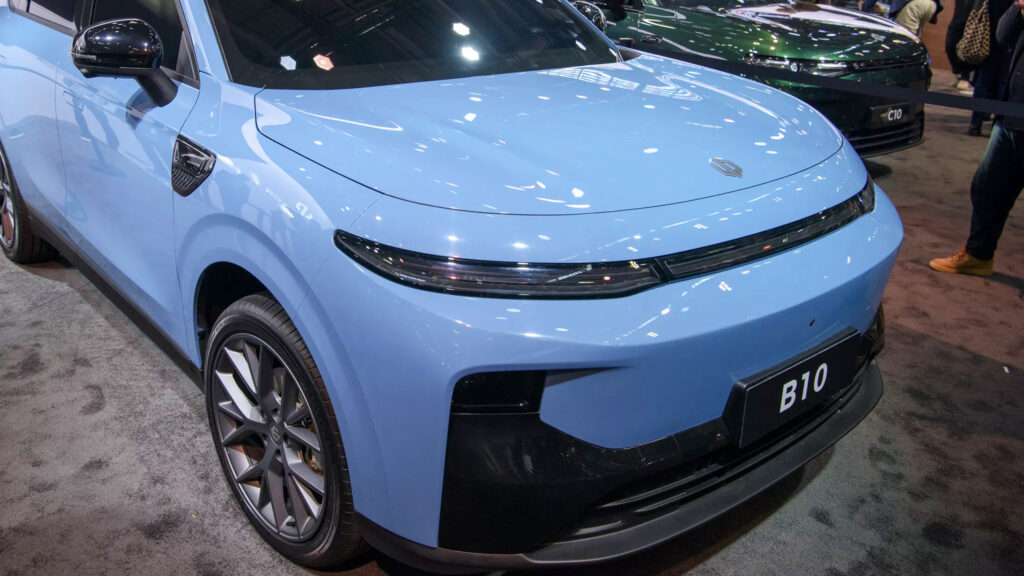
Chinese Manufacturer Leapmotor Begins Electric Vehicle Production in Spain
Following an unsuccessful experience with assembling its T03 urban electric car in Poland last year, Chinese automaker Leapmotor now plans to begin electric vehicle production in Europe, specifically in Spain. This step will become an important part of the company’s global expansion, especially in Western markets, where activity has significantly increased after the Stellantis conglomerate acquired a large stake in Leapmotor.
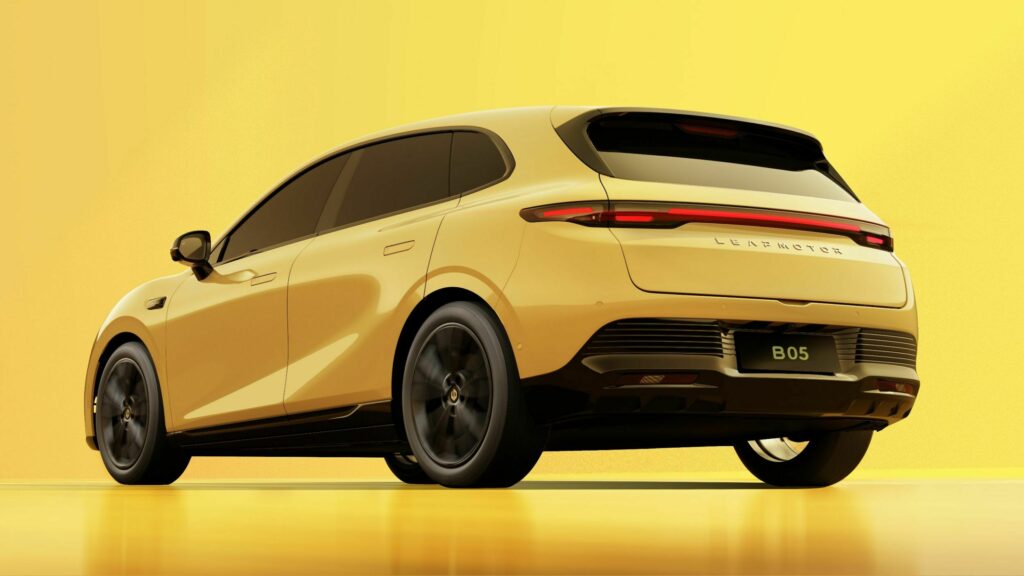
Production is expected to begin at the Stellantis plant in the city of Zaragoza. The first model to be assembled at the European site starting in October will be the fully electric B10 crossover. This model is already being sold in Europe but is currently imported directly from China. It is also reported that starting in 2027, a smaller model, the B05 hatchback, may begin production in Spain.
Rapid Growth in Exports and Path to Profitability
Last year was a turning point for the brand. Its global exports grew by almost 400%, reaching 67,052 units compared to 13,726 in 2024. Entering the European market also led to a rapid increase in local revenue — by 479% in 2025 compared to the previous year, amounting to 5.6 billion yuan.
Even more impressive is that Leapmotor achieved a net profit of 538 million yuan last year. This makes it only the second Chinese electric vehicle startup to achieve annual profitability.
Deepening Cooperation with Stellantis
Amidst the company’s successes, Leapmotor confirmed that it is actively exploring opportunities for cooperation with Stellantis in the field of vehicle and component development. The parties are already engaged in in-depth negotiations regarding a number of important projects.

Leapmotor’s Chief Financial Officer, Li Tengfei, noted during the financial results presentation that a closer partnership agreement with Stellantis will allow the company to better navigate European regulations and receive benefits regarding customs tariffs. Experts note that such a partnership will open up more opportunities abroad for Leapmotor, while Stellantis, in turn, will be able to significantly save on developing new electric vehicles by using the ready-made technological solutions of its Chinese partner.
This step echoes the actions of other European auto giants. For example, Volkswagen is already producing electric vehicles on the platform of the Chinese company Xpeng, and Audi has entered into a partnership agreement with China’s SAIC.
Expanding production in Europe is a logical step for Chinese manufacturers facing trade barriers. Localizing production allows not only to avoid potential tariffs but also to better adapt products to local preferences and standards. Leapmotor’s success, bolstered by Stellantis’s investments and infrastructure, could serve as a model for other companies seeking to establish themselves in the competitive European electric vehicle market. The future will show whether this alliance can effectively combine the speed of innovation with a deep understanding of the local market.