


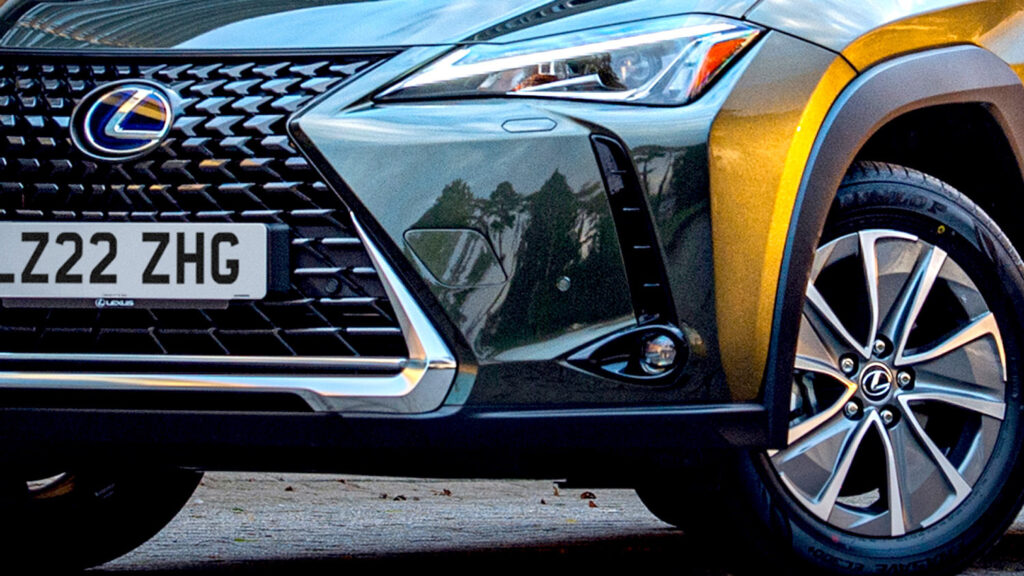
Lexus UX 300e electric vehicle discontinued
The Lexus UX 300e electric car quietly disappeared from the UK market five years after its debut, and this is not just a local farewell. Its exit is part of a broader discontinuation of sales in a number of global markets. This means Lexus no longer has a small and relatively affordable electric vehicle, and there is no information about a possible replacement.
Production halt confirmation
British media were the first to notice that the UX 300e had disappeared from the brand’s online configurator, which naturally sparked a wave of speculation. Lexus soon confirmed that the car had been discontinued at the end of 2025.
Lexus did not provide detailed explanations for the discontinuation, reports Auto Express.
The reason is likely slow sales, as well as the car beginning to become outdated. In the UK, fewer than 3,400 units were sold from launch until the end, which is not a success in a rapidly expanding electric vehicle market.
Model’s technical shortcomings
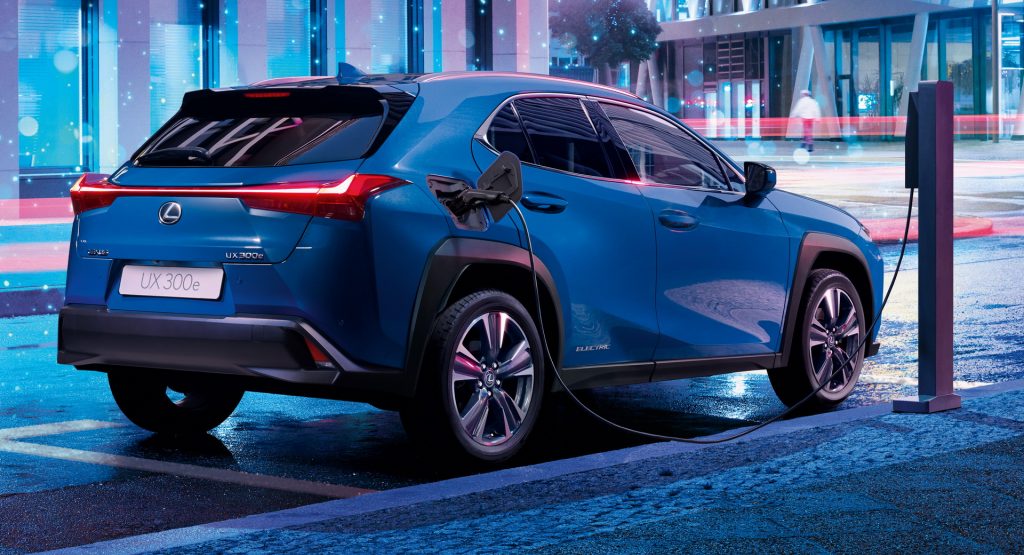
The conventional UX version continues to be produced and remains a decent, albeit outdated, option. However, the UX 300e felt compromised from day one. Its 54.3 kWh battery provided a range of only 186 miles, which was unsatisfactory even at launch. An additional problem was the CHAdeMo connector, once supported by the first-generation Nissan Leaf, but now almost unused by the industry.

Global context and competition
The UK is not the only market where the UX 300e was recently discontinued. In mid-2025, it was also discontinued in Australia, likely also due to low sales. Furthermore, the car was very expensive, starting from 80,720 Australian dollars, making it 30,000 dollars more expensive than some new Chinese competitors offering a similar level of luxury, but with better range and charging speed.
As reported by Autoblog, a similar situation occurred in other regions: the electric version was discontinued in parts of Europe and Japan without much fanfare.

Future of Lexus’s electric lineup
After the disappearance of the UX 300e, the larger RZ remains Lexus’s only current electric vehicle. The Japanese company is planning other electric vehicles, including its own version of the new Toyota Highlander, which will be positioned as a large and expensive three-row SUV.
This situation well illustrates the challenges traditional automakers face on the path to electrification. A model that does not meet modern requirements for range, charging speed, and affordability quickly loses competitiveness in a dynamic market. The departure of the UX 300e leaves a gap in Lexus’s portfolio, which is likely to be filled only by new, more technologically advanced developments focused on the future.