


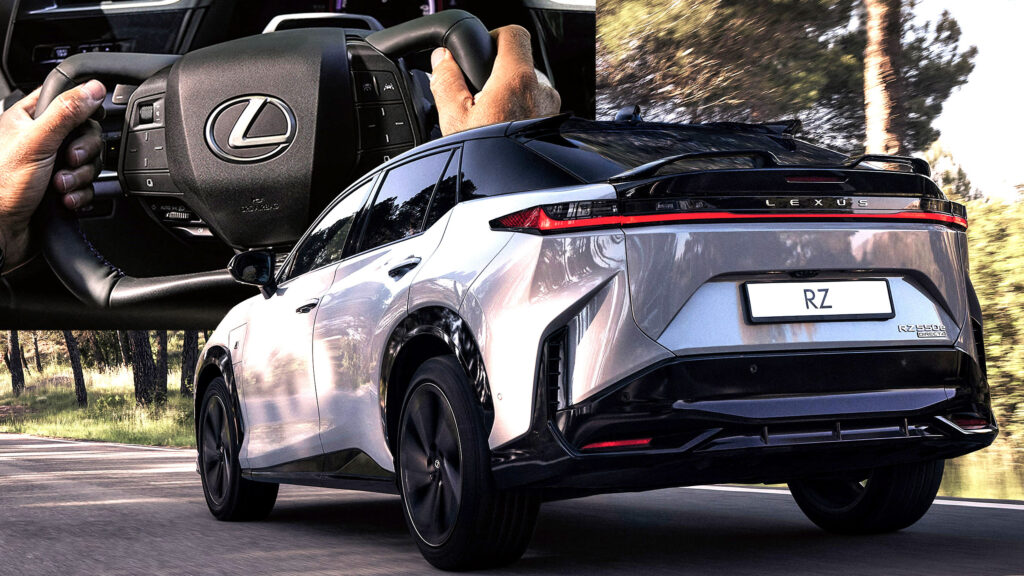
Simulated Manual Transmission for Electric Vehicles
Lexus is bringing its Interactive Manual Drive system to Europe following its debut in Japan. This technology simulates the feel of shifting a manual transmission in an electric vehicle, returning to drivers the sense of mechanical connection with the car that the brand believes was lost during the transition from internal combustion engines.
The system comes as standard on the updated Lexus RZ in F Sport grades, the European details of which were revealed exactly a year ago. First deliveries will begin this spring. Prototypes shown earlier in 2022 featured a physical clutch and gear lever, but the production version relies heavily on software, making it feel closer to a simulated automatic than a true manual.
Using steering wheel paddle shifters, drivers can shift through eight virtual gears, with a digital tachometer indicating optimal shift points. One of three levels of synthetic engine sound can also be selected, each synchronized with the simulated gear shifts.

Driver Engagement Technology
Similar to the S+ Shift gear system in the Honda Prelude, it goes beyond just sound. The system calculates virtual torque based on accelerator pedal position and vehicle speed, then feeds this information back through the drivetrain. The result is the illusion of real gear shifts with a full torque interruption effect, engine braking, and even a slight push from over-revving. At least, that’s the theory Lexus proposes.
Lexus is not alone in trying to give electric vehicles a more engaging gear-shifting experience. Similar systems are already offered by other automakers, including Hyundai with the fully electric Ioniq 5 N.
Steer-by-Wire System and Yoke Steering Wheel
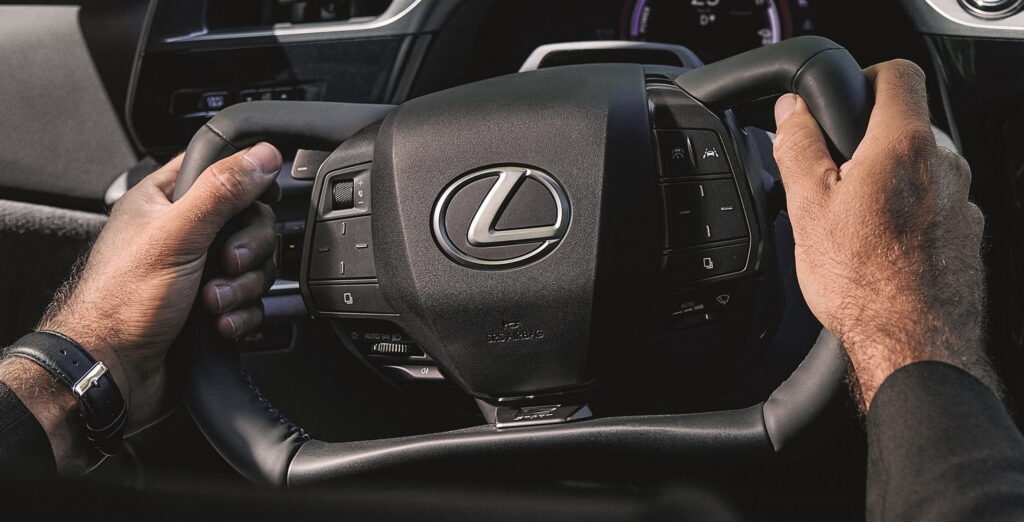
Lexus is also introducing its steer-by-wire system in Europe after years of delays. Standard on F Sport models and optional for the rest of the lineup, it replaces the mechanical steering column with a yoke steering wheel and a fully digital connection.
The futuristic steering wheel has a tight steering ratio of 200 degrees from lock to lock. In practice, this means no hand-over-hand movement is required during a U-turn, which would otherwise be awkward with a yoke.

Specifications and Updates for Europe
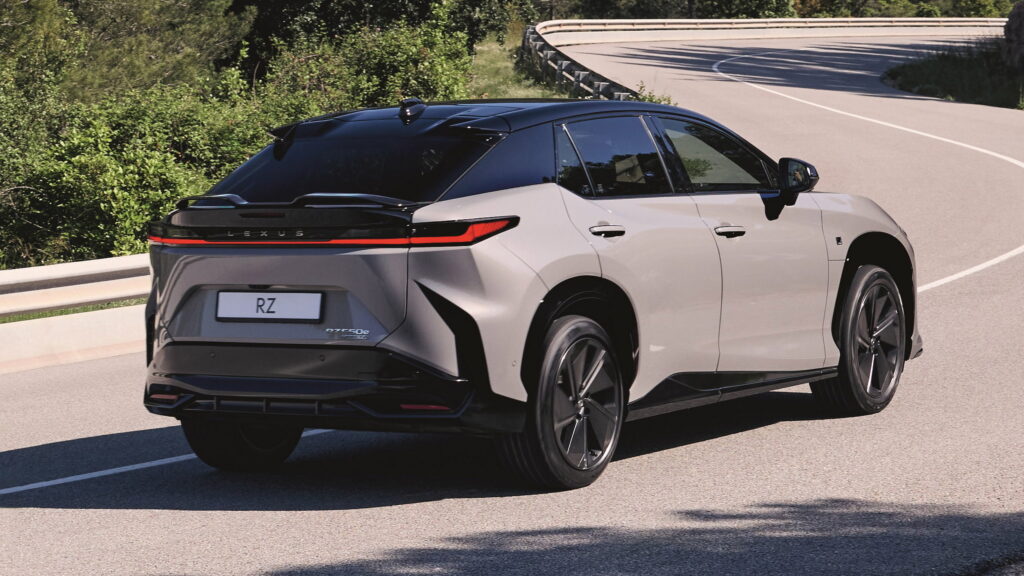
The most powerful version of the Lexus electric crossover in Europe is the RZ 550e F Sport AWD, producing a combined output of 402 hp. While this does not match the 424 hp of the Japanese-spec RZ 600e Sport Performance, it is enough for a 0-100 km/h acceleration in 4.4 seconds.
The latest update to the RZ lineup brought a larger 77 kWh battery, providing a WLTP range of up to 568 km for the base front-wheel-drive RZ 350e. Additional updates include a battery preconditioning system and a standard built-in 22 kW AC charger.
What About the US Market?
The Interactive Manual Drive system is also standard equipment for the US-spec RZ 550e F Sport. However, the steer-by-wire system with the yoke will not be offered in North America.
The introduction of systems like Interactive Manual Drive and steer-by-wire clearly demonstrates the direction in which the premium electric vehicle segment is developing. It’s not just about efficiency or autonomy, but also about the emotions and driving pleasure that many car enthusiasts felt were lost with the advent of electric power. Lexus, like some other manufacturers, is trying to find a balance between the innovations of the future and the nostalgia for the mechanical interaction of the past. The success of these simulation technologies among buyers will show whether “fake” gears and unconventional steering wheels can truly become a significant advantage in the competitive battle for the electric crossover market.