


Volkswagen admits mistakes with ID electric models.
The German automaker Volkswagen, which has been trying to recover from the “Dieselgate” scandal, admits that its early electric ID. series models did not meet customer expectations. The company’s management now aims to rectify the situation by focusing on buyer needs rather than its own ambitions.
Volkswagen CEO Thomas Schäfer, who took over the company in 2022, candidly stated that the brand had lost its essence. During the presentation of the updated ID.3 Neo, he explained that Volkswagen had strayed from the image that customers loved and recognized.
What exactly went wrong?
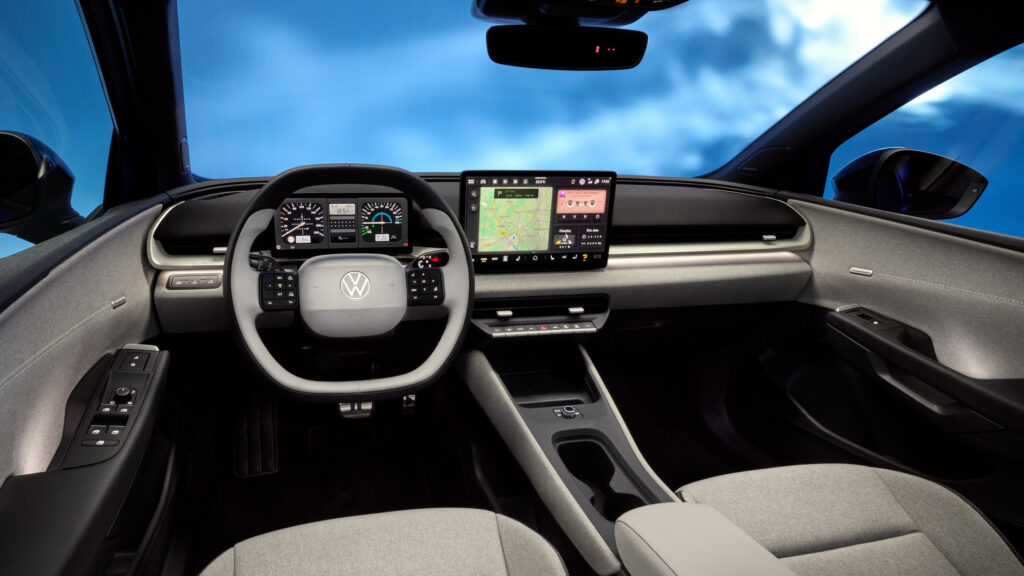
The problems were complex: from design that failed to evoke emotions to confusing touch-sensitive controls in the cabin. Customers did not appreciate the slider controls for basic functions and were skeptical about abandoning familiar model names like Golf or Tiguan in favor of technical ID designations.
We sell emotions, we sell memories.

A radical reboot under Schäfer’s leadership
Thomas Schäfer initiated not cosmetic changes, but a deep reassessment of strategy. He gathered hundreds of managers for a frank discussion of all the problems. According to him, the team welcomed the new course with relief, which involves a change in mindset and a return to the brand’s core values.
The customer’s voice as a priority
Chief Technology Officer Kai Grünitz emphasized that the reboot is based on real customer feedback. The company now regularly conducts customer clinics, testing features before they go into series production. This helps avoid decisions made solely based on the personal preferences of management.
New design and the return of familiar things
The exterior of the cars is also undergoing changes following the arrival of the new creative director, Andreas Mindt from Bentley. The focus is on simpler, more timeless shapes and interiors that don’t require studying a manual. Physical buttons are returning, even door handles are being redesigned for convenience in any situation.
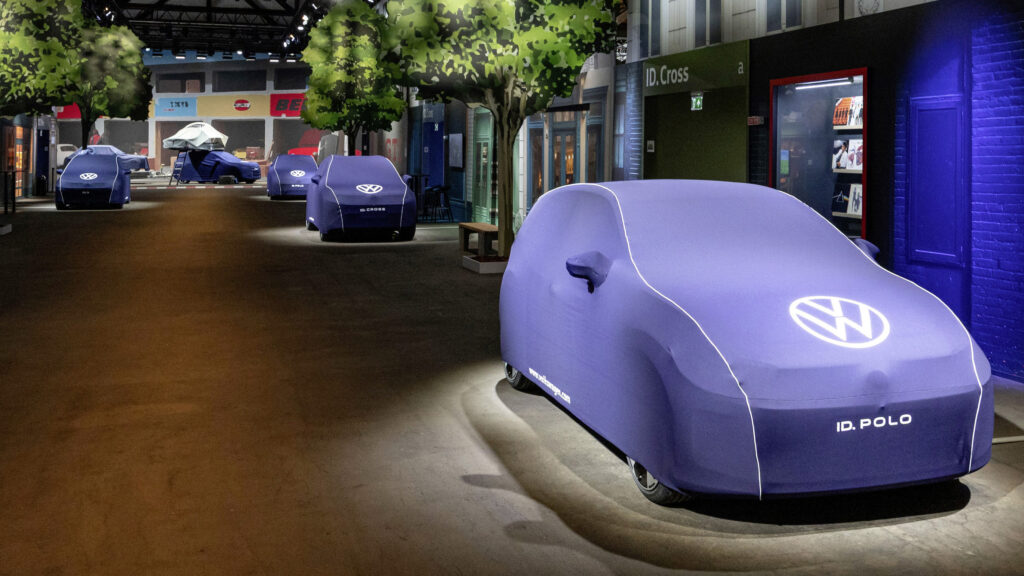
Returning to an emotional connection with the customer and familiar solutions, as in the future ID. Polo model, could help Volkswagen become a true people’s carmaker again in the electric era.
This candid self-criticism from one of the automotive giants shows how important it is to preserve brand identity during a transitional period. A rapid shift to new technologies sometimes leads to the loss of the qualities for which the brand was loved for generations. The success of Volkswagen’s future electric models will now depend not only on technical specifications but also on the sense of nostalgia and trust that can be restored. The story of the ID. models serves as a lesson for the entire industry about the balance between innovation and familiar comfort.