


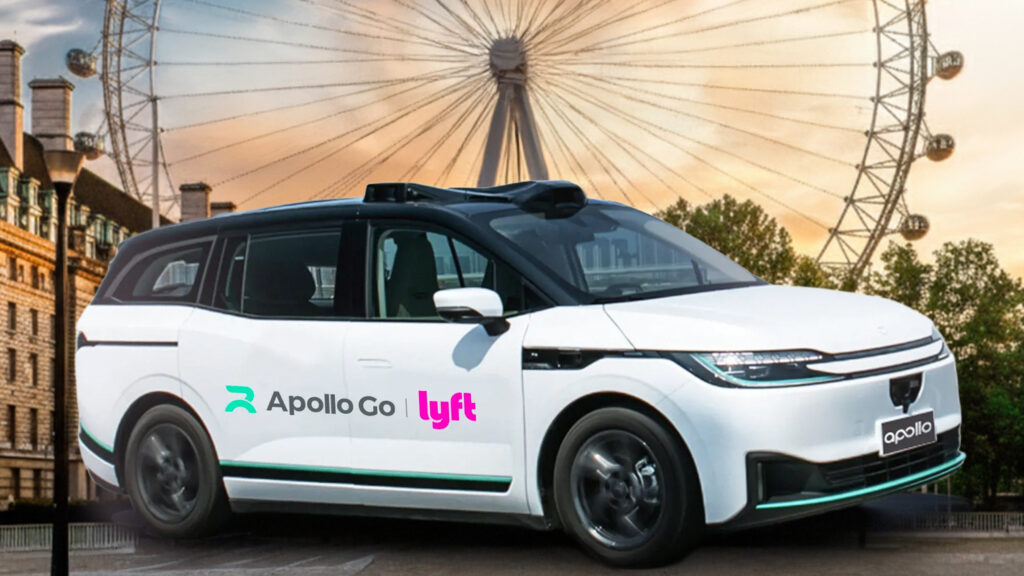
In 2026, companies Uber and Lyft plan to begin pilot projects with driverless taxis in the United Kingdom. London will become the main European testing ground for autonomous vehicles. These demonstrations are expected to be impressive but may be accompanied by a certain degree of chaos.
Company Plans and Technologies
Driverless taxis have already become a common sight on the US West Coast, but for residents of the UK and Europe, they still seem like something out of science fiction. However, Uber Technologies and Lyft have confirmed their intentions to launch pilot programs for autonomous taxis in the UK in 2026, provided they obtain the necessary regulatory approvals.
The technological basis for this will be provided by Baidu’s Apollo Go unit, which already operates a large fleet of robotaxis in China and carries out hundreds of thousands of trips weekly. It is planned that these vehicles will appear in the Uber and Lyft apps in London, turning the capital into one of the most prominent European centers for testing autonomous systems.
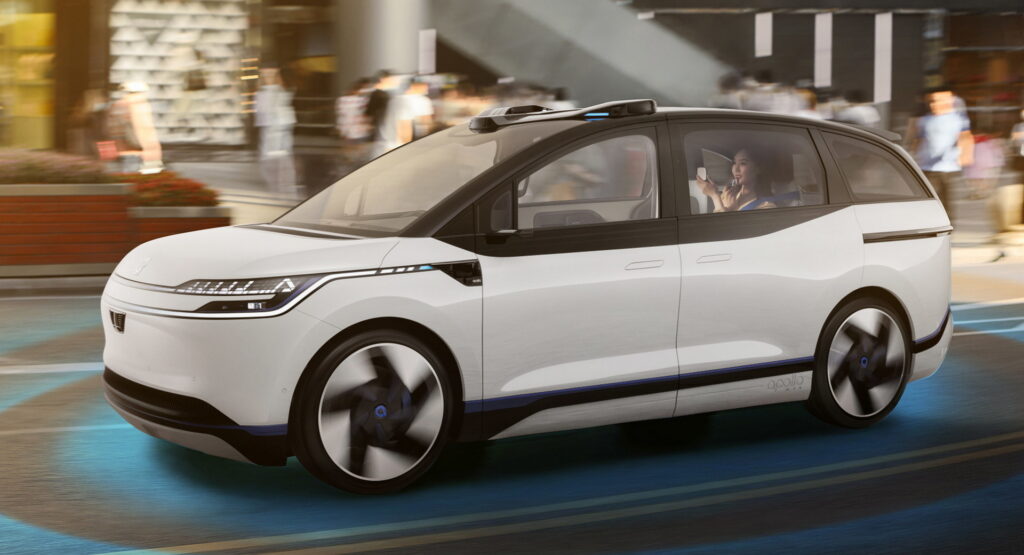
Lyft reports that testing will begin with dozens of Baidu RT6 minivans, with subsequent expansion of the fleet to hundreds of units. Uber, in turn, aims to launch its own pilot project in the first half of 2026.
Both companies have effectively abandoned attempts to develop autonomous technologies independently and now prefer to rent the “brains” from specialized firms. This approach is faster, cheaper, and allows them to focus on developing applications rather than teaching cars not to panic at pedestrian crossings.
Why Now?


The timing is not accidental. The UK government has accelerated plans to legalize limited operation of robotaxis from spring 2026. Furthermore, London’s “Vision Zero” road safety goals make autonomous technologies politically attractive. Theoretically, fewer human drivers means fewer human errors. In practice, however, robotaxis will have to be top-notch to handle intense London traffic.
Experience and Challenges

Robotaxis have been operating for some time in some areas of the US, most notably by Waymo, which also plans to launch its services in the UK next year. Based on the experience already accumulated, Britons should prepare for a mix of quiet perfection and awkward situations: sudden braking, hesitant stops at intersections, and traffic jams created by a confused robot.
At the end of November 2025, three fully autonomous Jaguar I-Pace SUVs from Waymo got stuck at an intersection in San Francisco after one of them collided with another. All three vehicles were paralyzed and waited for a human operator to arrive on the scene to untangle the situation.
It’s official: @lyft & @Baidu_Inc are bringing autonomous vehicles to London. Users across the city will be the first in the region to try Baidu Apollo Go vehicles. We expect to begin testing our initial fleet of dozens of cars next year – subject to regulatory approval.
The planned launch of robotaxis in London could become a turning point for urban mobility in Europe. The success of these pilot programs will directly influence the regulatory environment and public perception of the technology across the continent. The key question remains the adaptation of systems developed in other countries to the specifics of Europe’s dense cities with complex histories and infrastructure. The reaction of Londoners to the first autonomous rides, especially under conditions of notorious traffic congestion, will be an important indicator of the future of this industry.