 by
by Today, the US automobile market presents a paradoxical picture that can be summarized in a few key points:
Visiting a luxury car dealership, one might think the market is booming. However, the atmosphere at ordinary dealerships is completely different: cautious buyers, lengthy discussions about monthly payments, and many who decide to wait.
Market Split: Luxury for Some, Inaccessibility for Others
Today’s reality is a market that is simultaneously thriving and struggling. On one hand, affluent buyers are spending money freely, choosing large, expensive cars loaded with technology and comfort, and doing so at a record pace. On the other hand, Americans with lower and middle incomes are being silently pushed out of the new car market.
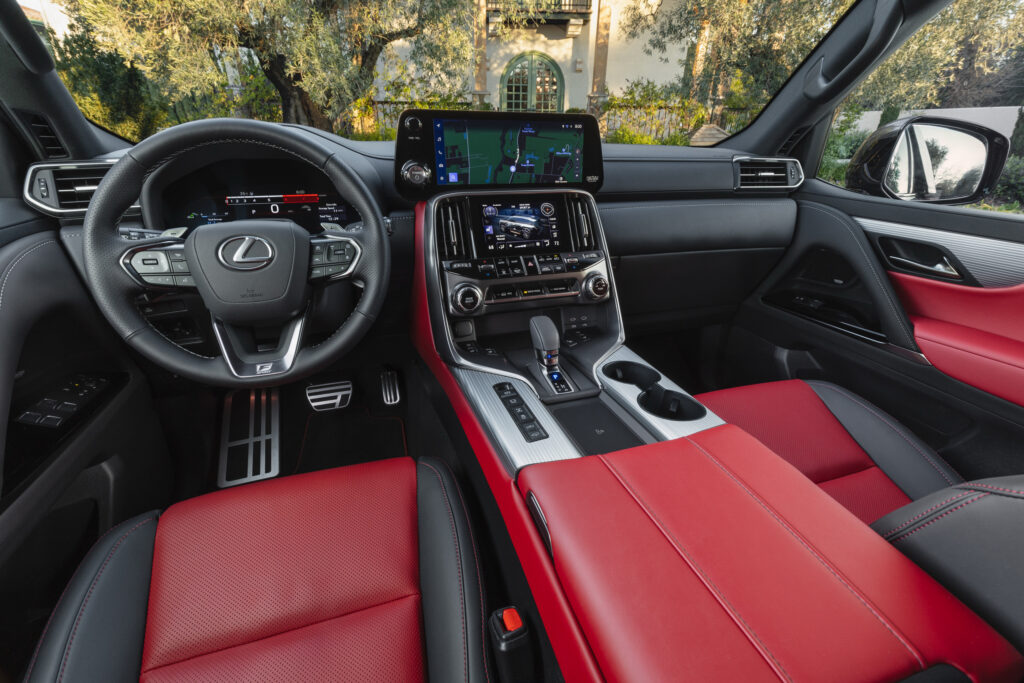
The turning point has not only a financial but also a psychological nature. As soon as the average price of a new car crossed the $50,000 mark (which happened last year), the very idea of buying a new car ceased to be something ordinary and began to be perceived as an object of luxury.
The Top of the Market Continues to Grow
According to USA Today, some luxury brand dealers are recording their best years in history, even as the overall market softens. One dealer noted that demand for expensive cars remains high, fueled by so-called “enthusiast purchases” and a love for the newest and best models.
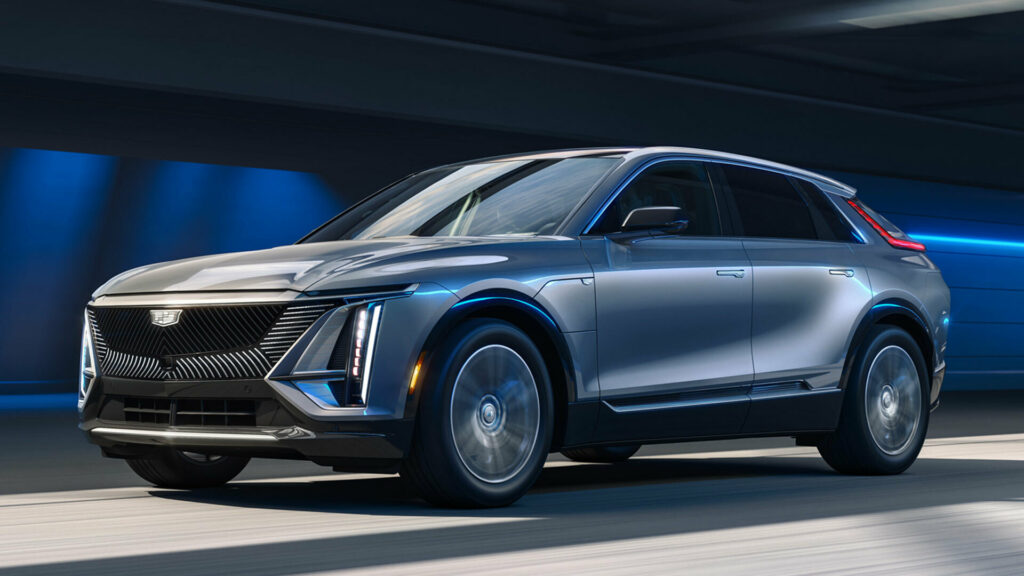
Nelson Andrews, head of Andrews Transportation Group, which owns four premium brand dealerships in Middle Tennessee, including Cadillac, Jaguar, and Range Rover, stated: “We are going to show our best year in history precisely this year.”
Kelley Blue Book data confirms this trend. Cars priced over $75,000 are now selling in larger volumes than those costing less than $30,000. Affordable cars still exist, but they are no longer the primary choice for most buyers. According to our data, only 7% of new cars sold in the US in November cost less than $30,000.
According to KBB, the average transaction price for a new vehicle rose to $50,326 in December 2025. This is 0.8% higher than last year and 1.1% higher than in November.
The Squeezed Middle Class
For many ordinary Americans, the numbers are becoming less and less justifiable. Higher interest rates, larger loan amounts, and longer financing terms are leading to more and more buyers either stretching their budgets too thin or abandoning purchases altogether.
Banks are now offering loans with terms of up to 84 months, which seemed absurd not long ago. This allows for lower monthly payments, avoiding $1,000 bills that one in five buyers faces, but it can also trap buyers in negative equity for years. Of course, the average luxury car buyer doesn’t have to worry about this.
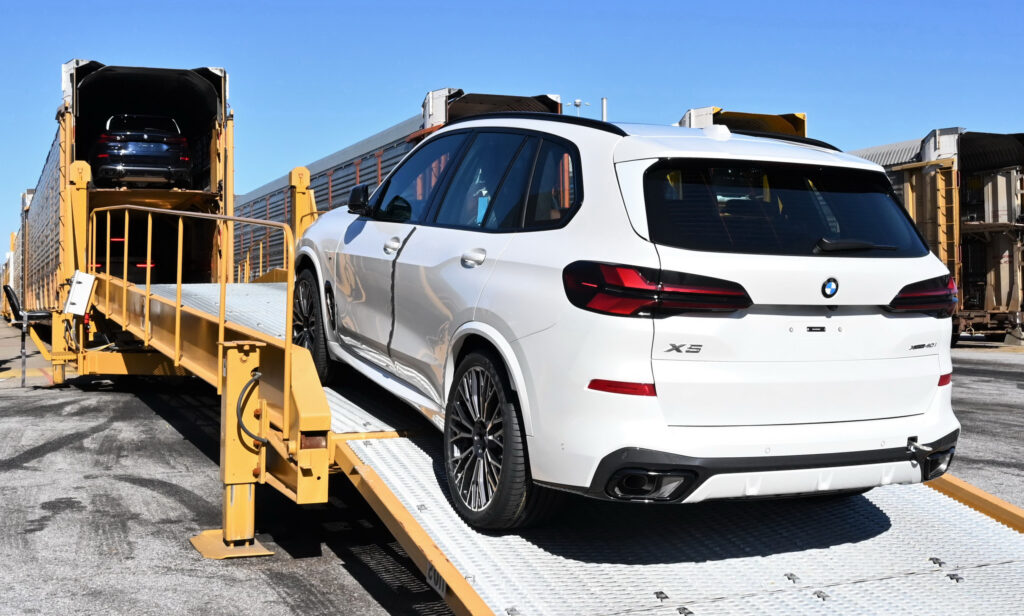
Image: Cadillac/VW
This market polarization could have far-reaching consequences for the auto industry. Mass-market manufacturers will have to seek new strategies to remain profitable, possibly focusing on economy models or subscriptions. At the same time, sales growth in the premium segment is not necessarily a sign of a healthy economy overall, but rather reflects deepening socio-economic inequality. The future will show whether this trend will lead to the emergence of new, more accessible forms of mobility, or whether the new car market will finally transform into a privilege for the upper strata.