


The Myth of Classic Perfection
The Porsche 911 has long been a textbook example of timeless automotive culture. Its design has evolved, but classic models are revered as icons of driving perfection. However, such reverence is not universal. The latest criticism comes from a person professionally involved in modifying these cars.
Experience That Breeds Criticism
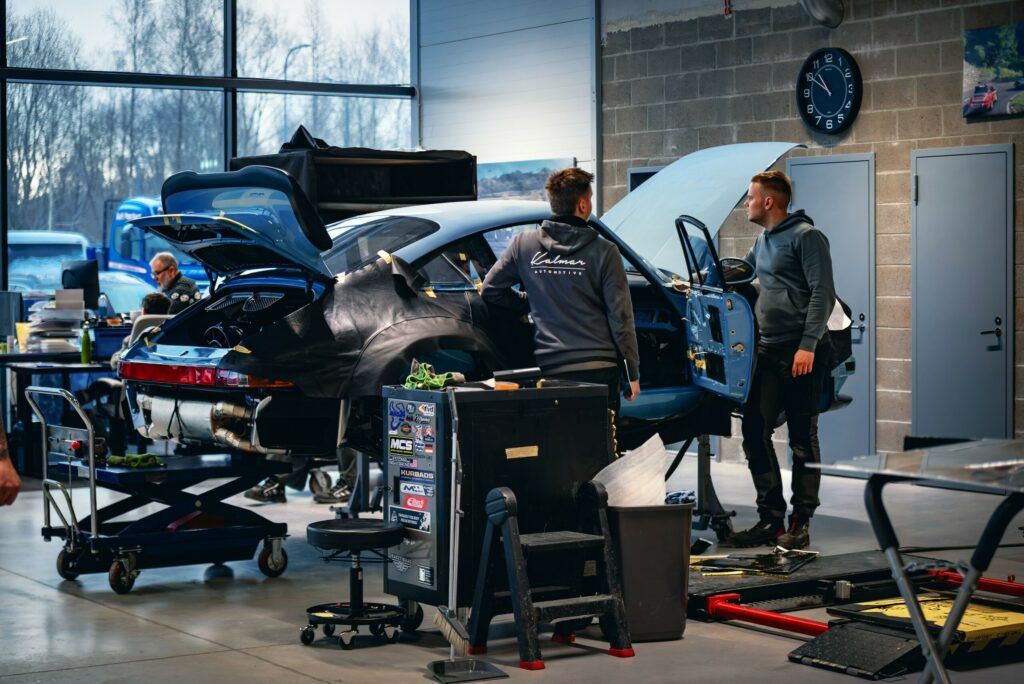
Jan Kalmar, founder of Kalmar Automotive, built his reputation on restoring and rebuilding vintage Porsches. His business started with restoring early 911s but later expanded to creating rally cars and custom restomods that push these machines far beyond their original specifications. In an interview, he does not shy away from sharing his opinion about classic 911s and explains why they are not so ideal in their stock form.
“When my generation was young, we all dreamed of owning a 911,” says Kalmar. “Back then we couldn’t afford it, but now more and more people can. But when they buy the car they dreamed of, get behind the wheel, and realize it’s crap. It drives like a broken bone. A Golf drives better, and a headlight for a 911 costs as much as a Golf.”


Nostalgia vs. Reality
His argument is that those in love with air-cooled 911s tend to ignore their shortcomings. Modern cars are far more refined tools than even the best supercars of the past. It’s easy to succumb to nostalgia and then realize that early 911s are incapable of delivering the balanced, modern driving experience one dreamed of. This is not a condemnation of Porsche’s heritage. Kalmar’s experience with restoring and modernizing classics gives him an understanding of how difficult it is to make them truly enjoyable by modern standards.
From Criticism to Creation
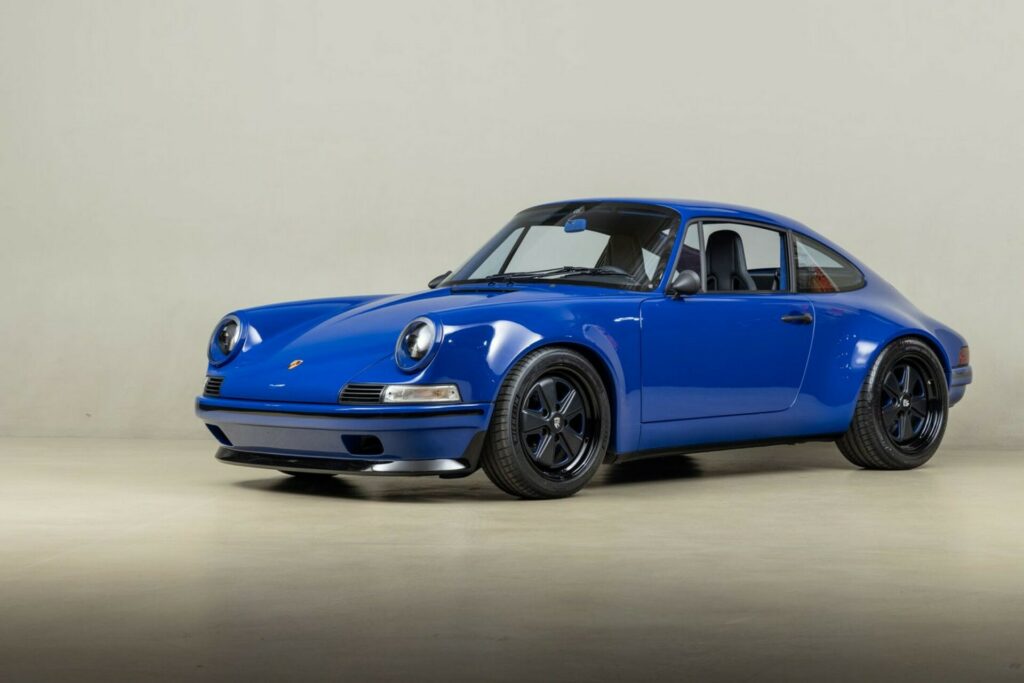
His first commission, a car based on the 964, was built for legendary endurance racer Tom Kristensen. The car was named the 7-97, but Kalmar could not reconcile himself with the chassis’s flaws. He did what a gifted perfectionist would do: he transplanted the 964’s body panels onto a 993 chassis. During testing on the autobahn, it turned out that at speeds over 300 km/h the car had excessive aerodynamic lift.

The Path to a Hypercar
The solution was the aerodynamic optimization of every panel. Later, Kalmar’s company undertook the creation of a modern interpretation of the Porsche 959. This project, named the 9×9, is based on the 993, develops 917 hp, has high downforce, and features a chassis from the modern 992 model. The hypercar, limited to 27 units, is still under development, with its goal being a sub-7-minute lap on the Nürburgring.


So, while Jan Kalmar’s blunt statements may seem harsh, he has the ability to back up his opinion with actions. He also notes that most buyers are chasing a dream, not a real driving experience. And undoubtedly, the cars created by his company are truly impressive. Kalmar’s position highlights an important aspect of car culture: the gap between the romantic perception of an icon and its objective technical characteristics in an era where standards of comfort, safety, and dynamics have risen sharply. His work is essentially a bridge between these two worlds, attempting to breathe modern technical substance into a classic form that meets the expectations of today’s driver.