


Robotization triggered a strike: Hyundai workers demand guarantees
Electrification is not the only major change currently taking place in the automotive industry. Behind the scenes, robots are beginning to infiltrate factories, and real workers are so concerned that Hyundai employees have announced a strike.
Workers at Hyundai’s South Korean plants have begun a three-day phased strike after wage negotiations broke down. Instead of a complete work stoppage, employees are leaving shifts two hours early through Wednesday, while union leaders continue negotiations with management, hoping to avoid a longer conflict, Bloomberg reports.
A fight not just for wages
Money is the main sticking point. The union is demanding a larger increase in base pay, bigger bonuses, and a profit-sharing system tied to the company’s annual revenue. Union members argue that if tech company workers benefit from the artificial intelligence boom, then the workers who build cars should also benefit from it.
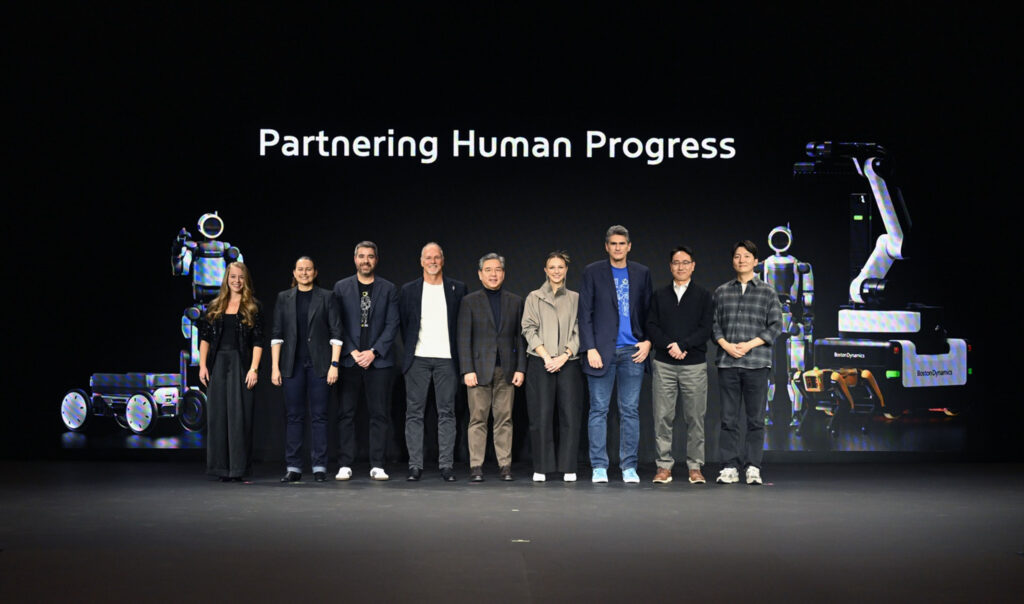
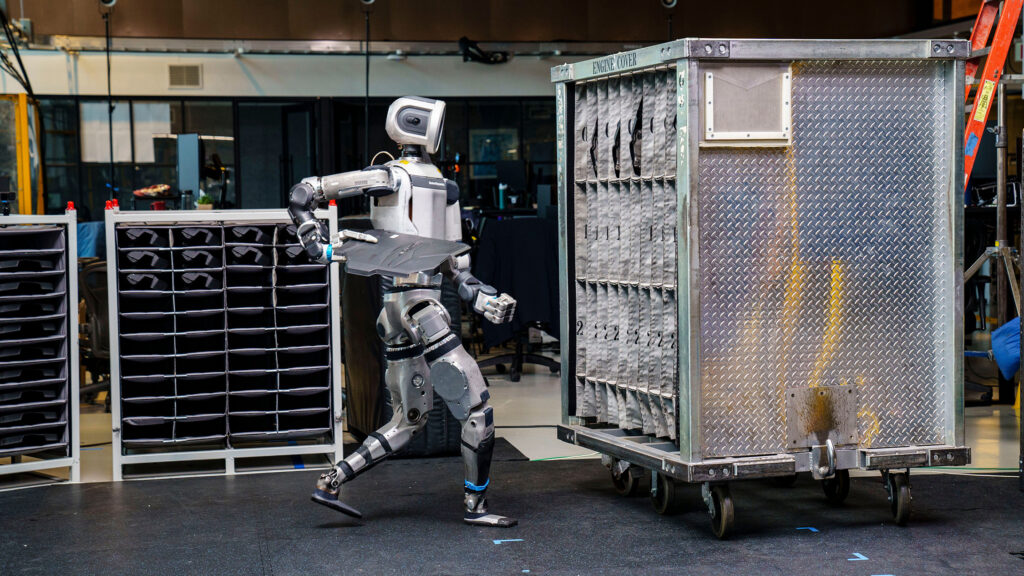
But the strike is not only about more money today, but also about guarantees that workers will receive wages tomorrow. The automaker has already announced plans to introduce Boston Dynamics’ humanoid robot Atlas, which is owned by Hyundai, at U.S. plants starting in 2028.
Protecting jobs in the age of automation
The machines are expected to start with repetitive logistics tasks and later, by the end of the decade, take on more complex assembly operations. Therefore, the union is demanding formal negotiations before the introduction of robots, protection of workers’ income as automation expands, and raising the retirement age from 60 to 65.
Hyundai is not the only company on this path. Tesla, Mercedes-Benz, BMW, Toyota, Mitsubishi, BYD, Chery, and several other manufacturers are actively investing in humanoid robots and AI-based automation. Whether it’s moving parts around a warehouse or assisting in car assembly, the industry clearly believes robots will become a common sight on the factory floors of the future.
Management’s stance: firm and unwavering

For Hyundai, the strike will be inconvenient and costly. South Korea remains the heart of its manufacturing operations, producing roughly half of its global vehicle volume. Even relatively short production stoppages can quickly lead to the loss of thousands of vehicles and hundreds of millions of dollars in revenue. But the company is not backing down.
“Past strikes have yielded nothing but irreversible production losses, lost wages, and harsh criticism from our customers and the public,” warned Choi Yong-il, head of domestic production, in a statement.
He added that Hyundai will not compensate workers for wages lost during the strike. Of course, if humanoid robots eventually take over enough jobs, Hyundai may not have to go through this hassle again. An assembly line may stop for a software update, but management likely won’t have to negotiate with a picket line of Atlas robots demanding bigger bonuses. At least, not until they become smart.
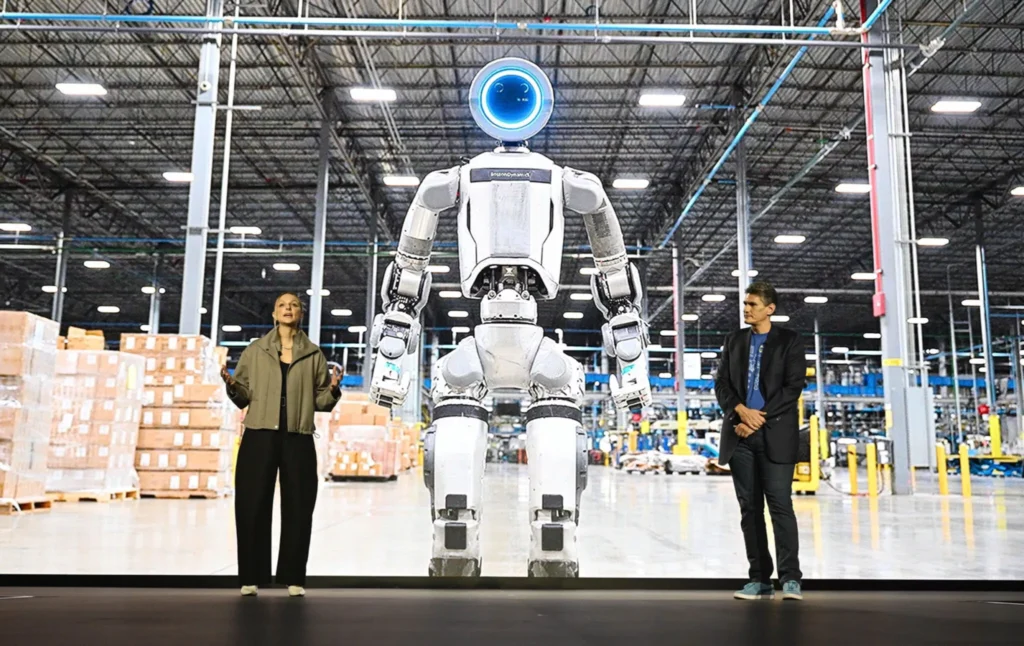

This strike is a symptom of a deep structural problem facing the entire global automotive industry. On one hand, companies are forced to increase efficiency and reduce costs due to fierce competition, especially from Chinese manufacturers. On the other hand, workers rightly fear that automation will leave them without a livelihood. The situation at Hyundai is telling: even a successful company with high profits faces serious social tension when it comes to introducing robots. The resolution of this conflict will likely define the model of labor relations for the entire industry for decades to come, as the balance between technological progress and social responsibility becomes a key challenge of our time.