 by
by New Japanese Supercars: Toyota GR GT and Lexus LFA
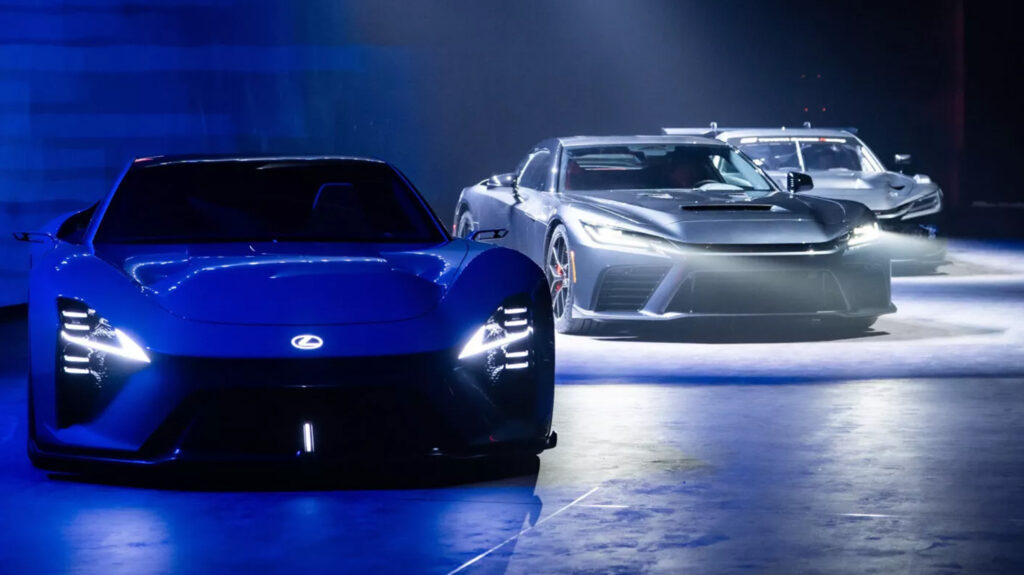
After a long wait, the new Toyota GR GT and the revived Lexus LFA have appeared. These two Japanese supercars, although related, promise to offer drivers completely different driving experiences.
Key features of the newcomers:
Toyota GR GT Philosophy: Functionality and Aerodynamics
Many consider the GR GT to be a more direct successor to the original LFA, primarily due to its V8 hybrid engine. However, a detailed review shows that Toyota did not try to overshadow Lexus but created its own, driver-centric philosophy.
The GR GT’s design is defined by functional aerodynamics: huge intercooler intakes, a rally-style hood vent that directs air over the windshield. The car has a long hood, a compact cabin, and a low, wide stance reminiscent of models like the AMG GT or Dodge Viper.
Presenter Tom Ford emphasizes that the driver’s seating position in the GR GT is designed for maximum feel and control. The seat height, digital instrument cluster, and steering wheel are positioned to provide optimal visibility, which is critical for tracking shift lights and key information.
The car offers only four driving modes: Custom, Normal, Sport, and Track. The center console is equipped with physical buttons and switches, and the cupholders are hidden behind the seats, as they are not a priority in such a machine.
Extreme Racing Version and the Elegant Lexus LFA
The GT3 racing version, compliant with FIA requirements, is even more radical. Its interior is stripped of any comforts, instead abundant with exposed carbon fiber and racing switches. The rear spoiler is as wide as the car itself.
The Lexus LFA, unlike the GR GT, is fully electric. Lexus engineers fully utilized the advantages of electric propulsion, designing the exterior around it. The car has almost none of the ventilation intakes and aero elements present on the GR GT, as there is simply no need for them.
The LFA’s lines are more refined and elegant. Long ribs on the hood run from the headlights to the windshield. Instead of sharp edges, the design consists of smooth, complex curves.
This approach continues in the interior, which is focused on luxury and fine craftsmanship. The two-section cabin visually separates the driver’s space, and the controls are smaller and more refined, matching the car’s overall calmer energy.
Shared Platform, Different Character
In conclusion, the Toyota GR GT and Lexus LFA, despite sharing a technical foundation, are created for different purposes and audiences. The GR GT is an unrestrained, mechanical, and sharp track machine, while the LFA offers a sophisticated, technological, and silent way of fast travel. Their differences are palpable even at a standstill, highlighting the depth of development of each model. The simultaneous appearance of these cars demonstrates the ability of the Japanese auto industry to create iconic sports models that do not compete but complement each other, covering different perspectives on high-speed driving. This is a strategy that could significantly strengthen the position of both brands in the global premium sports car market.