



Support for Chinese Electric Vehicles in Canada
The recent trade agreement between the Canadian government and China, which significantly reduces tariffs on electric vehicles, has sparked lively public discussion. Despite the controversial nature of this move, a new survey indicates that a majority of Canadians support the idea of greater access for Chinese electric cars to the country’s market.
A survey conducted by Leger found that 70% of respondents are aware of the agreement, and 62% support the possibility of buying more Chinese electric vehicles. Of these, 24% expressed strong support, and 38% expressed moderate support.
70 percent of respondents said they were familiar with the agreement, and 62 percent expressed some level of support for allowing more Chinese electric cars into the market.
Regional Specifics and Appeal of the Offer


Support is strongest in Quebec, where 72% of those surveyed approve of the policy. This exceeds the national average and indicates regional differences in attitudes toward foreign brands. The survey also showed that awareness of the agreement is higher among men and Canadians aged 55 and older.
The appeal of Chinese electric vehicles, such as models from BYD, Chery, and Geely, is evident: they offer well-equipped cars at competitive prices. Their success in markets like Australia, where they have become commonplace and forced local manufacturers to lower prices, could be replicated in Canada, expanding consumer choice.
Existing Concerns and Limitations of the Agreement
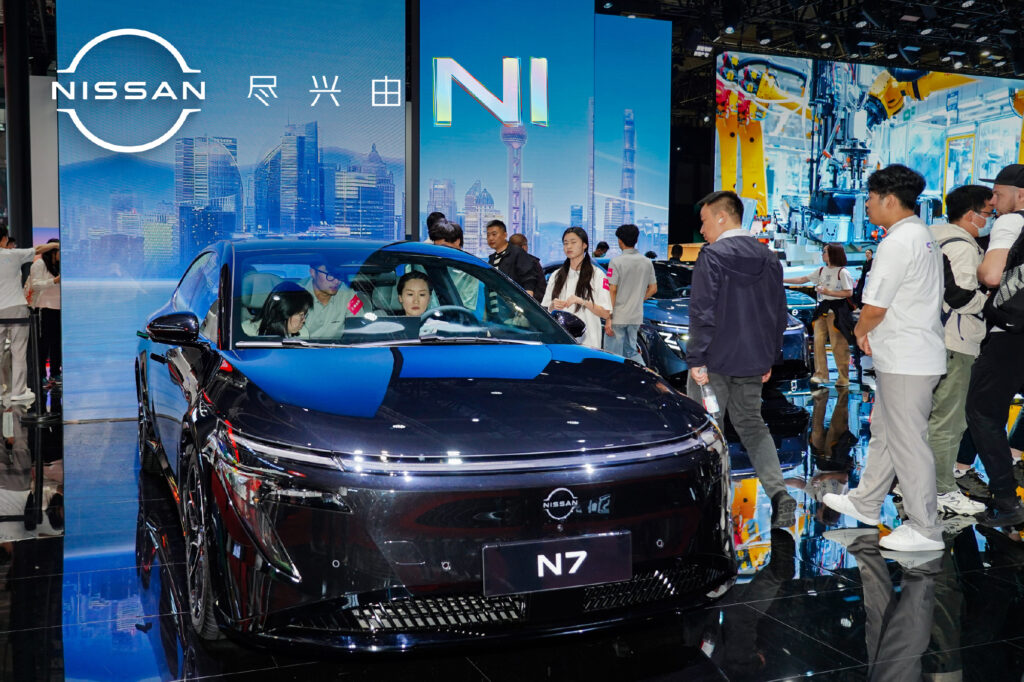

However, alongside support, there are also significant concerns. Three-quarters of those surveyed have at least one concern regarding Chinese electric vehicles. Canadians are worried about issues of vehicle quality and durability, the potential impact on the local automotive industry, safety standards, and geopolitical tensions.
Particular attention is drawn to data security and privacy issues. Following the announcement of the agreement, Ontario Premier Doug Ford suggested that these vehicles could potentially be used to spy on Canadians.


The agreement between Canada and China will not lead to a massive influx of vehicles. Initially, imports under reduced tariffs will be limited to a quota of 49,000 vehicles per year, with half of them required to cost less than 35,000 Canadian dollars. This quota matches the number of Chinese electric vehicles already imported into Canada in 2023.
This trade agreement reflects the complex dynamics of the global transition to electric vehicles, where economic affordability and expanded consumer choice conflict with questions of national security, data protection, and support for domestic industry. The reaction of Canadian society shows that, despite a willingness to take advantage of a more competitive market, the public remains cautious about potential long-term consequences. The success of this initiative will largely depend on how the government and regulators can address these issues, ensuring transparency in safety and data protection standards.