


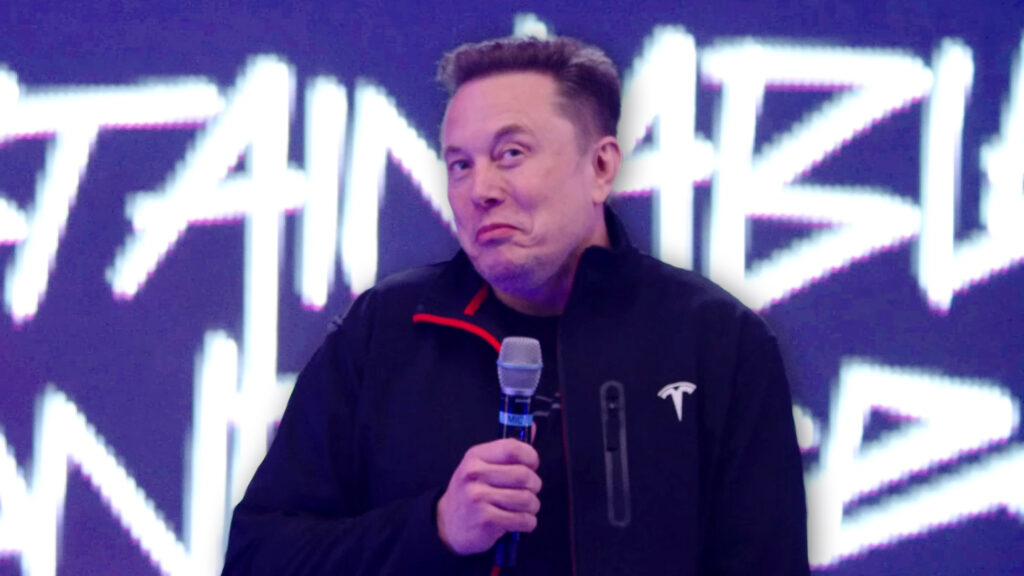
The trial against Elon Musk over his purchase of Twitter in 2022 began with the complex formation of a jury. Among the key facts:
The Difficulty of Forming an Unbiased Jury
Finding nine people willing and able to judge the case impartially proved to be a difficult task. Dozens of candidates were dismissed due to already formed strong opinions about the billionaire. Judge Charles R. Breyer spent five hours to narrow down the list from 93 candidates to just nine. Forty individuals were quickly dismissed after admitting they would not be able to set aside their personal biases in the case concerning Musk.
Musk’s lawyer, Stephen Broom, expressed concern, stating:
We have so many people on the list who hate him so much that we are starting to become desensitized.

Recording Biases in the Protocol
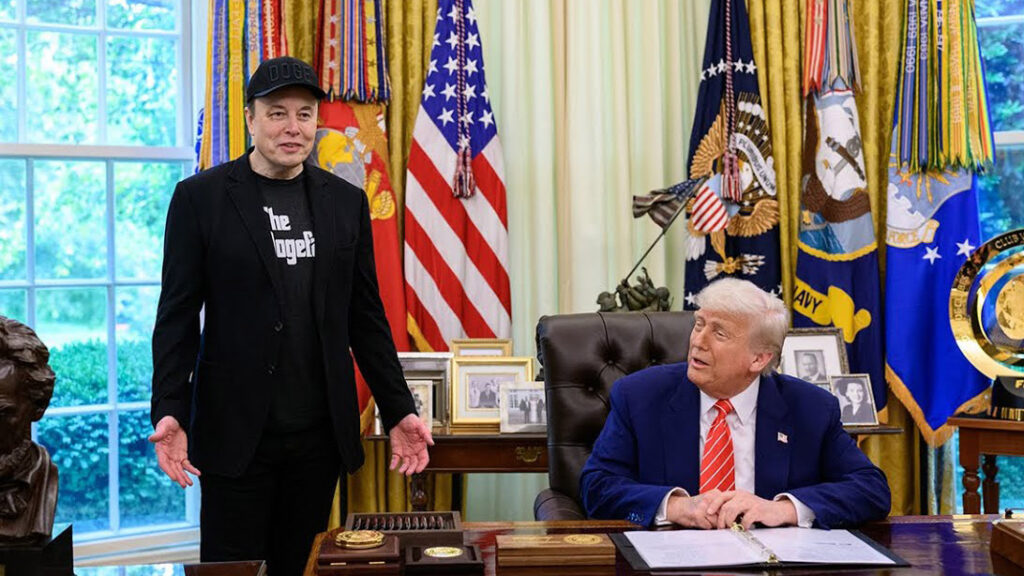
Questionnaires filled out by potential jurors clearly showed that many already hold negative views of Musk, his companies, and his political ties to the Trump administration. One man even admitted that in a criminal trial he would feel a “moral obligation” to convict Musk and send him to prison, which naturally led to his dismissal.
However, admiration for the billionaire proved to be just as disqualifying. One woman described Musk as a “brilliant scientist,” but after acknowledging she would feel concern for the investors suing him, she was also dismissed.

A Public Figure at the Presidential Level
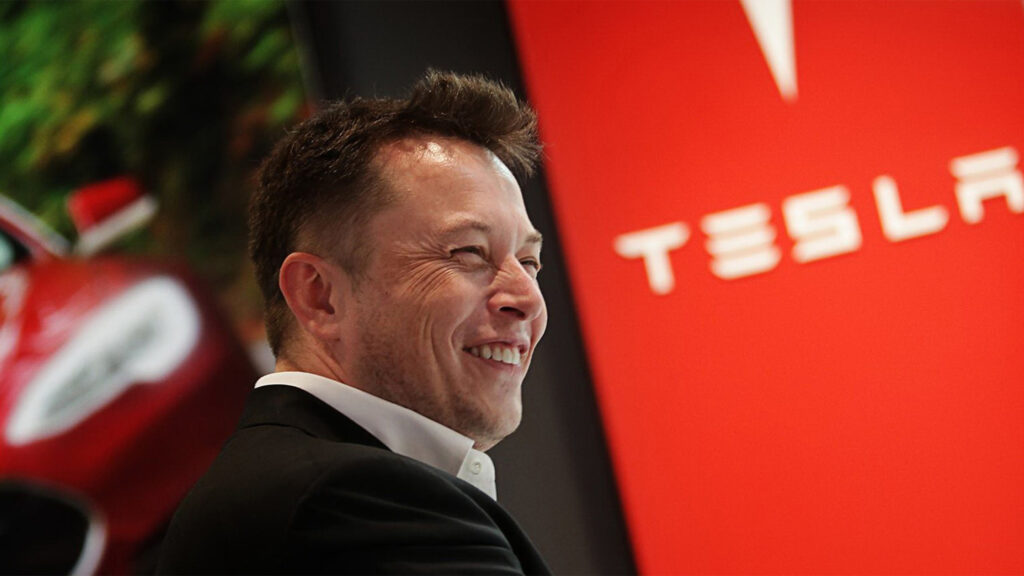
Before the jury selection began, Judge Breyer acknowledged the obvious. He noted that Musk is as well-known a figure as “the President of the United States,” and finding someone without an opinion about him would be nearly impossible, even if you “searched the entire country.”
As a public figure he evokes strong feelings, and it is about him that people have clearly formed opinions. The question, and courts understand this clearly, is whether they can set them aside.
The Essence of the Lawsuit and the Future Trial
The trial will begin on March 2nd. It is the result of a class-action lawsuit filed shortly after Musk completed the purchase of Twitter. Investors allege that his public wavering on social media before the deal was an intentional scheme to lower Twitter’s stock price before finalizing the $44 billion acquisition.

This case highlights not only the legal aspects of corporate deals but also the unique challenges associated with litigating against extremely famous and polarizing personalities. The complexity of jury selection demonstrates how deeply the businessman’s public image influences public opinion, which can have a direct impact on the course of justice. The outcome of this process could become an important precedent for similar cases in the future, especially in an era where the actions of major tech company leaders are constantly under scrutiny.