


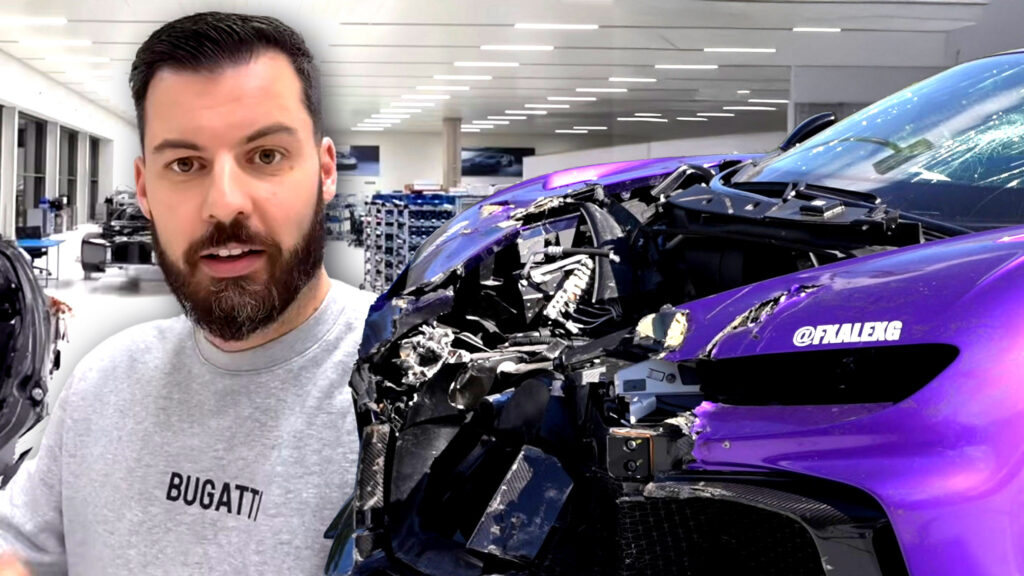
Bugatti CEO Mate Rimac has responded to the story of the independent restoration of a wrecked Bugatti Chiron. He debunked rumors about incredibly high repair and parts prices and also warned of serious safety issues associated with such DIY projects.
Myths and Reality of Bugatti Maintenance Costs
Stories about astronomical Bugatti repair bills, akin to urban legends, have circulated online for years. However, according to company head Mate Rimac, most of these horror stories do not stand up to scrutiny. In his opinion, reality is far less dramatic.
Of course, this is a matter of defining “expensive.” For the average person, sums like $6,000 for a key fob in 2021 or $20,000 for replacing spark plugs and coils are objectively insane. But for those who can afford a Bugatti, such figures are trivialities.
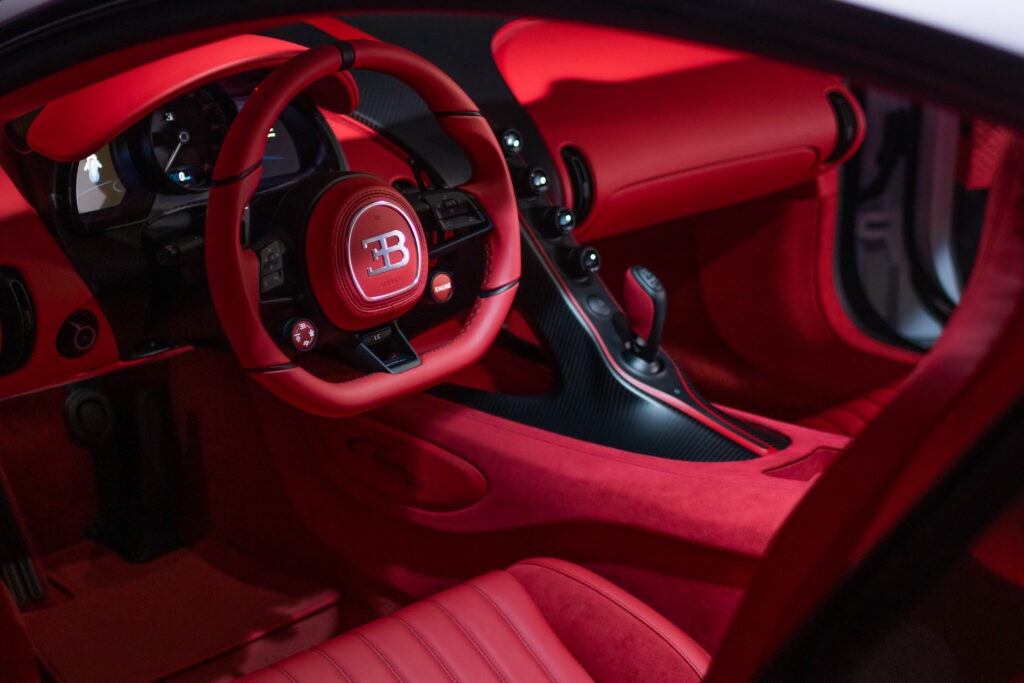

Rimac published a video on social media to demonstrate how complex Bugatti components are. The goal was also to warn independent mechanics about the danger of self-restoring damaged cars. He reminded that the Chiron came with four years of free service and warranty, which essentially reduced maintenance costs during that period to zero.
Of course, one could argue that these benefits are built into the car’s million-dollar price tag, and they would be absolutely right.
What Sparked the Controversy Around the Bugatti Restoration?
Rimac’s video was a direct response to YouTuber Matt Armstrong, who recently undertook the restoration of a heavily damaged Bugatti Chiron Pur Sport. This hypercar belongs to Alex Gonzalez, who bought it at auction after an accident and insurance payout. He is now trying to make it roadworthy again.
Gonzalez publicly asked Bugatti to remove the car from the “blacklist” and even threatened to 3D-print the necessary parts himself. Rimac responded by offering help, but the collaboration seems to have fallen through. For now, the project risks becoming an extremely expensive and potentially dangerous DIY endeavor, lacking both resources and approval from Bugatti’s headquarters in Molsheim.
Debunking Myths About Prices and 3D Printing Capabilities
Among the myths debunked by Rimac was the widespread belief that a set of headlights for a Bugatti Chiron costs 150,000 euros. In reality, according to him, the price is closer to 50,000 euros. He explained that developing and certifying such parts requires tens of millions of euros in R&D investment, spread across only 500 cars produced.
He also made it clear that it is simply impossible to 3D print a Chiron headlight. Technology has not yet reached that level for such specialized components, despite Bugatti itself using 3D printing for some parts, for example in the suspension.
The Danger of Using Non-OEM Parts
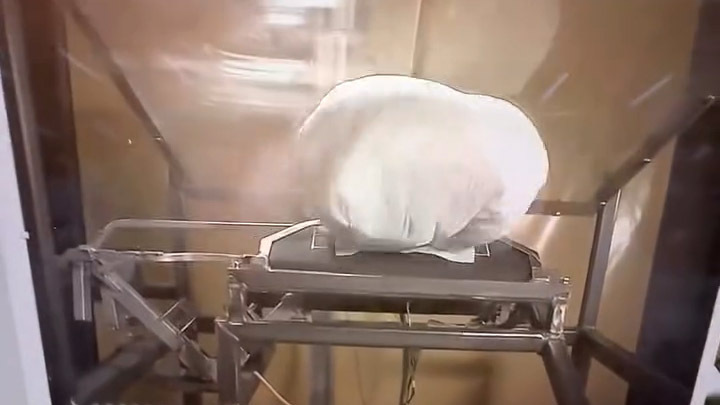

In his video, which garnered 6.8 million views in four days, Armstrong notes that some Bugatti airbags have the same part numbers as those in an Audi A3. However, Rimac is not convinced this makes them interchangeable. He warned that installing non-original parts in a hypercar without proper precautions could be dangerously misleading.
Rimac recounted that during cold-weather testing of the new Tourbillon at -20°C, it was found that the leather dashboard trim could harden so much that it interfered with airbag deployment. Bugatti had to change the leather processing technology to avoid compromising safety—something no independent repair can realistically replicate.
Why Bugatti Cannot Approve Such a Repair
Rimac emphasized that he highly values Armstrong as a creator and enjoys watching his videos. He even said he would be happy to support the project as a fellow car enthusiast. But he also clearly drew a line: Bugatti cannot approve this repair, and there are valid reasons for that.
He explained that the damage to Gonzalez’s Chiron Pur Sport was not merely cosmetic. The accident destroyed the transmission housing and caused structural damage to the monocoque—problems that go far beyond bodywork or component replacement.


According to Rimac, a repair that does not meet factory standards poses a serious risk to both current and future owners, which is why Bugatti refuses to endorse it. The CEO described the Chiron as a “very valuable asset” that requires exceptional care due to its engineering complexity, adding that Bugatti wants its cars to remain on the roads 50 or even 100 years from now.
Reportedly, Bugatti made, in Rimac’s words, a “fair offer” to perform the repair, but Gonzalez refused. The CEO suggested this choice was motivated by a desire for views. Nevertheless, he said the door remains open if the owner changes his mind. Judging by Armstrong’s own comments, he seems aware of how challenging the project will be and that help from Bugatti wouldn’t hurt.
Hopefully, both sides will find a way that preserves the car’s integrity without jeopardizing its future. The Chiron Pur Sport is too significant and complex a car to become a cautionary tale on wheels.
To see the complexity of Bugatti components and the community’s reaction, check social media. For example, the owner of the damaged Chiron, Alex Gonzalez, actively documents the restoration process in his profile, showcasing the scale of the tasks he faces.
This story highlights a classic conflict between exclusivity and accessibility in the world of supercars. On one hand, there is the desire of the owner and enthusiasts to save money and take control of the repair process; on the other—the manufacturer’s duty to guarantee safety, the integrity of the engineering design, and the longevity of its creation. Bugatti’s position, led by Rimac, who is himself an innovator in the field of electromobility, shows that even in the age of digital technology and open access to information, some barriers—engineering, technological, and legal—remain insurmountable for DIY repair. The future of this particular Chiron remains in question, but the discussion it has provoked has undoubtedly clarified many aspects of servicing and owning a car of this caliber.