


Mazda’s Secret Experiment
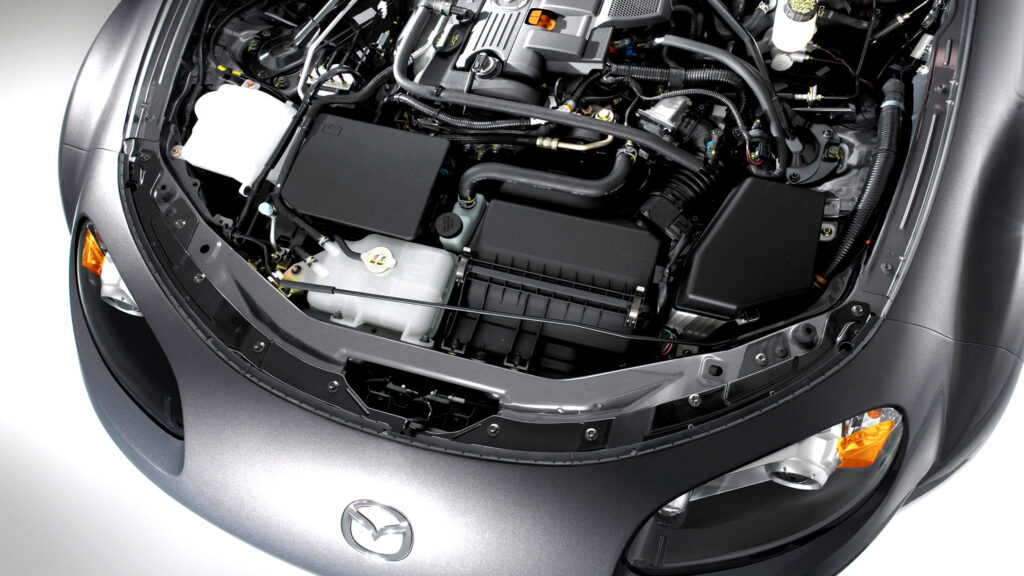
One of the most common complaints about the Mazda MX-5 has always been its underpowered engine. This issue has been debated for decades, inspiring enthusiasts to perform numerous engine swaps. As it turns out, about twenty years ago, Mazda itself conducted a little-known public experiment, as revealed by a senior brand executive.
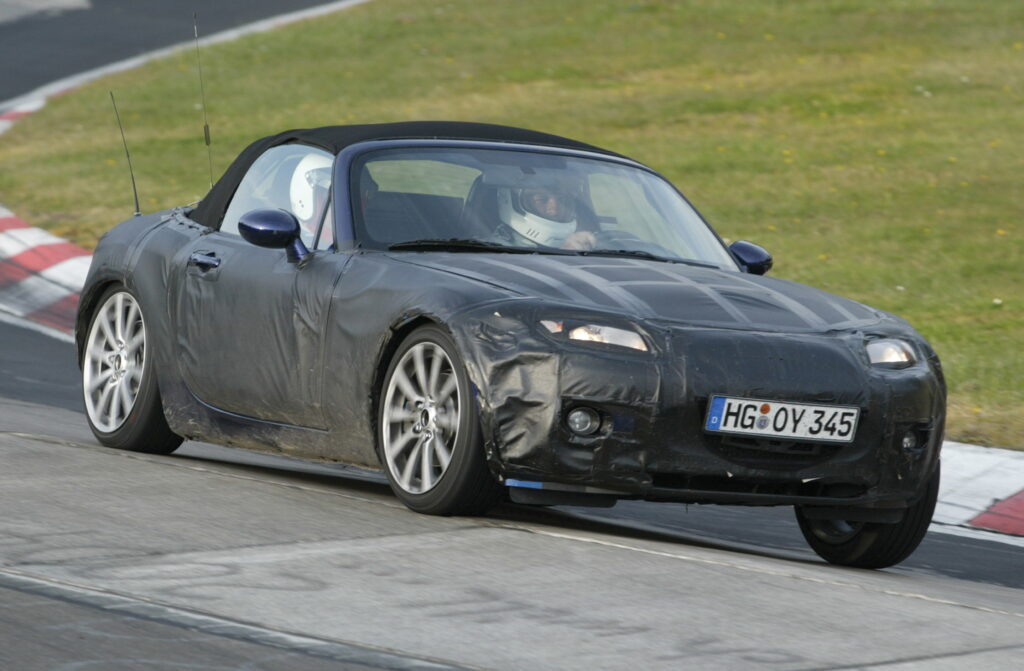
Engineers installed a V6 engine under the hood of an MX-5 prototype but encountered two key obstacles that halted the project.
Mazda Confirms New MX-5 NE Will Be Electrified, Just Not Fully Electric
While speaking with the Dutch publication AutoRAI about the future of the new NE generation, Christian Schultze, Director of Research and Operations at Mazda Motor Europe, revealed that the experiment took place “about twenty years ago.”

Prototype Technical Details
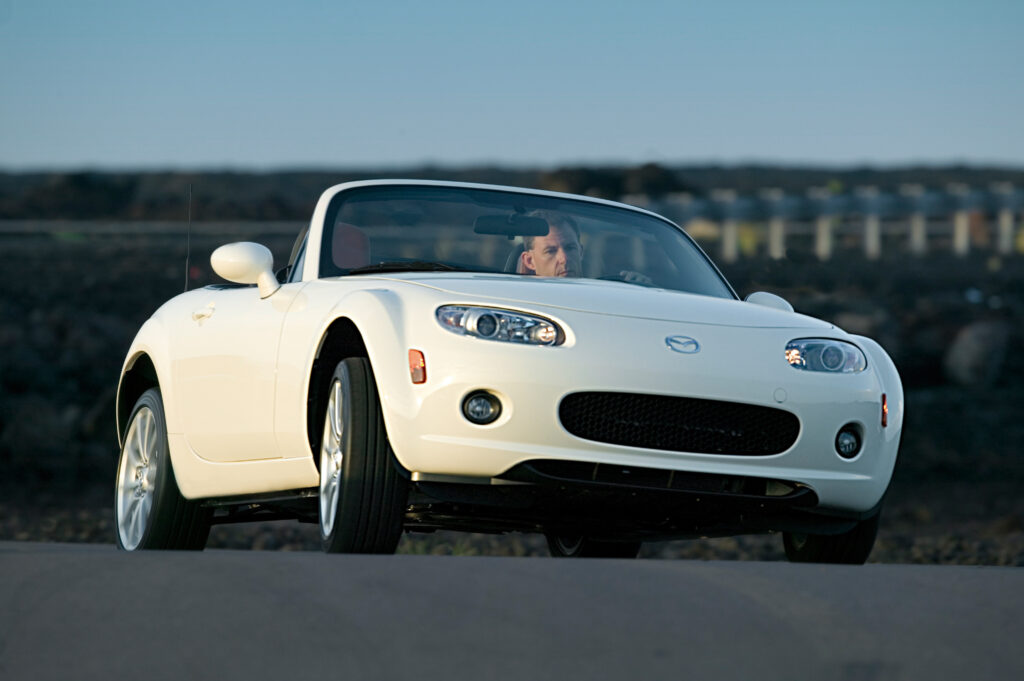
If the timeline is accurate, this happened at the transition between the NB (1998-2005) and NC (2005-2015) generations. It is more logical that Mazda was testing the idea on a future platform rather than one about to be discontinued.
Details are scarce, but Schultze revealed several key points. Discussing the possibility of installing a 2.5-liter engine in the new NE generation, he recalled:
Interestingly, we already tried something similar about twenty years ago. Back then, our engineers built a prototype with a 2.5-liter V6 in their spare time. They did it here, in the workshop, purely out of enthusiasm. Technically, it was a fascinating project.
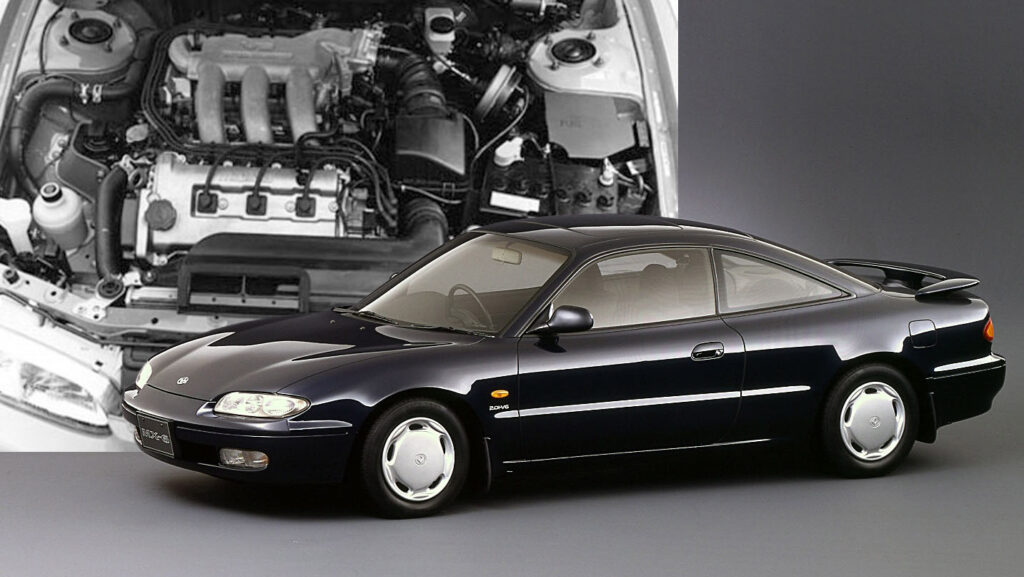

Although not explicitly stated, it was likely the same K-Series engine that Mazda used in models like the 626 and MX-6. There were several versions, with the most powerful being the Japanese KL-ZE, producing 200 hp and 165 lb-ft of torque. The more common global KL-DE version offered about 164 horsepower and 160 lb-ft of torque.
These figures are not staggering, but they are significantly higher than the 140 hp and 119 lb-ft available in the NB model of that time.
Advantages and Disadvantages of the Solution
According to Schultze, “from a driving experience perspective, it was definitely interesting.” Importantly, Mazda achieved similar figures (170 hp / 140 lb-ft) in the NC generation with a naturally aspirated four-cylinder engine. The key difference with the V6 would have been a flatter torque curve.
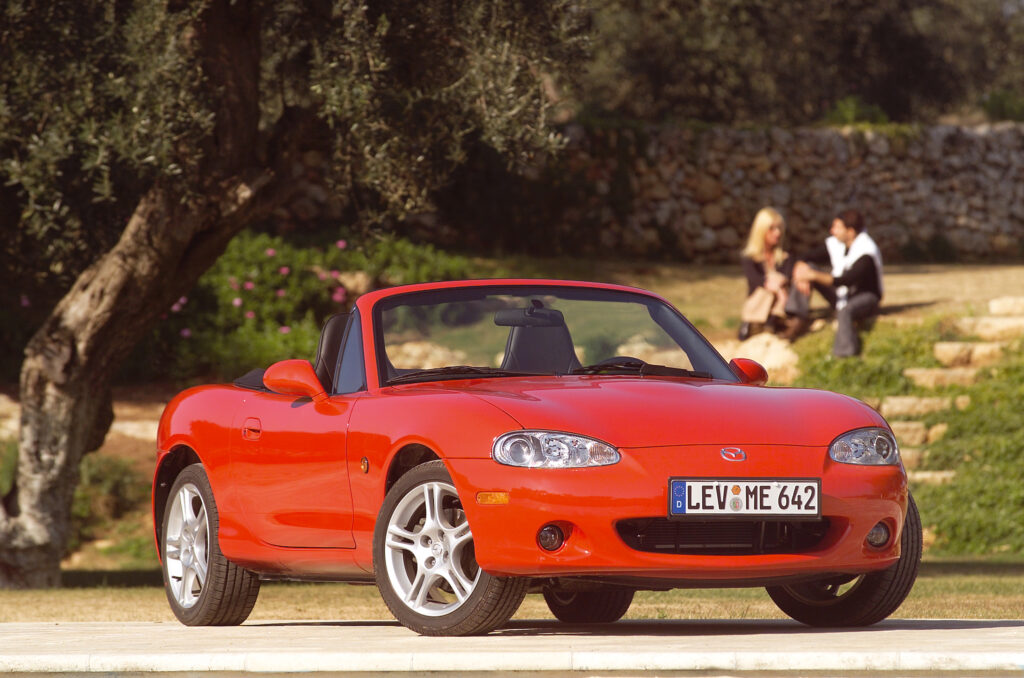

However, Schultze noted two main problems that stopped the project. The first and most important was that the engine did not fit. “The problem, however, was the layout. The engine didn’t fit well under the hood; it was simply too tall. The result was not visually appealing,” he says.
Mazda’s Rotary Sports Coupe Plan Faces A Roadblock It Can’t Engineer Around
Secondly, it would have changed the car’s weight distribution. A 2.5-liter engine is naturally heavier than a 2.0-liter or smaller one. Mazda did not want to completely redesign the structure for a heavier unit.

The Future of the MX-5 and the Challenges of Electrification
Now the question arises of how Mazda will handle the weight of batteries and electric motors if the next MX-5 is electrified. For now, this decision seems to be postponed for at least a few more years.
The story of the V6 prototype clearly demonstrates Mazda’s philosophy regarding the MX-5, where balance, weight, and pure driving feedback have always been prioritized over raw power. The abandonment of this experiment underscores how important it was for the engineers to preserve the car’s original spirit. Today, as the industry moves towards electrification, Mazda faces a similar dilemma: how to integrate new technologies without sacrificing the qualities that made the MX-5 an icon. The experience of the past is likely to be a key lesson for future decisions regarding the powertrains of this legendary model.