


Here are the key points from the latest data on the new car market in the US:
The New Normal: $50,000
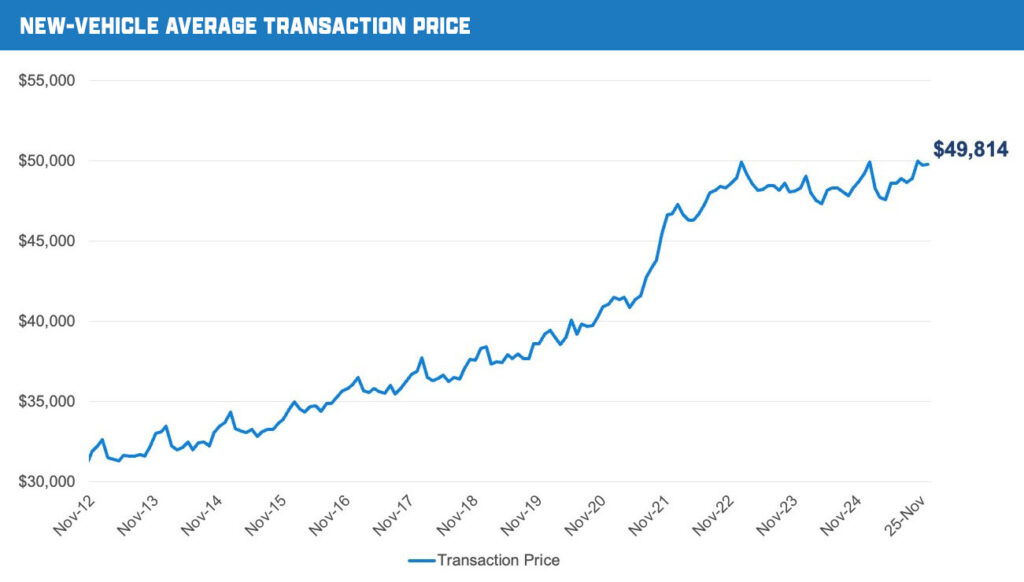
For those hoping that falling interest rates, greater incentives, or simply consumer fatigue would finally bring new car prices back to a reasonable level, experts have bad news. According to the latest data from Kelley Blue Book, the average transaction price for a new car in the US reached $49,814 in November, and there are no real signs of it decreasing.
This figure is 1.3% higher than a year ago and virtually unchanged from October, indicating that the industry has established a comfortable rhythm where fifty thousand is the new normal.
Prices typically peak in December, meaning the holiday season could raise the bar even higher as buyers gravitate towards well-equipped pickups, luxury SUVs, and cars that require a six-figure income and minimal financial stress.
Fewer Manufacturer Incentives
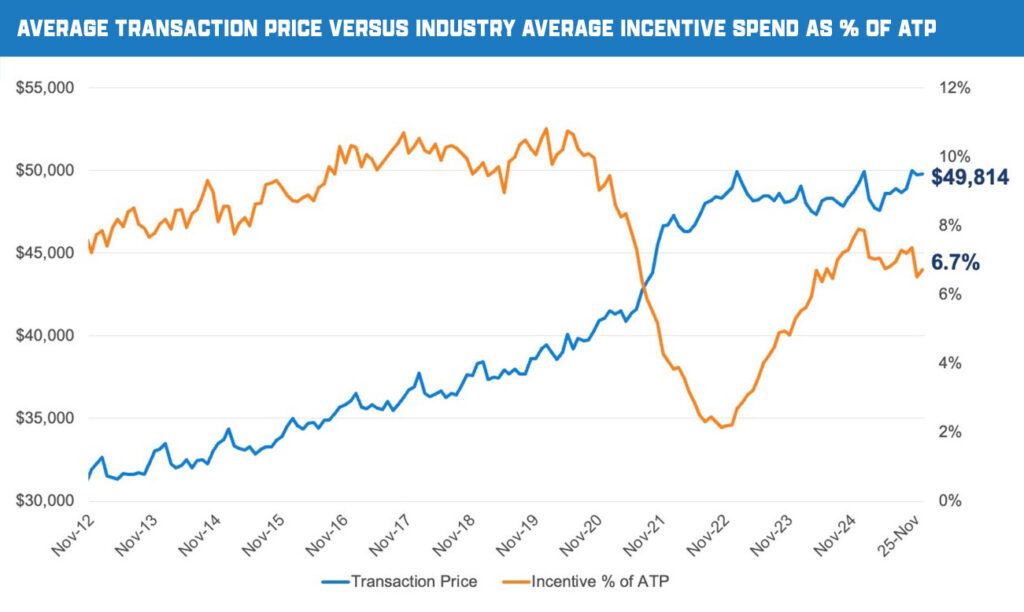
Manufacturer incentives still exist, but they no longer play as important a role as they once did. In November, the average incentive amount was 6.7% of the average transaction price, less than the nearly 8% a year ago.
Automakers simply don’t need to aggressively lower prices when buyers continue to choose expensive trims with panoramic roofs, huge screens, and luxury wheels.

Disappearance of Affordable Cars
The data clearly shows one thing: cheap cars are disappearing from the sales structure. Cars with a Manufacturer’s Suggested Retail Price (MSRP) of less than $30,000 accounted for only 7.5% of sales in November, sharply down from 10.3% a year earlier.
Meanwhile, more than one in ten cars sold cost over $75,000. The most popular models surviving in the under-$30,000 category remain familiar names like the Toyota Corolla, Chevrolet Trax, and Hyundai Elantra, holding on like endangered species.
While transaction prices may have stabilized for now, the average Manufacturer’s Suggested Retail Price (MSRP) continues to rise slowly, reaching $51,986 in November. This is 1.7% higher than last year.
Rewarding Expensive Pickups
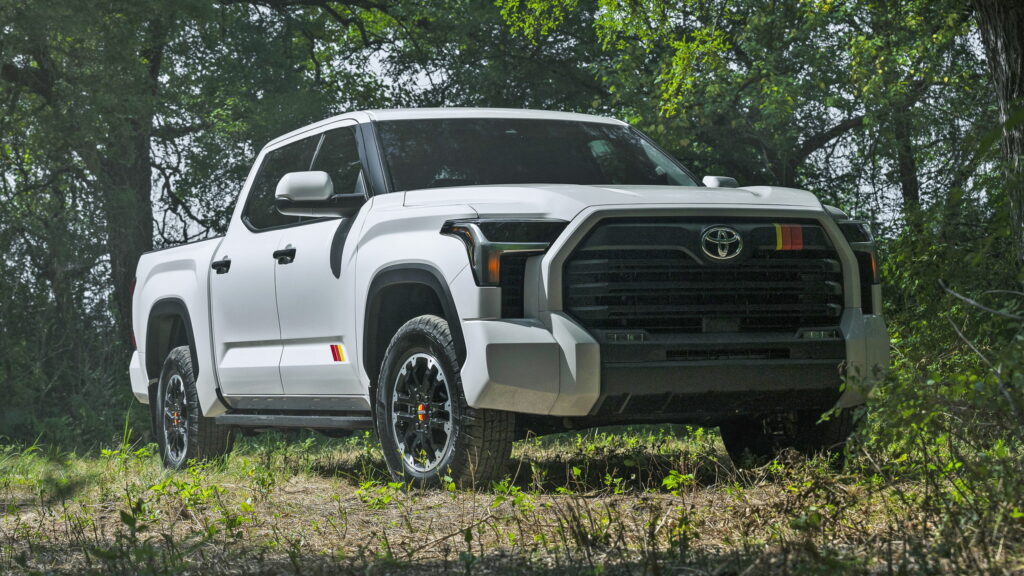

Full-size pickups continue to be a primary driver of price inflation. They have cost an average of over $70,000 for the third consecutive month and accounted for over 14% of all sales in November, with nearly 183,000 units delivered. This helps explain why the industry-wide average price continues to rise even as compact and midsize car segments remain relatively stable.
The Electric Vehicle Situation
Electric vehicles add another twist. The average transaction price for an EV dipped slightly compared to the previous month to $58,638 but remains 3.7% higher year-over-year. Incentives jumped to over 13% of the price as sales softened again, falling more than 40% compared to last year.
The average transaction price for a Tesla rose to $54,310 in November, despite a 22.7% year-over-year drop in sales, largely linked to a sharp decline in demand for the Model 3. Prices for the Model Y, the most popular EV in the US, increased slightly. Cybertruck sales fell to 1,194 units, the lowest monthly figure in 2025, although its average price rose to $94,254.
Who Is Really to Blame?
According to Cox Automotive executive analyst Erin Keating, today’s prices are not just a result of inflation or supply chain issues; they reflect what consumers choose to buy.
It’s important to remember that KBB’s average transaction price data reflects what consumers choose to buy, not what’s available. Many new car buyers today are in their peak earning years and are less price-sensitive, choosing vehicles from the upper market segment to get the features and experience they value most. In November, sales of cars priced over $75,000 exceeded sales of those under $30,000, highlighting this preference for premium products.

The conclusion is simple. Prices are high because buyers keep buying expensive. Until that changes, the average American driveway will continue to look alarmingly expensive.
One can only hope this trend does not steer automakers away from developing and producing more affordable models, which less affluent Americans still need.
Prices by Manufacturer and Segment
The data also shows detailed dynamics of transaction prices by automaker, brand, and different vehicle segments. For example, the average transaction price for the Tata Motors group (which includes Land Rover) exceeds $103,000, and Porsche exceeds $122,000. The most accessible brands remain those like Mitsubishi, Kia, and Hyundai. Among segments, the highest prices are for high-performance and luxury cars, while compact cars and crossovers remain relatively budget-friendly, although their market share is shrinking.
This structural market shift, where manufacturers and dealers earn greater profit from each unit sold, could have long-term consequences for personal transportation affordability. Concurrently, against the backdrop of high prices, demand for used cars and long-term leasing services is growing, which may shape new trends in the future. Notably, even despite significant incentives, electric vehicle sales are falling, which could signal temporary market saturation or that issues of cost, infrastructure, and technology for the mass consumer are not yet resolved.