


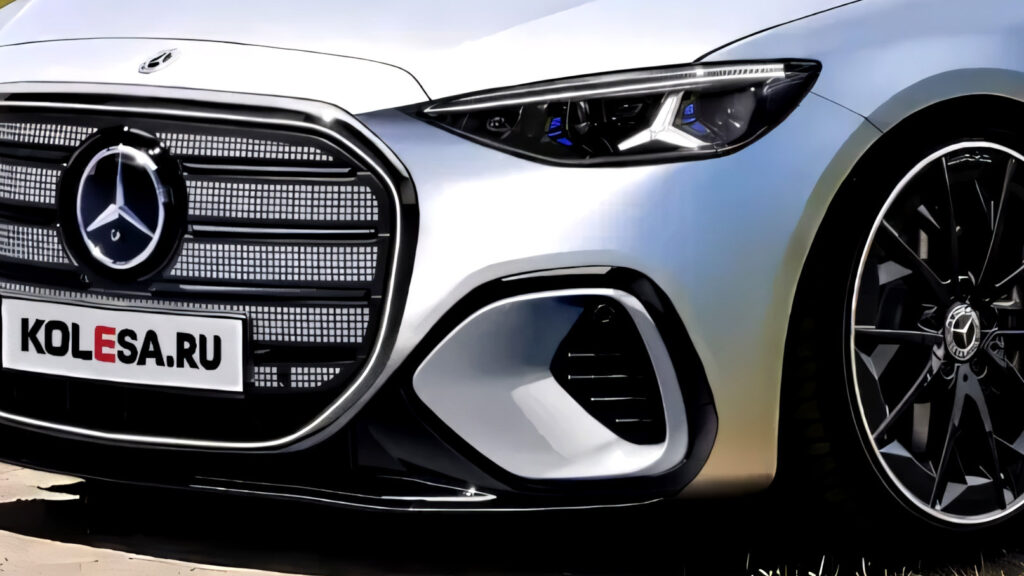
The future Mercedes-Benz C-Class EQ electric sedan is preparing for its premiere
Following the recent presentation of the new all-electric BMW i3, the attention of the automotive world is gradually shifting to its future competitor — the Mercedes-Benz C-Class EQ. This model, whose presentation is scheduled for April, is expected to become a direct rival to the electric “3 Series” from BMW and will inherit many technologies and powertrains from the GLC EQ electric SUV.
As with the i3, which will be sold in parallel with the internal combustion engine model, the C-Class EQ will not replace the regular C-Class but will coexist with it. Prototypes have been undergoing testing for months, and some journalists have even had the chance to get behind the wheel of nearly production-ready cars.
Updated design and aerodynamics
The most noticeable changes compared to the fuel-powered version will occur at the front. The electric vehicle is expected to receive a light grille composed of hundreds of LEDs, similar to the one installed on the GLC EQ. Large grilles remain a controversial design decision, but they will certainly give the electric C-Class a unique look on the road.
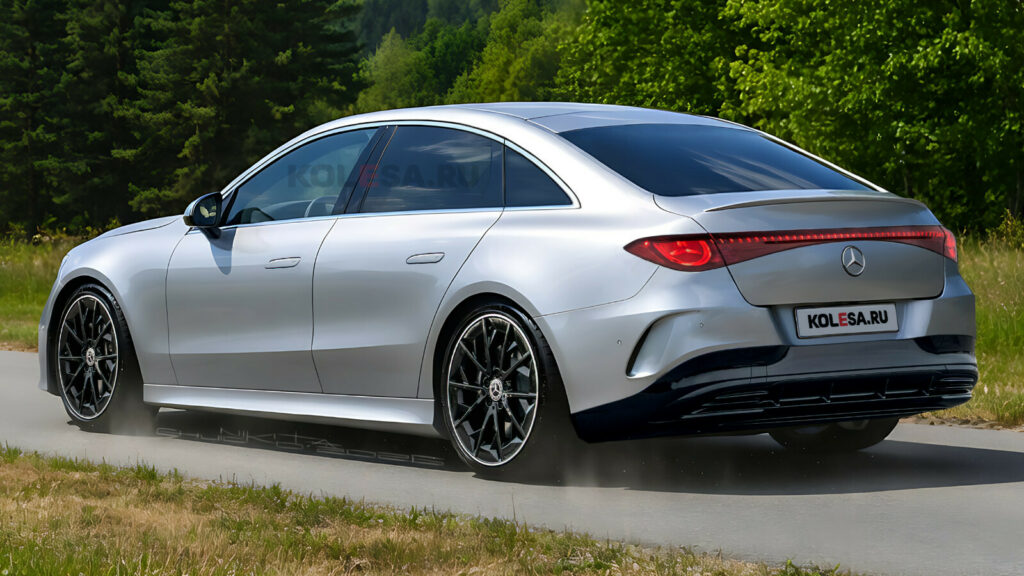

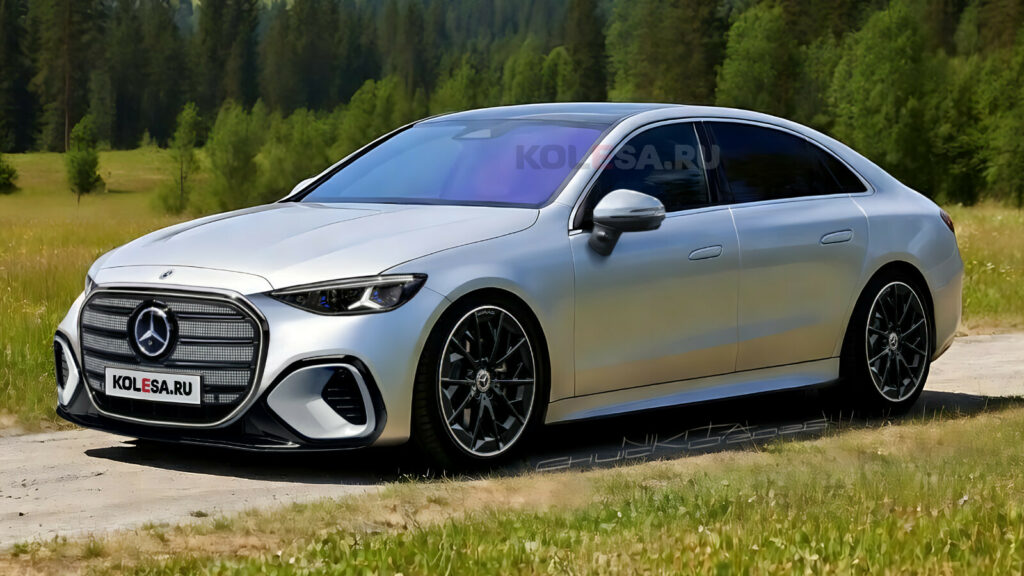
During prototype testing, it was noted that the car’s front end is positioned more vertically than that of the current C-Class, and the rear window is set at a noticeably steeper angle. This elongated rear end gives the sedan features reminiscent of the EQS and EQE models, which have often been criticized. However, unlike them, Mercedes seems to be returning to a more classic silhouette with a long hood, gradually moving away from the experimental design language of the EQ lineup.
The car will also be lower and slightly longer than the ICE version, with a longer wheelbase and wider track. This should provide more interior space for passengers.
Technical basis and specifications
The new sedan will use the Mercedes-Benz MB.EA architecture, which also underpins the GLC EQ and features an 800-volt electrical system technology. The platform will likely support a two-speed transmission for improved efficiency and performance, as well as optional rear-wheel steering and adaptive air suspension borrowed from higher-end models.
Powertrain details are not yet fully confirmed, but the battery lineup will most likely mirror the GLC EQ, offering options from 64 kWh to 94 kWh. One of the starting modifications, the C 400 4MATIC Electric, is predicted to provide a range of up to 450 miles (724 km) on the WLTP cycle. This is less than the 559 miles (900 km) of the BMW i3, but still places Mercedes among the segment leaders in this indicator. Fast charging will also be competitive with a peak DC power of up to 330 kW.
Power will be provided by a dual-motor setup producing approximately 482 hp and 800 Nm of torque, paired with all-wheel drive. Acceleration from 0 to 100 km/h should take less than 4.5 seconds. The estimated price of the model will range from $50,000 to $60,000 USD, with a full market launch expected in late 2026.
The arrival of the C-Class EQ is an important step for Mercedes-Benz in the fight for market share in the premium electric sedan segment. Competition with the BMW i3 will be fierce, as both models offer high technology and long range. Mercedes’ success may largely depend on how successfully it manages to combine the brand’s traditional elegance with the new capabilities of electric propulsion, while avoiding the controversial design decisions characteristic of previous EQ models. The electric vehicle market continues to develop rapidly, and such launches help shape the future of the premium segment.