 by
by Cars are becoming increasingly complex, and with them, the web of wiring that powers their functions is also becoming more complicated. Wiring harnesses have always been large, heavy, and tangled, and now they are becoming even more complex as manufacturers equip new models with more technology than ever before.
Mercedes-Benz’s New Approach
To solve this problem, Mercedes-Benz has proposed a new approach that could simplify wiring organization in the trunk or rear door area. To reduce the number of wires running to these moving panels, the company has filed a patent for a surprisingly analog solution. This design may not reinvent the wheel, but it could help shed excess weight and optimize certain electrical connections.
The new patent, first discovered by CarBuzz, was registered with the German Intellectual Property Office. It describes a spring-loaded mechanical switch designed to be placed inside moving panels such as rear doors.

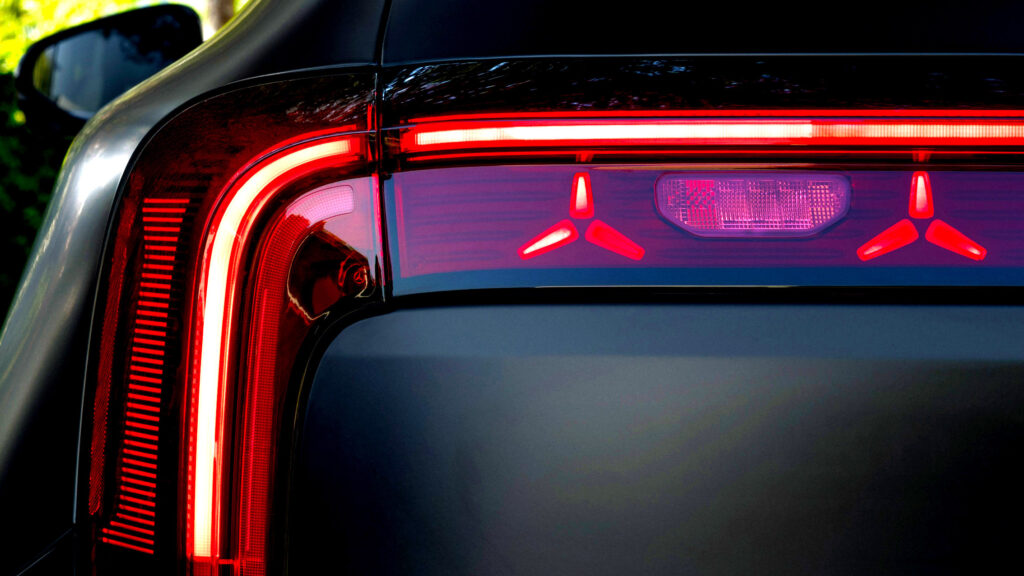
Instead of running wires through flexible conduits, the switch would transmit power to the rear lights via physical contact points. This solution would be particularly useful for vehicles whose taillights move together with the tailgate, requiring longer wires to be routed to them. Those flexible protective wiring conduits near the trunk hinges exist precisely to accommodate this movement, adding cost, bulk, and additional potential failure points over time.
Technical Details and Challenges
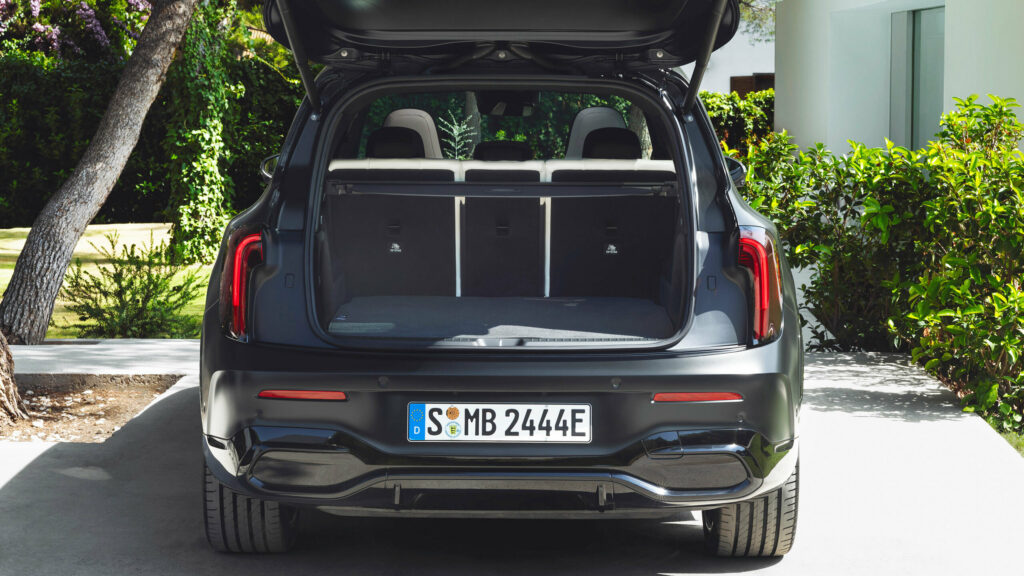
The patent includes an image resembling the rear of the current GLS, whose taillights split into two parts when the tailgate is open. In this case, the switch could supply power from the outer taillight sections to the rest of the light. Shorter wiring paths could then be routed to the switching hardware, rather than snaking through the tailgate itself.
The use of such spring contacts is not a new idea and has been applied for decades, although it is uncommon in the automotive field. It could work well, helping to save a small amount of weight and complexity by reducing the number of wires going into the tailgate.

The complexity lies in the operating conditions. Tailgates are prone to getting dirty, especially on vehicles that are driven a lot in bad weather or off-road. Electrical contacts in these locations must be well-protected and self-cleaning to remain reliable over time. If not, the entire system could fail due to something as minor as a layer of dust.
The Future of the Innovation
No current Mercedes model uses such switches, and the fact that the automaker has this patent does not mean its future cars will implement them. While the concept is smart, translating it into a practical and reliable solution may require significant effort from the company’s development team. Such investments may not pay off quickly, so it’s hard to imagine this appearing in mass production anytime soon.
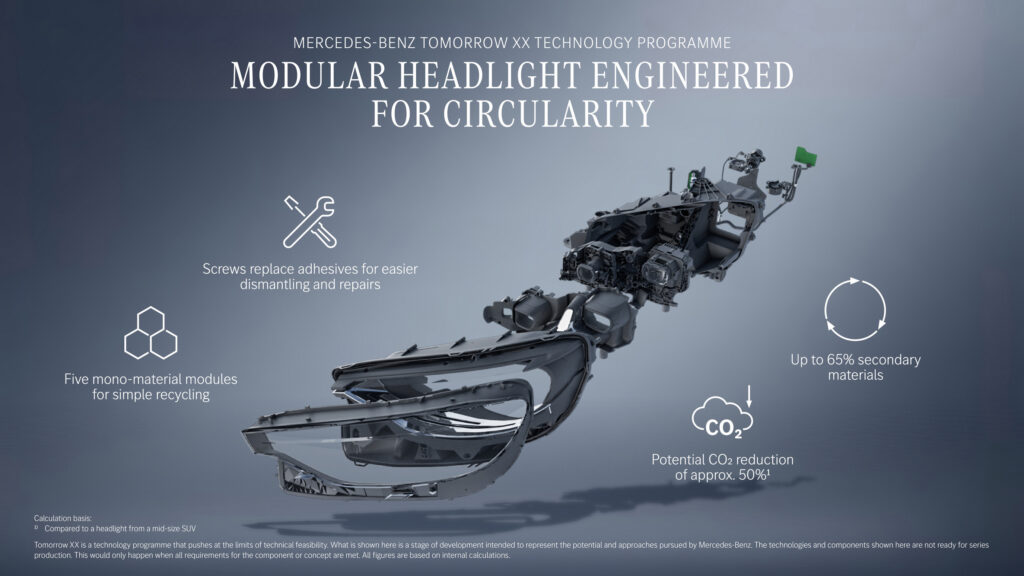
Nevertheless, this idea aligns with Mercedes-Benz’s recent push towards creating more modular, repairable components. This approach aims to reduce waste by allowing individual elements to be serviced rather than replaced entirely, including headlights.
The overall trend in automotive manufacturing is towards simplification and lighter designs, despite the addition of new features. Mercedes’ patent demonstrates how engineers are seeking solutions to old problems in new contexts. The success of this particular development will depend on its ability to withstand the harsh conditions of daily use, which is always the ultimate test for any automotive technology. If the company can overcome the reliability challenges of the contacts, it could become a small but significant step in the fight against the growing complexity of automotive electronics.