


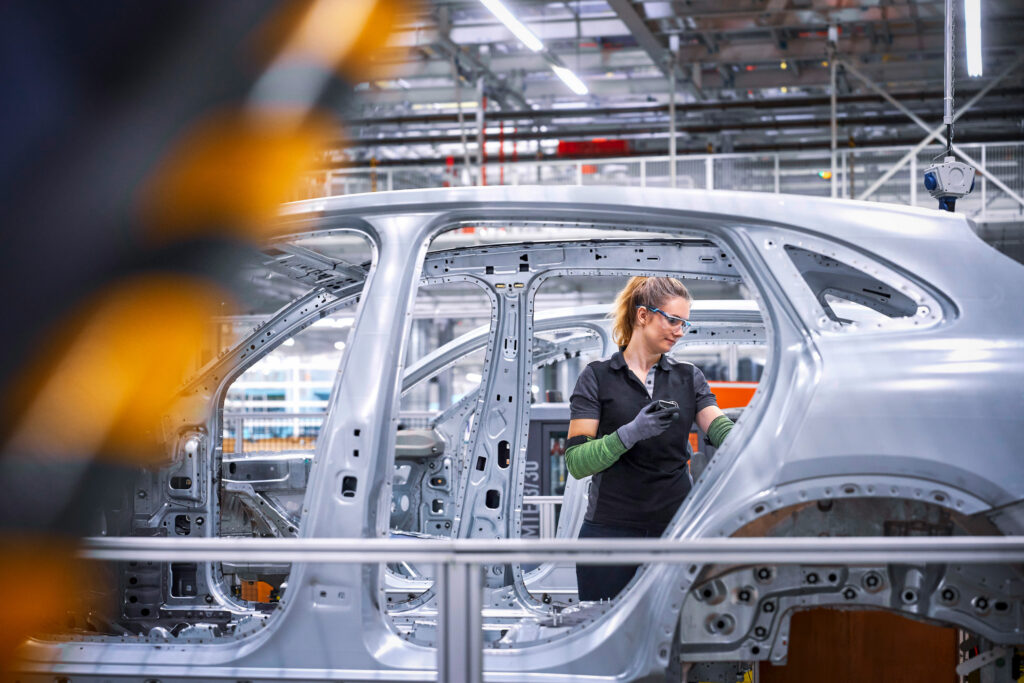
Mercedes disappoints German workers: bonuses delayed, and the workweek may increase
Mercedes employees in Germany are dissatisfied with the new changes in the company. Instead of receiving a bonus next month, its payment has been delayed by a year. Additionally, the company is considering switching to a 40-hour workweek.
Volkswagen is not the only automaker seeking to increase its competitiveness. According to a new report, Mercedes is also making life harder for German workers. What’s more, they are being asked to work longer hours without additional pay.
This is a bad combination, but Automobilwoche claims that the company has decided to suspend the payment of a bonus that was “a component of the collectively agreed salary.” This is no small matter: the reward amounts to 18% of an employee’s monthly salary.
More: Mercedes had a tough sales year, but one SUV flew off the shelves
The money was supposed to be paid in July, but the publication reports that employees were recently told the bonus has been delayed until next year. This affects approximately 90,000 employees, and the automaker allegedly decided to postpone the payment without consulting union representatives.
Increasing the workweek without compensation
To add insult to injury, the company is considering switching from a 35-hour to a 40-hour workweek. And that’s not the worst part: the change, according to reports, would occur “without additional pay.” This means employees would work approximately 260 extra hours per year for free.
Union reaction and financial difficulties
Unsurprisingly, the union is unhappy. Chairman of the Works Council Ergun Lümali stated:
“This is not a convincing concept for the future.”
He criticized the proposal that the company could increase its competitiveness by forcing employees to work longer hours without pay. Lümali emphasized that Mercedes needs innovation, attractive products, and a skilled workforce.
Like many automakers, the company is facing difficulties due to a multitude of issues: from tariffs and slower-than-expected demand for electric vehicles to problems in China. In 2025, Mercedes-Benz Cars’ adjusted profit before interest and taxes fell from 8.7 billion euros ($9.9 billion) to 4.8 billion euros ($5.5 billion). The group’s overall profit also declined from 13.7 billion euros ($15.6 billion) to 8.2 billion euros ($9.3 billion).
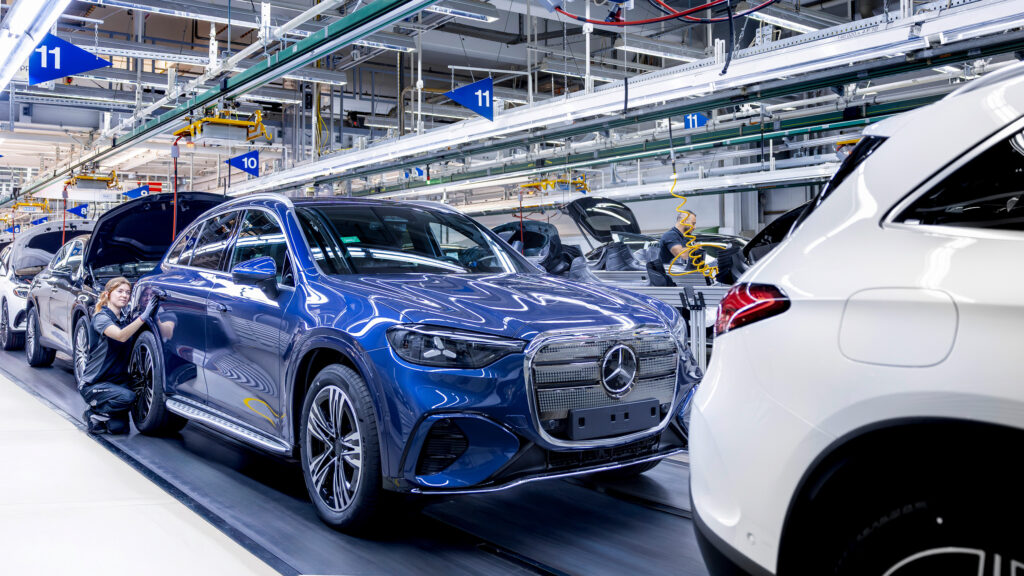

The situation at Mercedes reflects a general trend in the automotive industry, where companies are trying to balance financial efficiency with employee well-being. The delay of bonuses and the proposal to increase the workweek without pay could lead to a serious conflict with unions, which, in turn, could affect productivity and team morale. Amid falling profits and market uncertainty, such measures may be perceived as an attempt to shift the burden of financial difficulties onto the shoulders of ordinary employees, which is unlikely to contribute to the company’s long-term stability.