


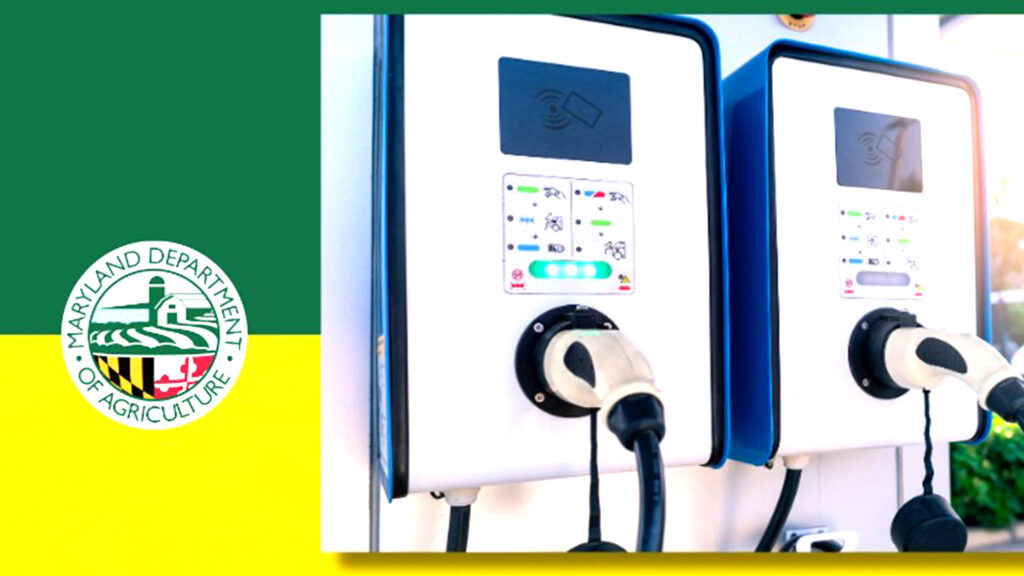
Maryland Introduces an Annual Fee for Each Public Electric Vehicle Charging Station
The state of Maryland, which has long positioned itself as a leader in clean energy with the goal of having 1.1 million electric vehicles on the roads by 2030, is facing significant lag. As of October 2025, the number of registered electric cars does not even reach 150 thousand, which is significantly below the target and the desired pace of transition.
A new law coming into effect could further complicate achieving this ambitious goal, as it is likely to lead to a reduction in the number of available charging stations across the state.
Details of the New Regulation and Costs
Starting January 1, 2026, all public electric vehicle charging devices in Maryland that accept any form of payment will be required to register with the state’s “Weights and Measures” program. The registration cost will be $150 per year for each charging port.
For typical Level 2 installations with four ports, this means an additional $600 in annual state fees. The Maryland Department of Agriculture, which is responsible for enforcing “Weights and Measures” compliance, states that the fee will cover the costs of inspection, verification, and compliance measures.
Maryland’s idiotic $150/yr fee and EV charger inspection program rolls on, despite consumer, industry pushback — Mark Lyon (@markhlyon) November 16, 2025
Implications for Operators and Infrastructure Owners
Independent operators and property owners who host charging stations in apartment buildings, condominiums, workplaces, hotels, or shopping centers have expressed concern over these changes. They argue that the annual fee will negatively impact the economics of maintaining charging devices that have low utilization rates.
Some argue that commercial fast-charging networks are better positioned to absorb these costs, while smaller installations may be forced to shut down entirely. State inspectors are set to begin checking the accuracy of electric meters in the spring of 2026. New charging equipment installed after January will require certification for compliance before being activated for public use.
@SoundMoneyG more Maryland taxes. This time they’re going after EVs. — Dan Oh (@Misfit486) December 1, 2025
Further Developments and Context
This policy raises serious questions about the consistency of state initiatives. On one hand, the state sets aggressive goals for vehicle electrification, and on the other, it introduces financial barriers to developing the necessary infrastructure. Similar regulatory steps could slow the transition to clean technologies not only in Maryland but also set a precedent for other states. The effectiveness of inspection and measurement accuracy measures may be justifiable from a consumer protection standpoint; however, the disparity in fee amounts compared to traditional gas stations appears as a de facto tax on innovation. The ultimate outcome of this policy for charging accessibility, EV adoption rates, and small business economics will only become clear with time.