


Cars with autopilot will receive a special light designation
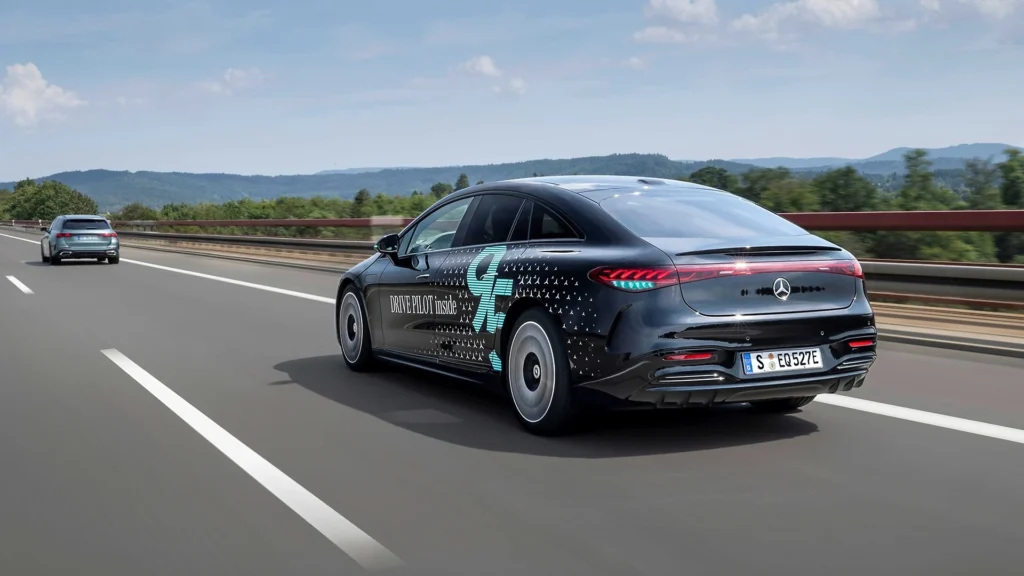
Traffic rules are gradually adapting to a new reality where software shares responsibility with the driver for what happens on the road. With the spread of autonomous driving technologies, automakers will increasingly use turquoise lights to indicate that a vehicle is moving in self-driving mode.
Who first introduced turquoise light?
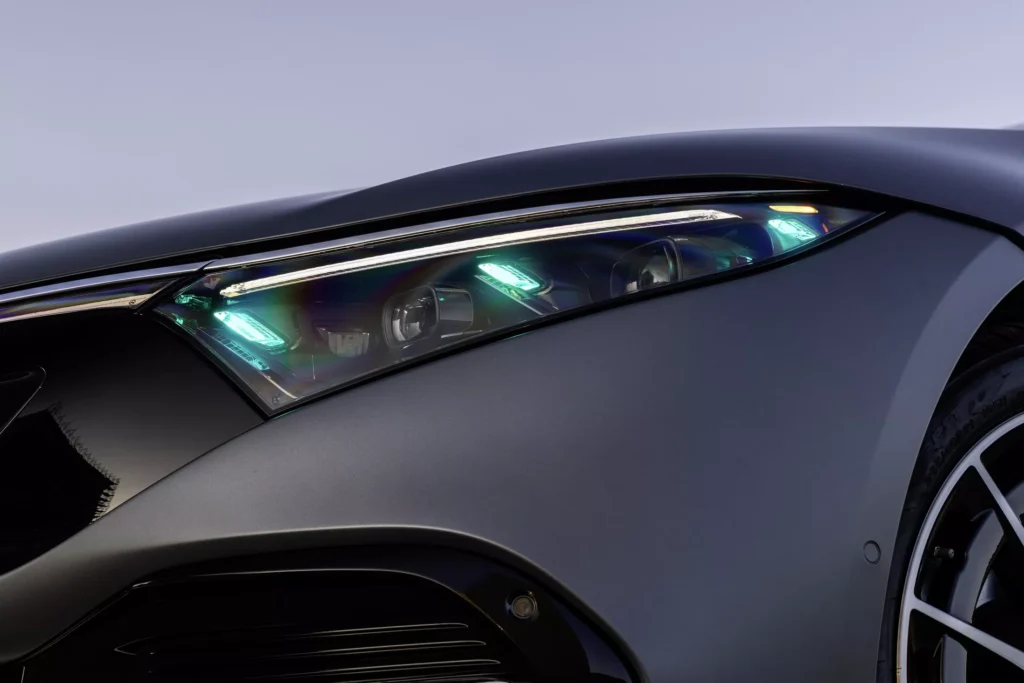
Mercedes-Benz was the first to test this color and has been using it for several years. The German company chose turquoise because it does not conflict with brake lights, turn signals, traffic lights, or emergency vehicle flashing beacons, and it is quickly recognized by other road users. Mercedes also cites studies that showed the turquoise color “performed better than other colors, from both a physiological and psychological perspective” for indicating automated driving.
Situation in the USA and GM’s plans
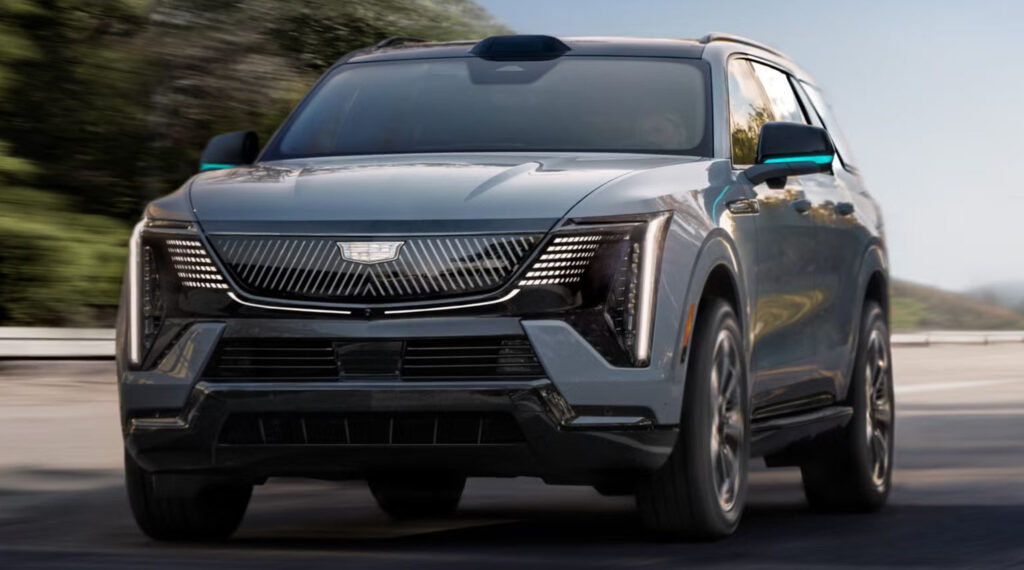
In the USA, Mercedes-Benz began experimenting with turquoise LEDs while testing its Level 3 autonomous driving systems in California and Nevada several years ago. The “eyes-free” system that GM is developing for the Escalade IQ will also use these colored lights, particularly on the side mirrors.
China makes turquoise lights mandatory
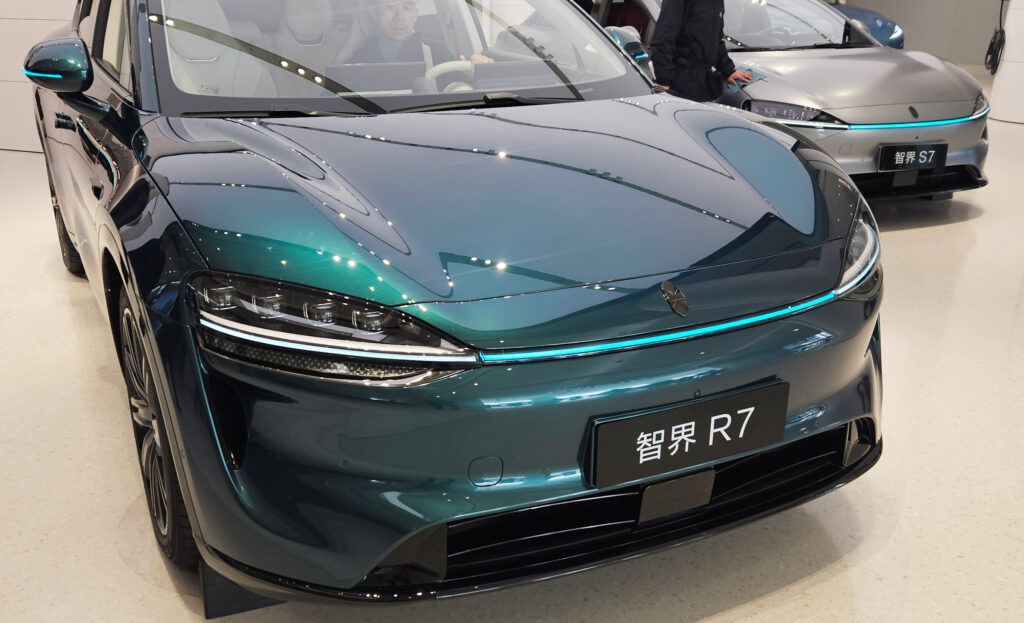
However, as Car Magazine reports, it is in China that the use of turquoise external lights on semi-autonomous vehicles has spread rapidly. The number of vehicles produced in China with such lights is constantly growing, and they will soon become mandatory. The lights turn on when autonomous driving functions are activated and turn off when the driver deactivates the system.
‘Look, Ma, a robocar!’

How will this affect other drivers?
The use of such lights will play an important role in signaling to other road users and police that the vehicle is operating in autonomous mode. While this may encourage drivers to give such vehicles more space, there is also a downside. Some drivers will perceive a car with a turquoise glow as an easy target and cut it off, knowing that the software is forced to yield.

Opinion of Chinese manufacturers and the future
According to Leapmotor founder and CEO Zhu Jiangming, “30 percent of Chinese customers use ADAS for their daily commute to and from work. In the future, I believe you will see blue lights on all cars on the road.”
Since these lights are becoming mandatory in China for vehicles with Level 2, 3, and 4 systems, the rest of the world will almost certainly follow suit in the coming years. The only open question is exactly when this will happen.

The introduction of a unified light signal for autonomous vehicles is a logical step in the development of road infrastructure. This not only increases safety by clearly indicating who is in control of the vehicle, but also creates new social dynamics on the roads. While some drivers will become more cautious, others may try to use the predictability of the autopilot for their own purposes. China, as a leader in the adoption of electric vehicles and autonomous driving technologies, is once again setting a trend that will likely become a global standard, much like the colors of turn signals and brake lights were unified in the past.