


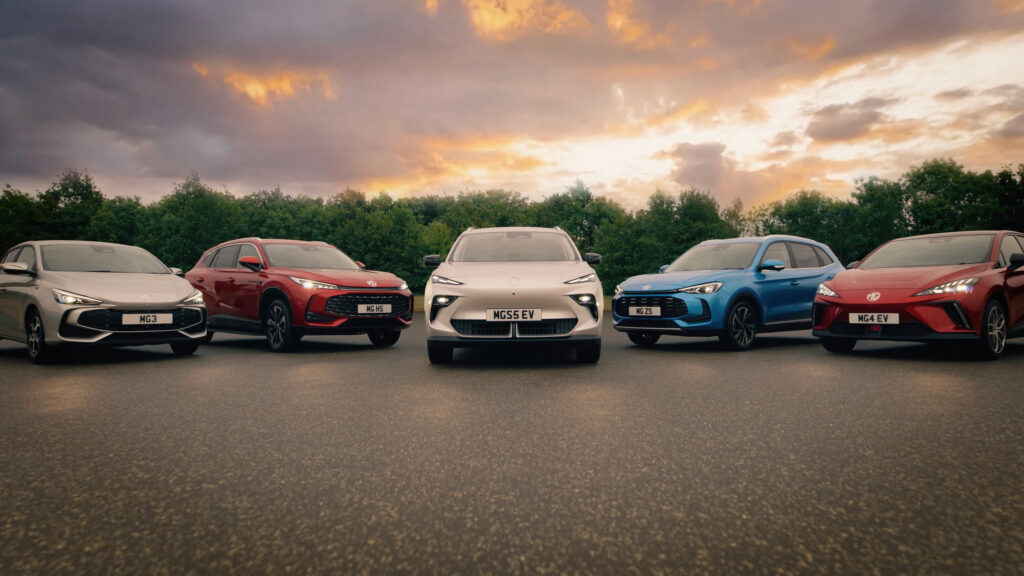
New MG plant in Spain: a strategic move by the Chinese manufacturer
MG, which traces its history back to the 1920s in the UK but later went bankrupt and came under the control of China’s SAIC, has announced plans to build a new plant in Galicia, Spain. This decision is part of the “In Europe, For Europe” strategy.
Investments and production capacities
SAIC Motor, like many other Chinese companies, has long been eyeing European production. Now they officially announce plans to open a new MG plant in Galicia, Spain. The facility will cost around 200 million euros ($233 million or £173 million) and will play a key role in MG’s “In Europe, For Europe” strategy.
The plant is set to begin production in 2028 and will have the capacity to produce up to 120,000 vehicles annually. The facility is expected to create over 2,000 jobs on the continent.
Technologies and localization
MG has not yet disclosed many details about the site, but confirmed that it will have research and development capabilities, as well as “advanced production, key component supply, and smart logistics operations.” They added that the Galicia plant will heavily rely on localized production and supply.
MG’s success in the European market
It is not yet known what exactly will be produced at this plant, but MG is showing impressive results in the UK, where April sales rose by 84.9% to 7,005 units. This allowed them to overtake a number of well-known brands, including Honda, Hyundai, Nissan, and Peugeot. MG also surpassed Renault, Skoda, Toyota, and Vauxhall, among others.
Success is not limited to the UK, as MG is “one of the fastest-growing automotive brands in Europe.” Recently, they celebrated the delivery of their millionth vehicle on the continent.
The brand attributes its success to the launch of new models such as the MG4 Urban and MGS9, as well as pointing to the MGS5 and MGS6 electric vehicles.
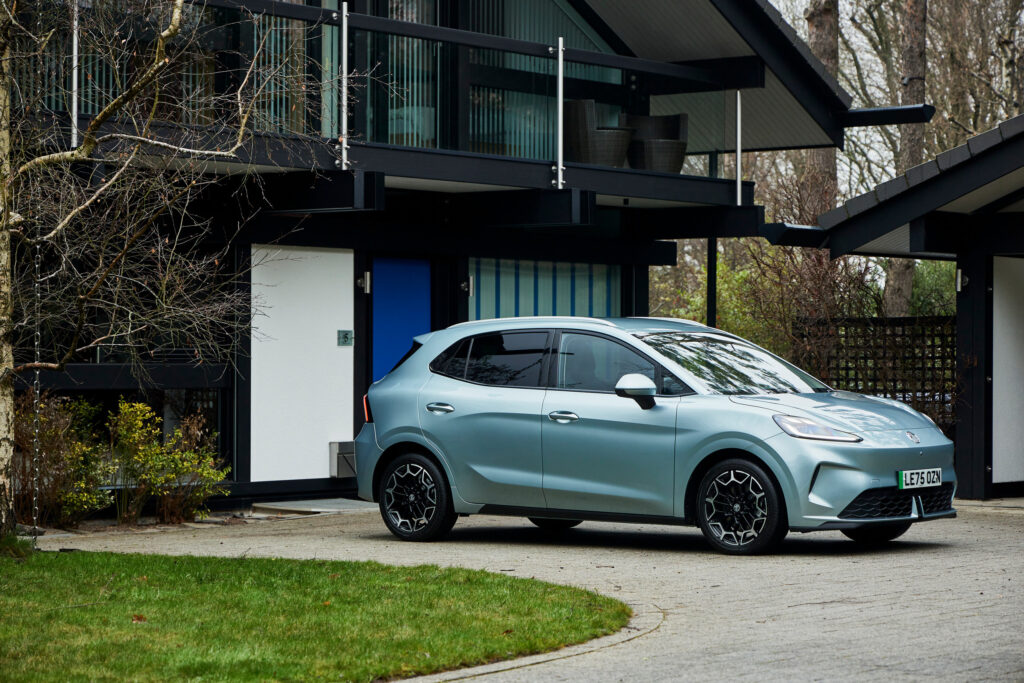

The opening of the plant in Spain is a logical continuation of the expansion of Chinese automakers in Europe. This will allow MG not only to increase production volumes but also to avoid potential tariff barriers that may be imposed on cars imported from China. Localization of production will also contribute to creating new jobs and strengthening the brand’s position in a market where it is already showing significant growth. The choice of Galicia, a region with a developed automotive industry, indicates the company’s long-term plans and its desire to integrate into the European economy.