 by
by Launch of the New Model
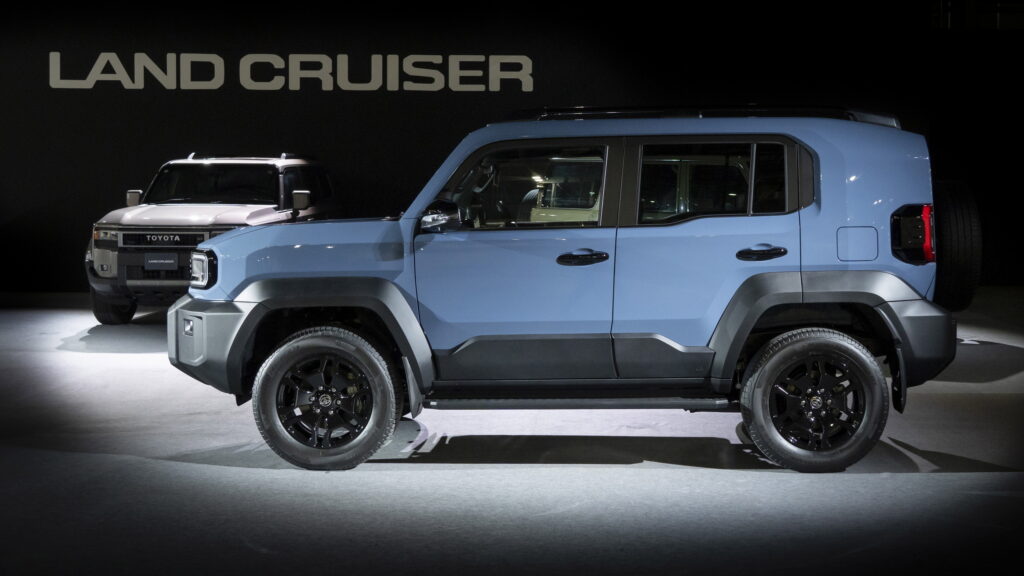
The Land Cruiser name has always been synonymous with reliability, and now its smallest and newest representative is entering the arena. The FJ model has already rolled off the assembly line at a plant in Thailand, with the first deliveries to customers expected this year. This compact yet serious off-roader starts with a familiar gasoline engine, while Toyota, according to reports, is considering alternative options to meet increasingly stringent global environmental standards.
At the start of sales, the Land Cruiser FJ will be available exclusively with a naturally aspirated 2.7-liter gasoline engine. This unit is a true workhorse on a global scale, also found in the Land Cruiser Prado, Fortuner, Hilux, HiAce, and the previous generation Tacoma. In the FJ, it produces 161 hp (120 kW) and 246 Nm of torque, paired with a six-speed automatic transmission and a part-time four-wheel drive system.
Prospects for Diesel and Hybrid

According to a new report from the Japanese publication Best Car, the most likely addition to the FJ’s engine lineup will be a 2.8-liter four-cylinder turbo-diesel. Borrowed from the larger Land Cruiser 250 and Hilux, this engine delivers 201 hp (150 kW) and 500 Nm of torque, effectively doubling the torque figure compared to the gasoline unit and providing a noticeable increase in overall power.
The 2.8-liter turbo-diesel has already proven its compatibility with a 48-volt mild-hybrid system, though it is not yet clear whether the Land Cruiser FJ will receive the electrified version specifically. The off-roader, with a length of 4575 mm, is built on Toyota’s proven IMV ladder-frame architecture, which it shares with the Hilux, Hilux Champ, and Fortuner models.
The Long Wait for Diesel
Diesel enthusiasts inspired by this report may have to be patient a little longer. The turbo-diesel is expected to appear in the lineup no earlier than 2029. This three-year gap appears to be intentional.
The newer engine will give Toyota the opportunity to integrate more advanced exhaust gas cleaning equipment, helping the FJ comply with regulations in markets like Japan until the 2030s. The outdated 2.7-liter gasoline unit may find it increasingly difficult to perform this task.
Expanding Sales Geography
The appearance of a diesel variant could also open up new markets. Toyota executives in Australia have previously indicated that the Land Cruiser FJ would have a strong position in the Australian market if equipped with a powertrain meeting Euro 6 standards.
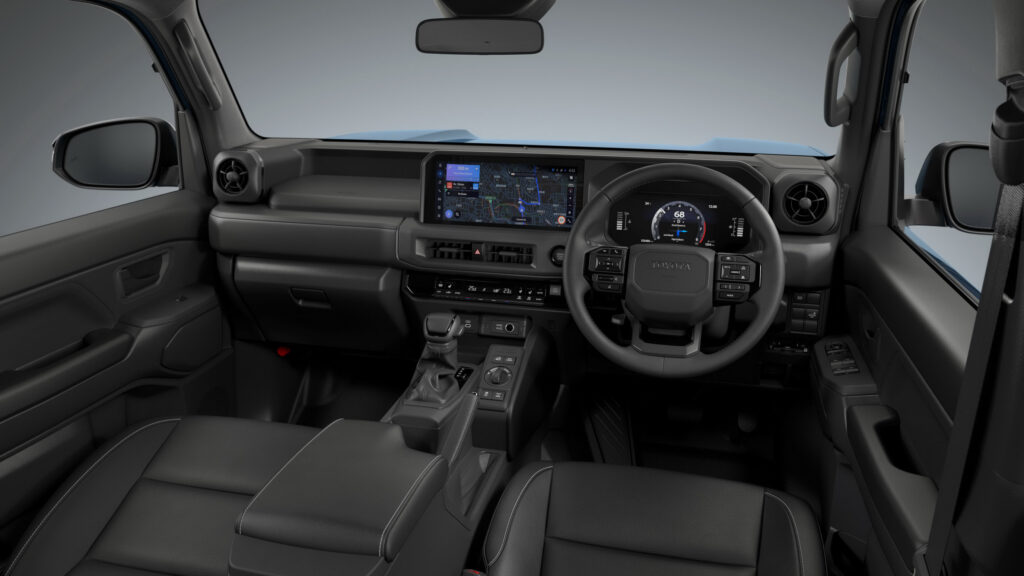
For now, Toyota is keeping its plans mostly secret, focusing on the launch in Japan scheduled for May 2026. Buyers there will have access to the sole VX trim, distinguished by rectangular LED headlights and a rich list of standard equipment.
Wider distribution of the model is confirmed for Southeast Asia, the Middle East, South America, and Africa. North America and Europe, at least for now, remain outside the plans.

Toyota’s strategy for the Land Cruiser FJ demonstrates a cautious and deliberate approach to the global market. The planned enrichment of the model range with a more powerful diesel engine not only meets the technical expectations of off-road enthusiasts but is also a practical step towards compliance with future environmental challenges. The lengthy development and implementation cycle for the new powertrain indicates the company’s desire to offer not just an update, but a long-term solution capable of remaining relevant throughout the next decade. The choice of markets for initial sales emphasizes a focus on regions where the historically strong position of the Land Cruiser brand combines with demand for reliable and durable off-roaders.