 by
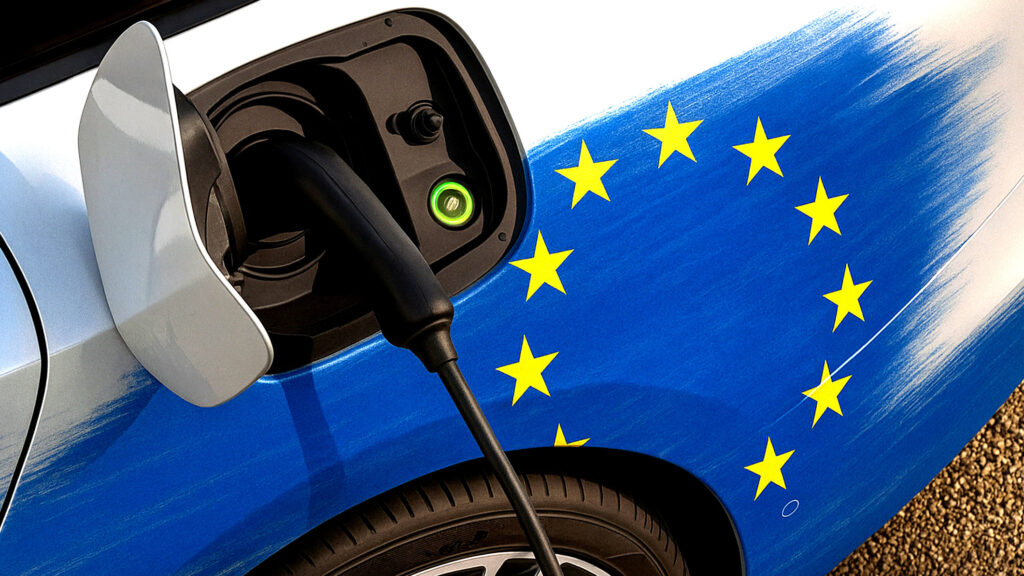
by Six European Union country leaders are calling on the European Commission to soften the strict environmental regulations planned for the automotive industry by 2035. The main reasons for this appeal are:
Review of the Internal Combustion Engine Ban
In 2023, the EU decided to effectively ban the sale of new cars with internal combustion engines from 2035, setting such strict emission standards for vehicle fleets that only zero-emission vehicles could comply. However, a coalition of six country leaders now believes this plan requires serious revision.
Italian Prime Minister Giorgia Meloni, Polish Prime Minister Donald Tusk, Slovak Prime Minister Robert Fico, Hungarian Prime Minister Viktor Orbán, Czech Prime Minister Petr Fiala, and Bulgarian Prime Minister Rosen Zhelyazkov wrote a letter to European Commission President Ursula von der Leyen, urging her to relax the rules.
Their request is to allow the sale of plug-in hybrids, range-extender vehicles, and hydrogen cars after 2035, instead of forcibly transitioning the market exclusively to electric vehicles.
Economic Risks for the European Auto Industry

The leaders warn that the European automotive industry is facing a perfect storm of problems: weak demand for electric vehicles, aggressive Chinese competition, high energy prices, rising labor costs, and upcoming US trade tariffs.
A complete one-time ban on all internal combustion engine options, in their opinion, risks turning Europe into an “industrial desert.” Timing is also a crucial issue. The planned review of emission standards was initially scheduled for 2026 but was moved to the current month after the expected acceleration of the transition to electric vehicles did not materialize.
Automakers such as Volkswagen, Stellantis, and Renault are closely monitoring the situation, as billions of euros in future investments are at stake.
Disagreements Among EU Countries

Italy and Germany have been particularly vocal about protecting their automotive sectors, while France maintains a more pro-electric stance, advocating for a policy of protecting jobs through investments in electrification.
The six leaders are calling for “technological neutrality,” arguing that there is no single one-size-fits-all solution for decarbonization. In other words, banning one technology to save the planet while ceding market share to foreign competitors may not be the smartest long-term move.
Similar Trends Across the Ocean
Looking more broadly, Europe is not alone in questioning strict timelines. Across the Atlantic, California Air Resources Board (CARB) Chair Liane Randolph recently stated that the agency would “rethink” its own 2035 goal for selling only electric vehicles and plug-in hybrids.
The state’s plans have already faced difficulties after Republican senators earlier this year voted to strip California of its authority to set its own vehicle emission standards, including blocking its plan to end the sale of gasoline-powered cars.
These global discussions point to a complex balance between environmental ambitions and economic reality. The transition to clean technologies is proving to be a much more nuanced process than might have been expected, with different countries and regions seeking their own path through the maze of technological possibilities, market forces, and political will. Success will depend not only on the speed of the transition but also on its sustainability and ability to preserve industrial competitiveness in a new, decarbonized world.