 by
by The State of the Detroit Auto Show
Once the main event of the American automotive calendar, the Detroit Auto Show has lost some of its former weight in recent years. Like many major auto shows around the world, it has had to rethink its identity in the post-COVID reality. While preparations for the 2026 edition next week are in the final stretch, only one global premiere has been officially confirmed.
Participants and Expectations
Among the major automakers that will have stands in Detroit are Subaru, General Motors, Ford, Stellantis, Toyota, and Kia. They will be joined by numerous dealers presenting a wide range of cars from brands such as Honda, Hyundai, Audi, Ferrari, Ineos, Mercedes-Benz, Aston Martin, Jaguar, Polestar, Land Rover, and Mini.
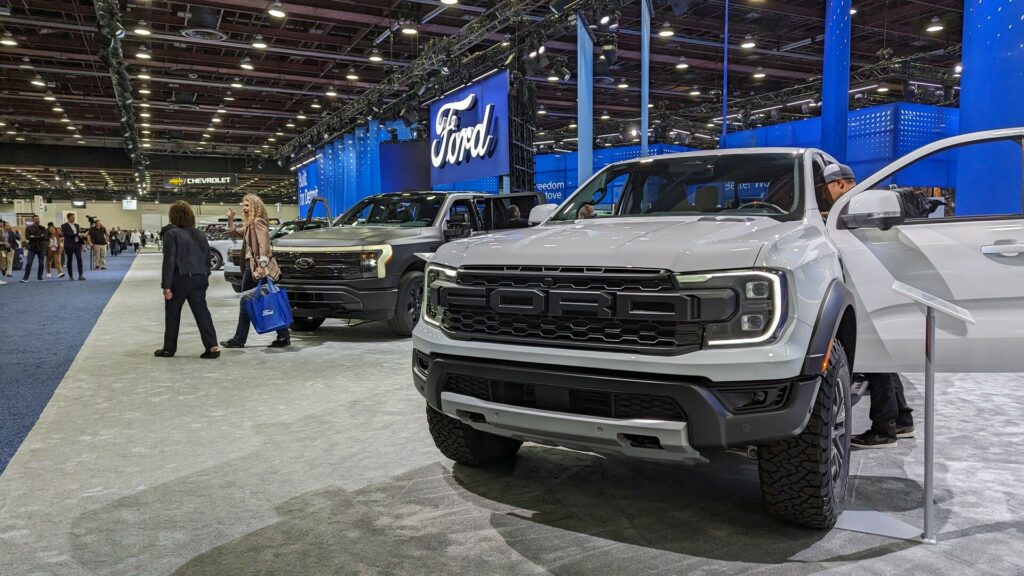
A new version or special series of the Ford Bronco is expected to be presented at the event. The company plans to show the model at a separate media meeting on January 13. Although the premiere itself will not take place on the show grounds, Ford will remain in the spotlight, as a presentation of the Red Bull Racing Formula 1 car for 2027 is also planned at its Detroit headquarters on January 15, possibly alongside a new sports car.
Ram is expected to show the new 1500 SRT TRX and diesel Power Wagon pickups at the event, giving visitors a chance to examine them in more detail.
Interactive Format and Awards
Organizers promise a more interactive format. This year’s event will include five compact test tracks built right into the exhibition grounds, giving visitors a chance to test drive some of the presented cars. Detroit will also once again host the award ceremony for the winners of the “North American Car, Truck, and Utility of the Year” award.
The Executive Director of the Detroit Auto Dealers Association stated in an interview with Auto News that he expects attendance at the 2026 show to exceed last year’s figure of 275,000 people.
I believe the evolution of our show is a transformation into a content show. We can be a show for everyone. We can have a big Ford event on Tuesday evening, and then newsmakers from around the world will come to discuss the industry. Then you open it to the public and hold events like Charity Preview, where people will share content… and reach a global audience through their phones. I think this shows the value of gathering it all under one roof.
Brussels Auto Show as a Contrast
Detroit is not the only city hosting a major automotive event this January. In Belgium, the Brussels Auto Show has just opened, which is expected to be the largest European car exhibition of the year.
The likely main premiere in Brussels is the world presentation of the Kia EV2. The show will also host several European debuts, including the new generation Hyundai Nexo and two recent Hyundai concept cars: the Concept Three and the Insteroid.
Other cars at the Brussels event include the updated Alfa Romeo Tonale, the all-new Alpine A390, the Leapmotor B03X, and a range of Nio models, including their entry-level Firefly. The recently announced Renault Twingo will also be presented.
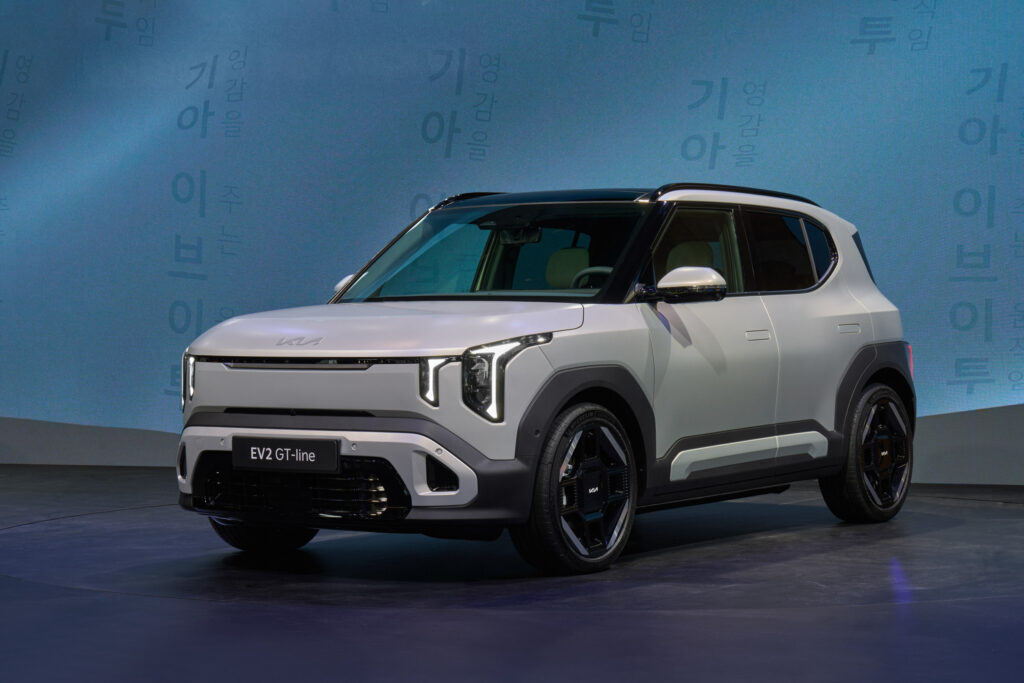
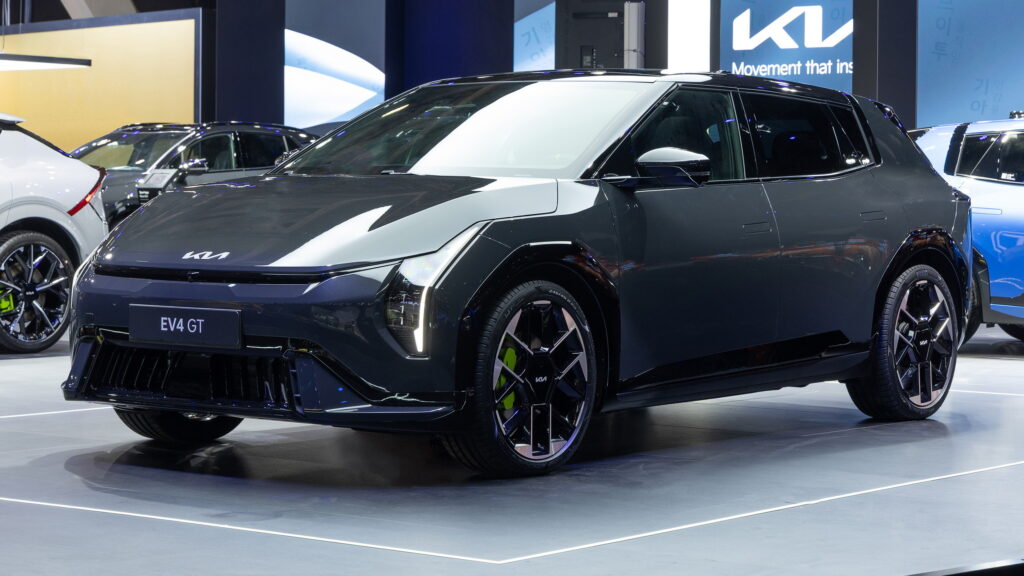
A comparison of these two events vividly illustrates current trends in the automotive industry and methods of product presentation. The Detroit show, despite the growth in the number of brands and visitors, focuses more on creating a large-scale public experience and interactivity than on the number of world premieres. Its goal is to remain a platform for a broad dialogue about the future of transportation and to engage a mass audience. At the same time, European shows like Brussels continue to serve as key points for announcing new models, especially in the electric vehicle segment and innovative concepts. This demarcation may indicate further specialization of major automotive events in the world, where each finds its niche—from a global forum and fan event to a platform for technological debuts.