


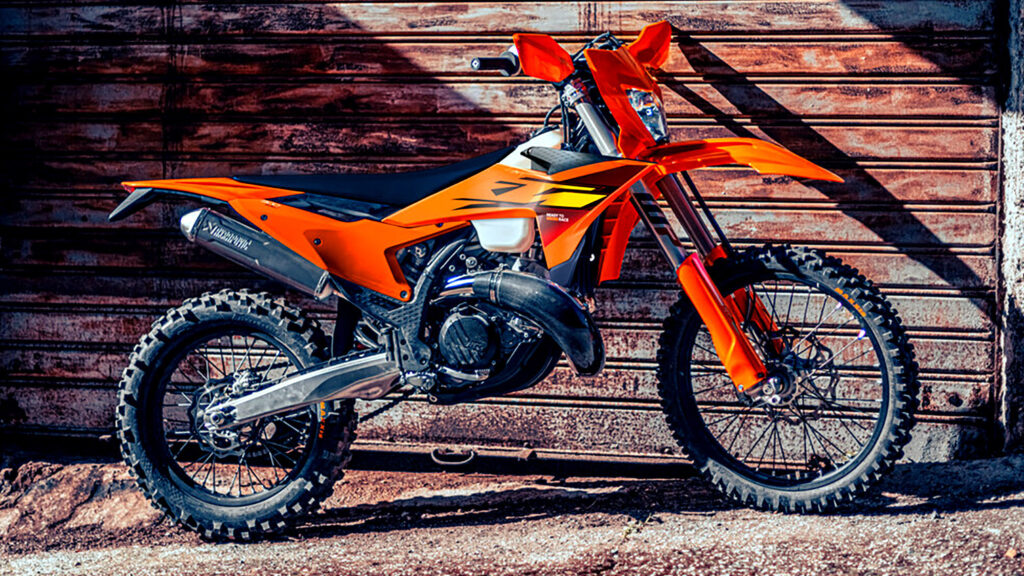
Scandal around KTM: off-road motorcycles as road vehicles
Surviving on the brink of bankruptcy usually makes a company more cautious. But not always. Having narrowly avoided liquidation at the end of 2024, KTM, the largest motorcycle manufacturer in Europe, now finds itself at the center of a scandal over the sale of off-road motorcycles that are registered as road vehicles. Several leading European publications have investigated this practice, yet local authorities seem to turn a blind eye.
KTM 350 EXC-F model in the spotlight
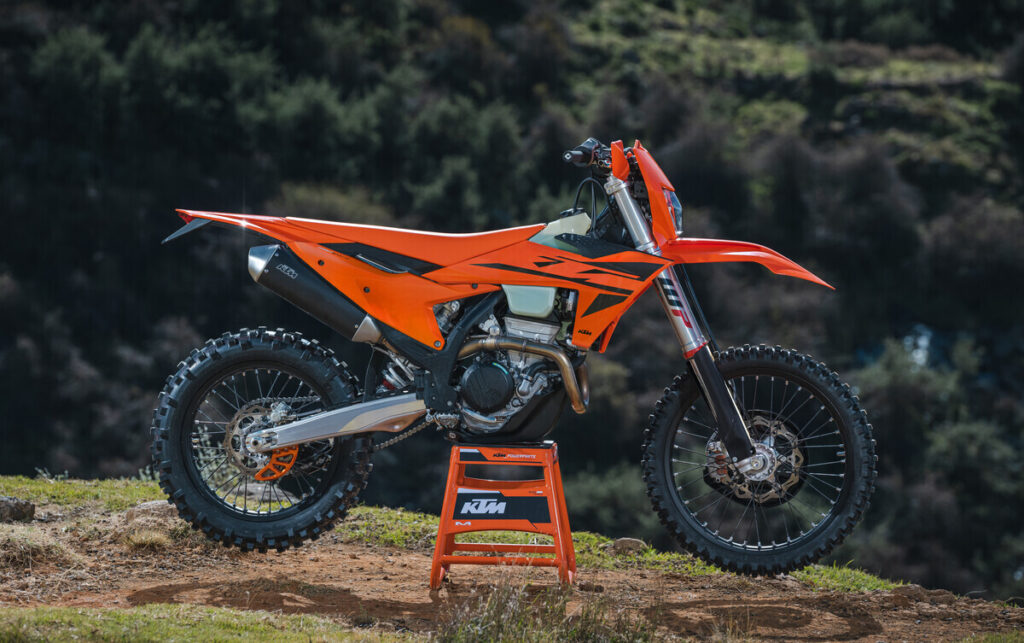
The KTM 350 EXC-F model is one of those at the epicenter of events. In its standard configuration, the 350 cc single-cylinder engine produces 51 hp and is intended exclusively for the track and competitions, not for public roads. A journalistic investigation tells a different story. KTM is reported to reduce the power of these motorcycles to 15 hp to meet registration requirements, then remove the restrictions again before handing over the keys to the buyer.
How the scheme works: journalists’ investigation
A team of journalists from ten major publications, including Spiegel and Manager Magazin, have posed as potential KTM buyers over the past few months. What they discovered is concerning. According to their data, off-road motorcycles are restricted at the factory and registered for road use. They then arrive at dealerships with the necessary parts to return them to their original power. The dealer restores the motorcycle to factory specifications, adjusts the software, and sends it to the buyer, allowing it to be ridden on public roads with falsified registration documents.
KTM seller admission: “It’s a bit of a cheat”
One of the journalists recently posed as a buyer at the Brussels Motor Show, speaking with a KTM representative about their practices. The seller apparently admitted that the motorcycles are supplied in a restricted state to comply with registration and emissions regulations, and then modified, saying: “It’s a bit of a cheat.”
One dealer in Austria told ORF journalists that engines in such a restricted state become damaged and fail after just 20 km of mileage, noting that they are not designed for such severe restriction.

Risks for riders: insurance and criminal liability
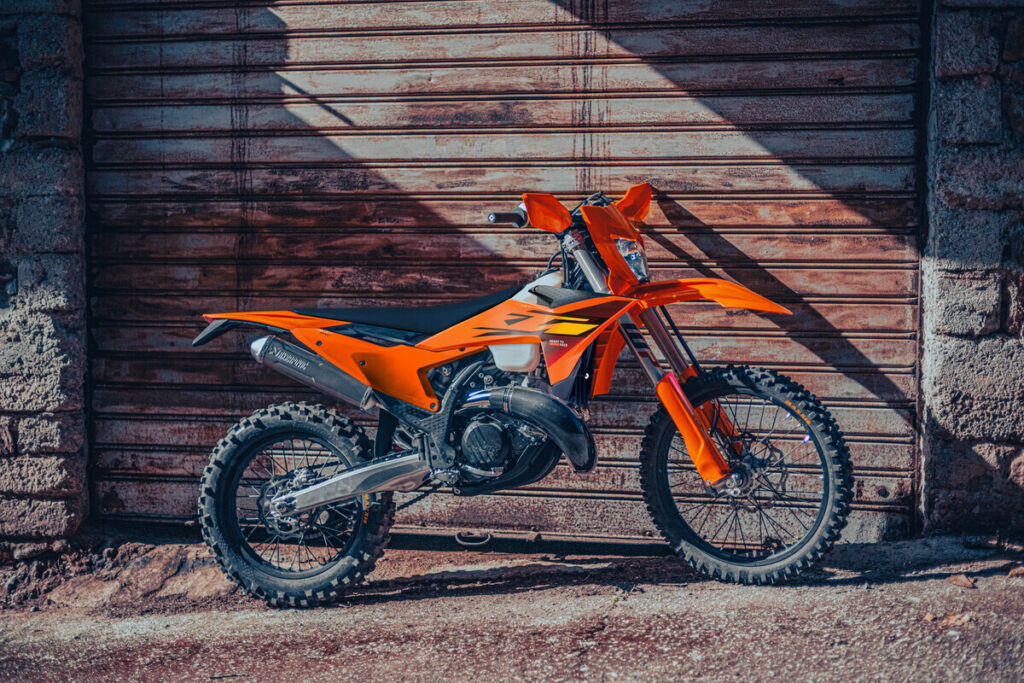
Such motorcycles are often called “supermotos,” and since they are technically not legal for roads, Spiegel reports that insurance companies do not cover them. This means that if a rider gets into an accident, they could face imprisonment.
Violation of local regulations and environmental consequences
According to the International Council on Clean Transportation, KTM motorcycles with removed restrictions are “more than twice as loud” as in their restricted state, and apparently produce as much carbon monoxide as a “diesel locomotive,” while particulate matter emissions significantly exceed those of a car.

Position of KTM and dealers
KTM claims that all off-road motorcycles sent to dealers are supplied in a “road-going condition,” and modifications are performed only at the customer’s request. Additionally, dealers reportedly warn buyers that after removing the restrictions, the motorcycles will no longer be legal for roads. Of course, these dealers cannot stop buyers from riding unlocked motorcycles anywhere. Spiegel also reports that many motorcycles are unlocked immediately upon arrival at dealers, long before a customer makes such a request.

This situation calls into question not only KTM’s reputation but also the effectiveness of regulatory bodies in Europe. If the practice of mass power restriction followed by restoration is indeed widespread, it creates a dangerous precedent where manufacturers and dealers effectively circumvent safety and emissions laws. At the same time, the lack of response from authorities may indicate gaps in legislation or an unwillingness to interfere in the affairs of a large manufacturer that recently experienced a financial crisis. For buyers, this means not only the risk of criminal liability but also potential problems with insurance and the technical condition of a motorcycle that was not designed to operate in such a restricted mode.