


Familiar Details in a New Supercar
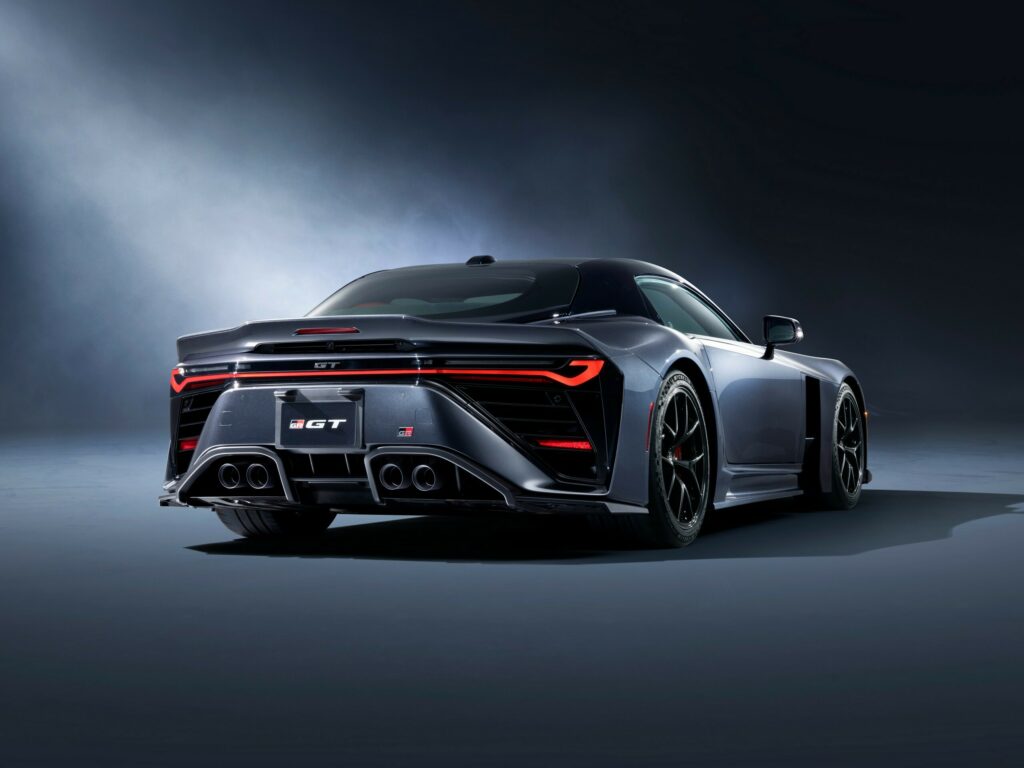
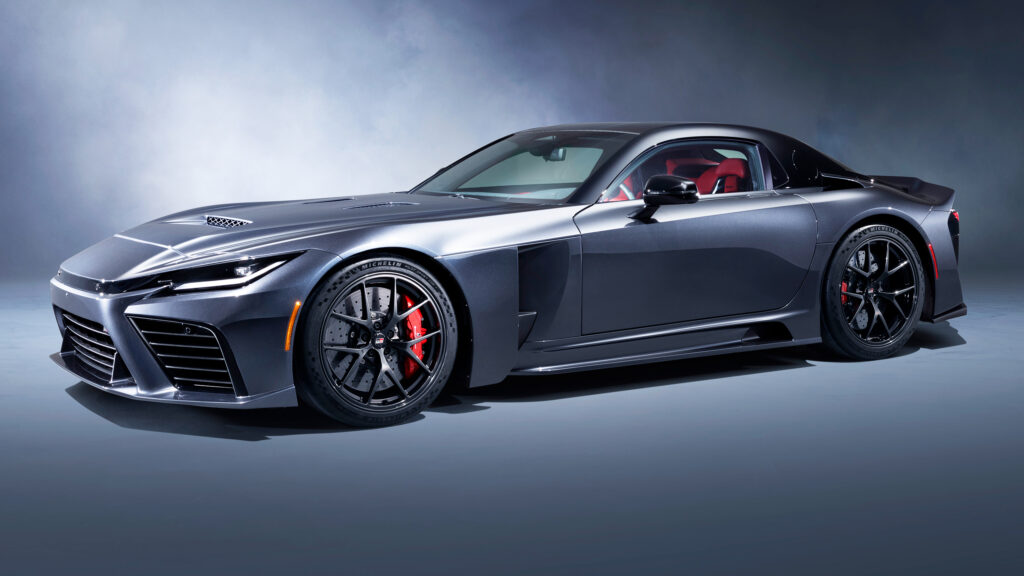
Toyota recently unveiled its flagship GR GT supercar, which is set to become the pinnacle of the brand’s product line. The car’s exterior is dramatic and aerodynamic, but it’s the interior that has drawn particular attention.
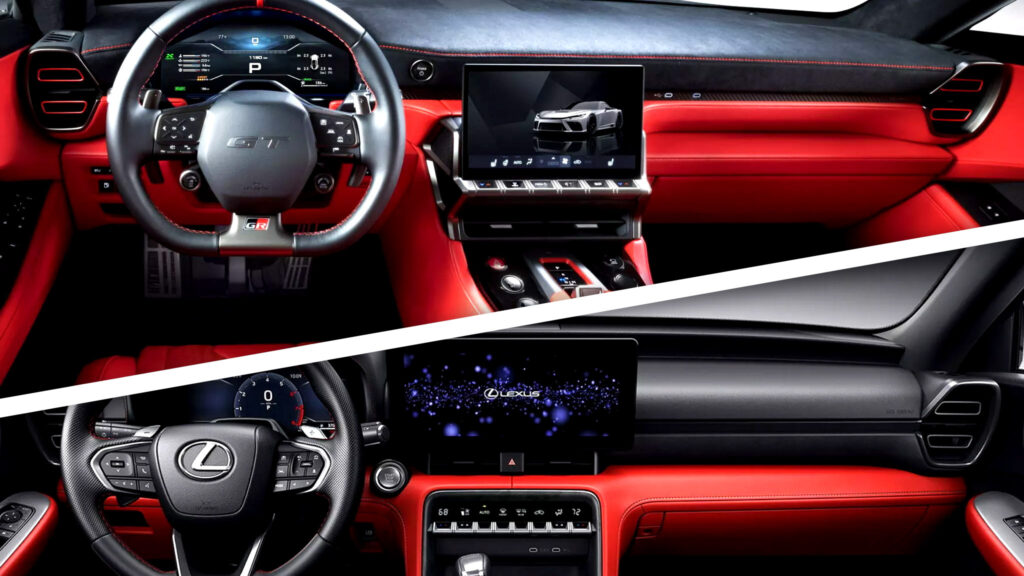
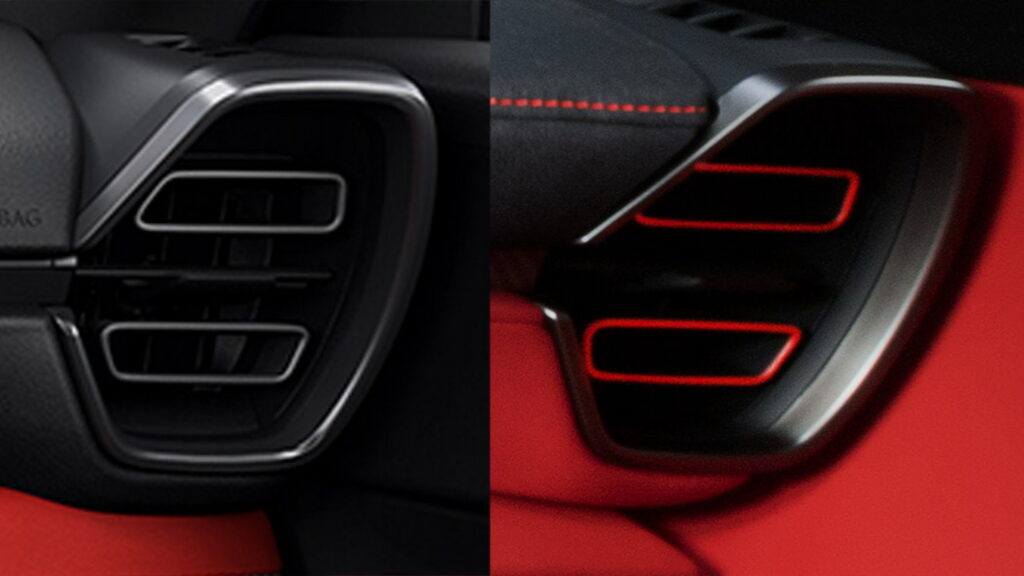
Looking closely at the official photos, something oddly familiar can be noticed. Part of the design appears to be shared with an almost 13-year-old Lexus, which, moreover, is the most affordable sedan in the company’s catalog. This isn’t quite the pedigree you’d expect to see in a halo car.
We’re talking about the IS sedan, and the connection is not far-fetched. One of the first things that catches the eye is the upholstery, executed in a shade that looks very similar to Lexus’s Radiant Red.
This doesn’t mean the GR GT lacks its own charm: the upper part of the dashboard is covered in suede, and carbon fiber inserts are scattered throughout the cabin. However, the ventilation grilles, in particular, seem to be taken straight from the Lexus IS.
Common Origin or Just Similar Style?


The third-generation Lexus IS debuted back in 2013, receiving a minor update in 2017, a more substantial facelift in 2020, and another update in 2025. The latest one brought a sharper front end and a refreshed interior, including those same futuristic-style ventilation grilles that have now appeared in the GR GT.
Considering the timelines, it’s possible to assume that these components were actually developed with the GR GT in mind. If so, Toyota might have simply used them to breathe new life into the outdated IS, and not the other way around. But this is just speculation.

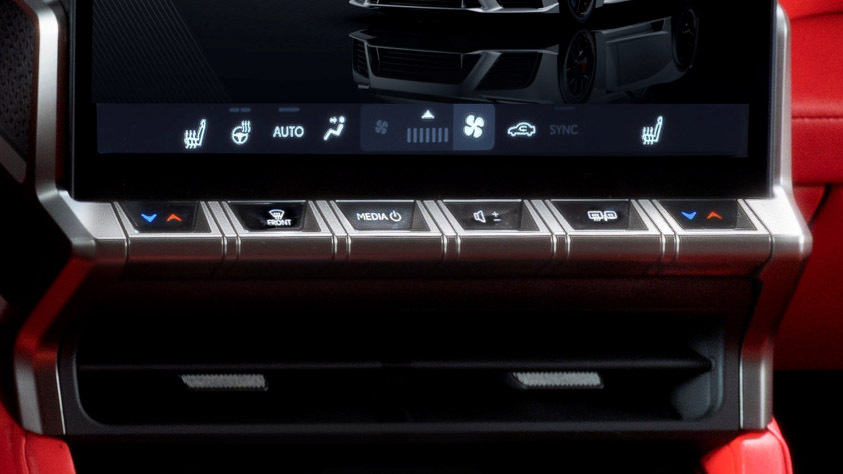
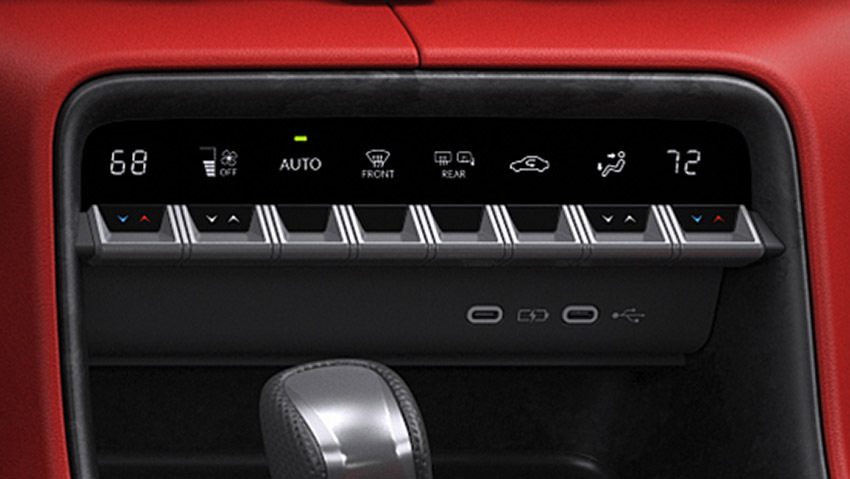
The Japanese publication Creative Trend also noted that the aviation-inspired toggles on the center console bear a resemblance to those in Lexus. However, while they may share a common shape and finish, the six toggles in the GR GT are more square and wide compared to the eight in the IS.
One thing that looks almost identical is the placement and style of the window and mirror switches, which seem to be borrowed directly from Toyota’s broader parts catalog. Again, such parts reuse is hardly a sensation in the automotive world.


Unique Elements and the Future
Beyond this, the GR GT has its own set of buttons, steering wheel dials, and paddle shifters. The gear selector on the center console is also unique, and even if it shares DNA with the design of the current Toyota RAV4, its execution is much more expressive.
Still, it wouldn’t be a surprise if elements from the GR GT later found their way into future Gazoo Racing models, such as a revived Celica or MR2. As for digital features like the instrument cluster or infotainment system, they are easily changed with different graphics, making platform sharing even more seamless.
The Age-Old Game of Shared Parts
Of course, such component crossover is not new. High-end and limited-run cars have long utilized the corporate “parts bin,” even though modern manufacturing methods like 3D printing allow for greater differentiation at significantly lower cost.
Examples are easy to find. Audi switches in Lamborghinis are now standard within the Volkswagen Group, and Maserati has used parts from Chrysler and Dodge, which are also part of Stellantis.

Delving into history, the list becomes even more eclectic. The famous Lamborghini Diablo had headlights from Nissan, the Jaguar XJ220 made do with taillights from the Rover 200 and mirrors from the Citroen CX, and the McLaren F1 borrowed its taillights from a bus and mirrors from Volkswagen. The Aston Martin DB7? Taillights from the Mazda 323F.
This practice demonstrates that even in the world of exclusive supercars, economic feasibility often outweighs the complete uniqueness of every single part. For Toyota and Lexus, which are part of the same corporate family, such use of proven components can be a way to control the development and production costs of a complex product like the GR GT without sacrificing the overall sense of quality. At the same time, it can serve as a subtle hint at the technological kinship between, at first glance, such different models, reinforcing the idea of a shared engineering heritage.