
 by
by A New Era of Compact Mercedes
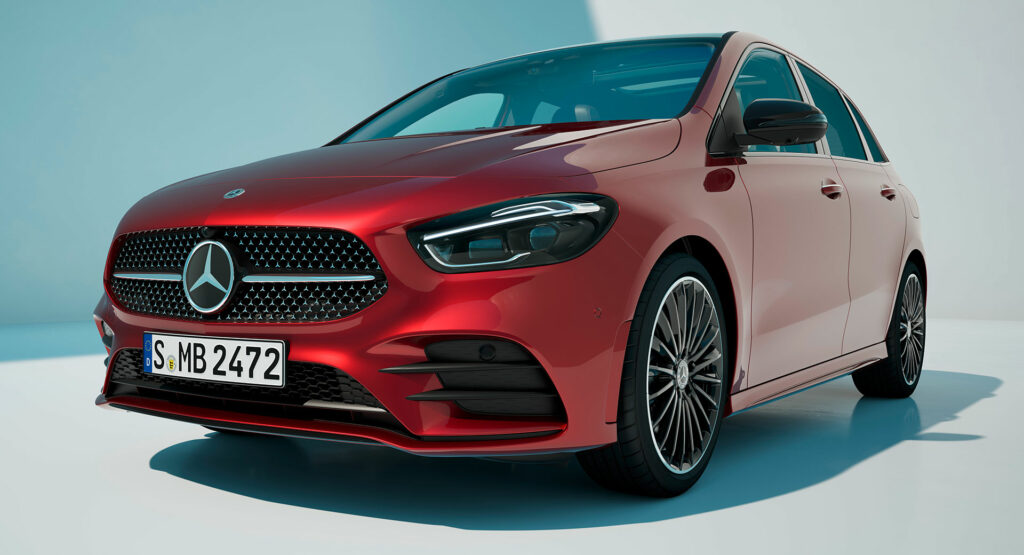
Mercedes-Benz is preparing a completely new model, set to become the successor to the A- and B-Class by 2028. Currently, production of the A-Class is being relocated to Hungary in early 2026, which will allow for groundwork to be laid for the future novelty. This car will not be a classic hatchback or sedan; instead, it will receive an original design combining features of an SUV and a minivan.
Platform and Concept
The model will be built on the modular MMA platform, which is already used for the CLA, GLA, and GLB. This architecture supports various types of powertrains: gasoline, hybrid, and fully electric. Mercedes’ Chief Development Engineer, Jörg Burzer, describes the future car as “something that didn’t exist before” and “a very attractive vehicle.”
His words indicate that the company aims to create not just a direct replacement, but something fundamentally new.
Target Audience and Design
According to information, the new model is being developed with a focus on young people. This pertains not only to the price category but also to the approach to style and layout. The car will have a higher seating position and space, reminiscent of a compact minivan, making it a practical alternative to both the A-Class and the B-Class.
Affordability and Market Strategy
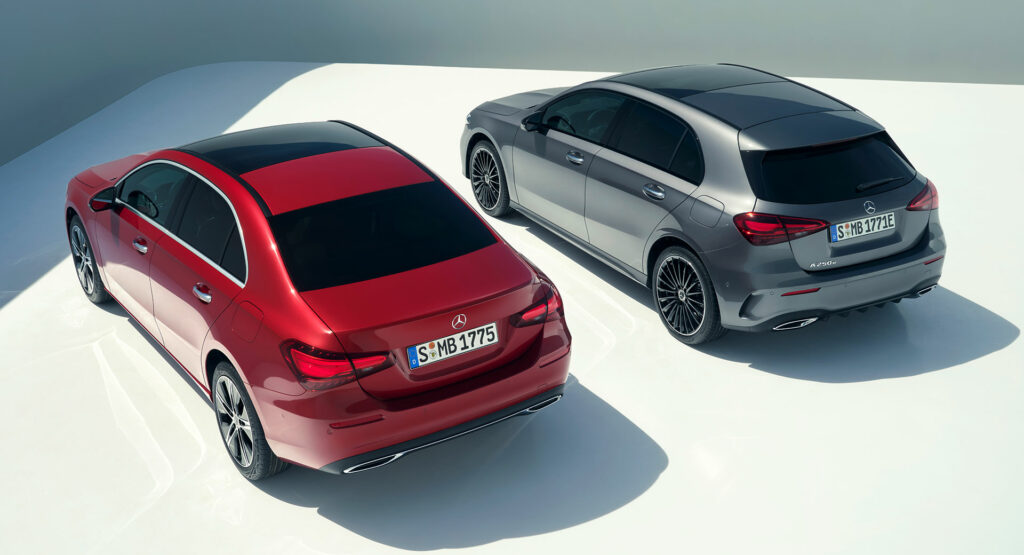
The price of the new model is expected to be lower than that of the GLA, making it more accessible to first-time buyers and those on a budget. Production will likely be located at the plant in Kecskemét (Hungary), where the production of the current A-Class is moving in early 2026.
The popularity of Mercedes compact models remains high. In 2025, 69,777 units of the A-Class were sold in Europe, making it the brand’s fourth best-selling car in the region. Burzer believes that in the compact segment, especially in Europe, there is still “potential for profitable growth.”
The Future of the Segment
The development of the new model, despite previous rumors about reducing the compact lineup in favor of more expensive cars, underscores the constant demand for affordable premium cars. The new crossover-style model is intended to satisfy this demand, offering young families and urban drivers flexibility, space, and style without the need to buy a full-fledged SUV.
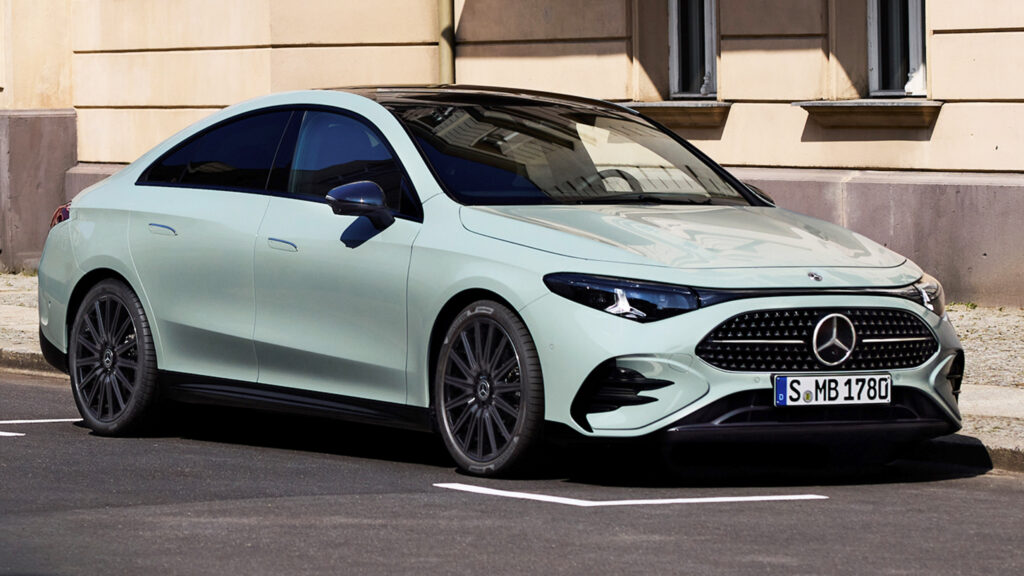
This move by Mercedes demonstrates a strategic shift in its approach to the entry-level segment. Instead of simply updating existing forms, the brand is creating a new type of vehicle that meets modern demands for versatility, practicality, and affordability. The success of the CLA, often called the best in its class, gives Mercedes confidence that innovation in the compact segment can be both profitable and in demand. The focus on a youth audience may also mean more progressive connectivity and personalization technologies in the cabin, which would be a logical continuation of the digitization course noticeable in the brand’s latest models.