 by
by A Tough Year for the Swedish Brand
Volvo has built a strong lineup of sedans, wagons, and SUVs over decades, but has always played second, if not third, fiddle to its German rivals, never reaching the zenith of popularity like BMW, Audi, or Mercedes. The financial and sales results published by the Swedish company show that 2025 was a particularly tough year.
The company’s operating profit for the fourth quarter plummeted 68 percent to 1.8 billion Swedish kronor, or approximately $200 million. The drop was driven by a combination of factors, including U.S. import tariffs, reduced demand, and a weak dollar.
The fallout triggered a sharp market reaction, causing Volvo’s share price to fall 22.5% last Thursday, which, according to CNBC, was the worst trading day in the company’s history. Shares have recovered slightly but are still down about 20% from their previous level.
Sales Fall Despite EV Growth
According to Volvo, the removal of EV incentives in the U.S. also had a negative impact. By the end of Q4 2025, EV sales accounted for 24% of Volvo’s total volume, compared to 21% a year earlier, but this was clearly not enough to calm investor concerns.
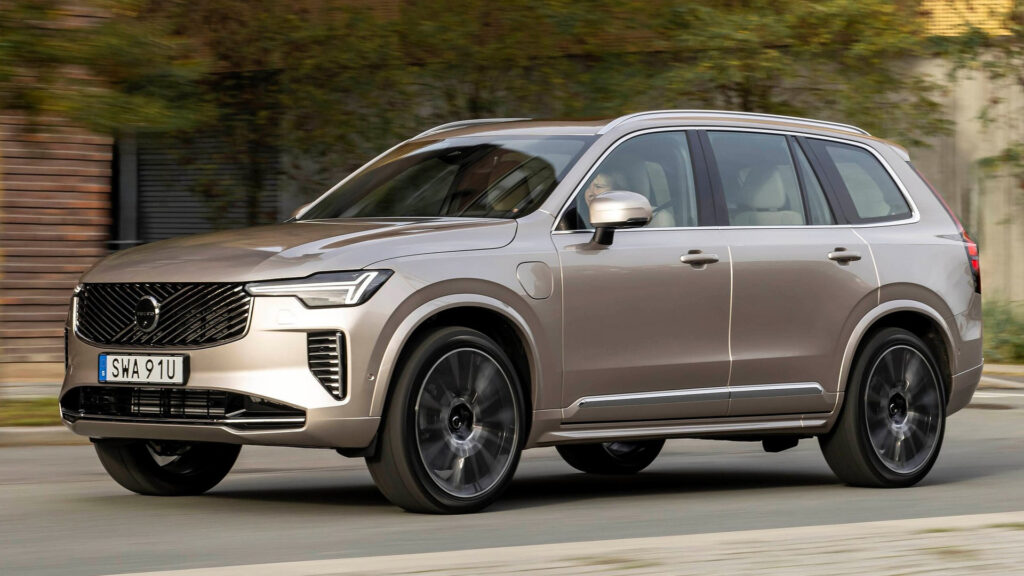
New sales data also paints a complex picture for Volvo. In the three-month period from November 2025 to January 2026, its global sales fell 7% to 177,830 units. Starting in February, Volvo will report figures only on a rolling three-month basis, instead of for a single month.
Of the cars sold by Volvo in the last three months, 86,462 units were battery electric vehicles or plug-in hybrid models, representing a 2% decline compared to last year when 88,541 such cars were sold. The number of mild hybrids and ICE models sold by Volvo also fell 11% during this period to 91,368 units.
Cost-Cutting and Future Plans
While times are challenging for Volvo, it sees light at the end of the tunnel. The company is implementing an 18-billion-kronor ($2 billion) cost-cutting plan and says it has successfully created a new, lower cost base.
Speaking to CNBC, CEO Håkan Samuelsson stated that the company did a “very good job… of reducing our costs and achieving positive cash flow, so that’s what I would highlight as the most important positive things we achieved during the year.”
This year, Volvo expects sales volumes to grow compared to the previous year, partly due to the arrival of the EX60 and EX70. It also forecasts increased cash generation and cash flows for the full year, but warns that challenges will remain due to tariffs, regulatory uncertainty, and “softening consumer sentiment.”
Volvo’s financial results clearly demonstrate how vulnerable even an established automaker can be in the modern global environment, where political decisions like tariffs can have an immediate impact on the balance sheet. The growing share of EV sales is a positive long-term trend, but as seen, it cannot offset negative macroeconomic pressures in the short term. The success of the ambitious cost-cutting plan and the success of new models like the EX60 will be crucial factors in restoring investor confidence and stabilizing the brand’s market position.