


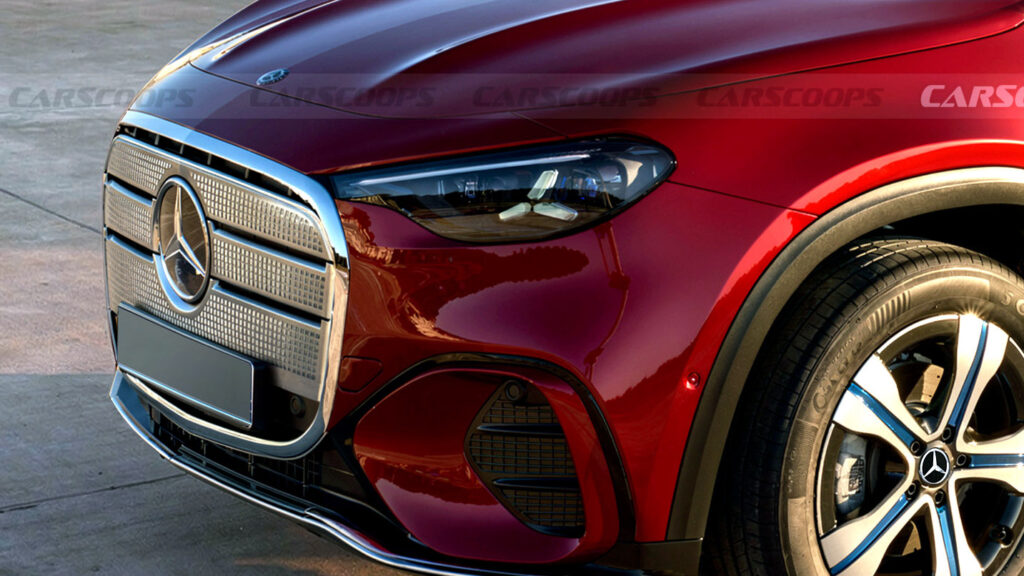
A new chapter in the Mercedes-Benz GLA’s history appears to bring evolutionary changes to the exterior with a radical update of the technical underpinnings, retaining familiar outlines but receiving a completely redesigned foundation.
Technical Base and Positioning
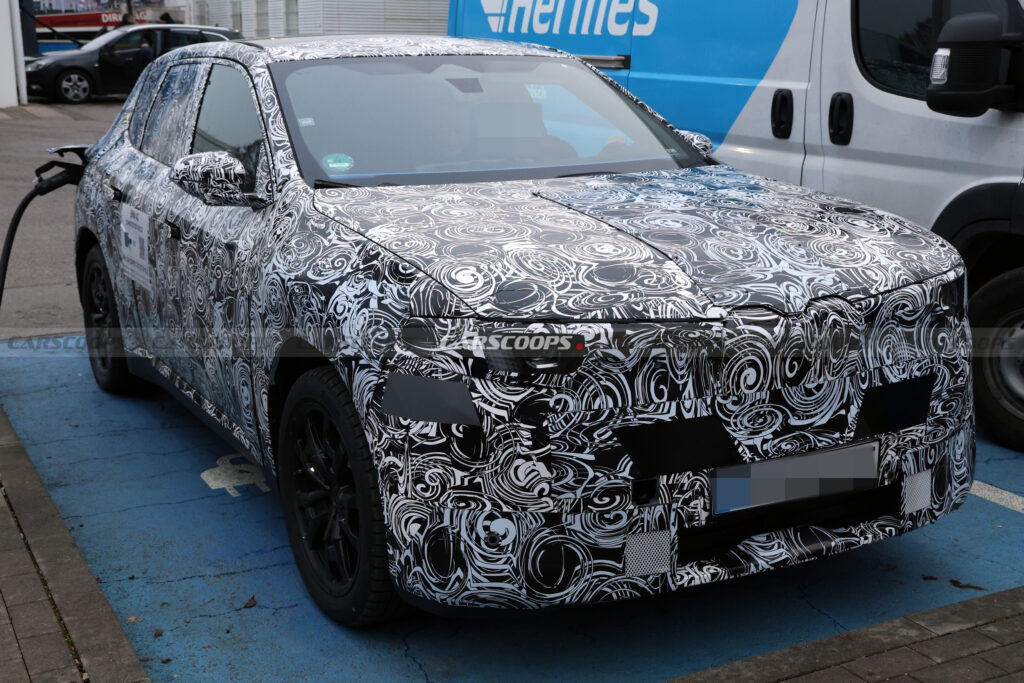
Positioned below the recently updated GLB, the GLA is transitioning to the brand’s new Modular Architecture (MMA). This opens the way for a wider choice of electric and hybrid powertrains while maintaining the crossover’s compactness. Based on spy photos of test prototypes, one can imagine what the production car will look like.

Design Evolution
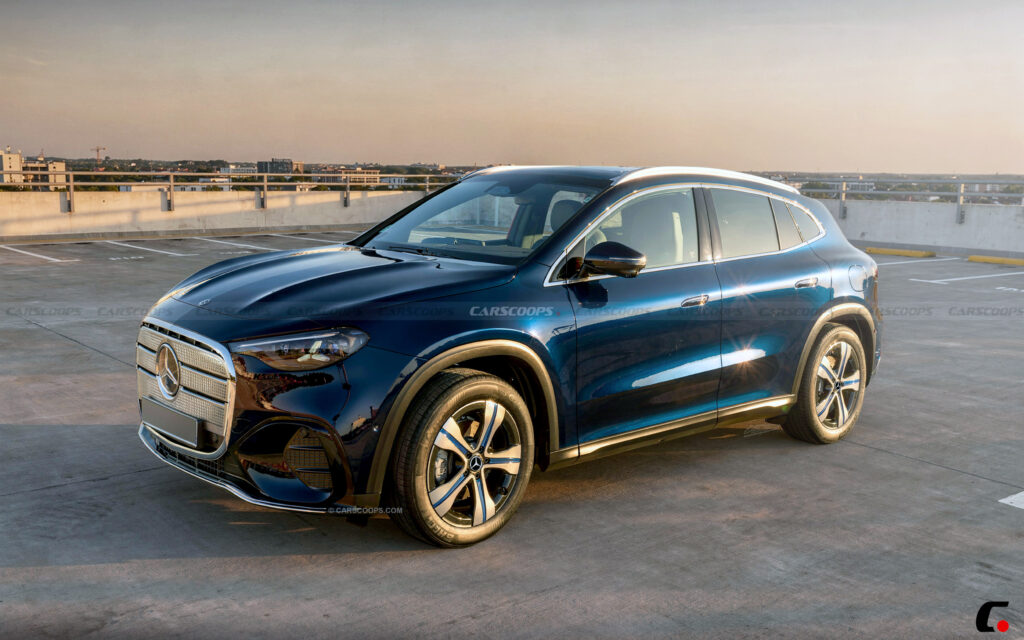
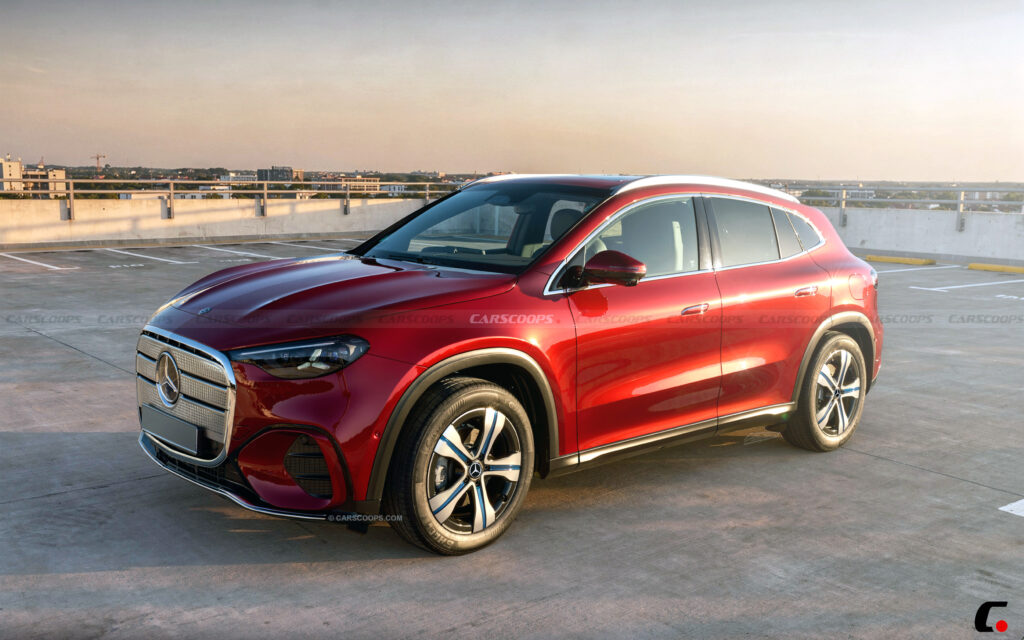
At the front, the new GLA will receive the latest version of the Mercedes vertical grille: with air intakes for cooling in hybrid versions and a closed-off panel in electric ones. It will be accompanied by narrow headlights with a horizontal LED ‘eyebrow’ and daytime running lights in a star pattern, similar to the new GLB.
In profile, the GLA retains the silhouette of a raised hatchback, unlike the more ‘upright’ aesthetic of its older sibling. Short overhangs, a gently rising window line, and pronounced wheel arch cladding give it a compact and sporty stance. Flush door handles reduce visual clutter, and the roofline tapers smoothly towards the rear, complementing the powerful rear fenders.
At the rear, the star-shaped LED taillights are framed by an illuminated outline that stretches from the C-pillar to the tailgate, creating a continuous light signature recognizable at night.
Updated Interior and Technologies
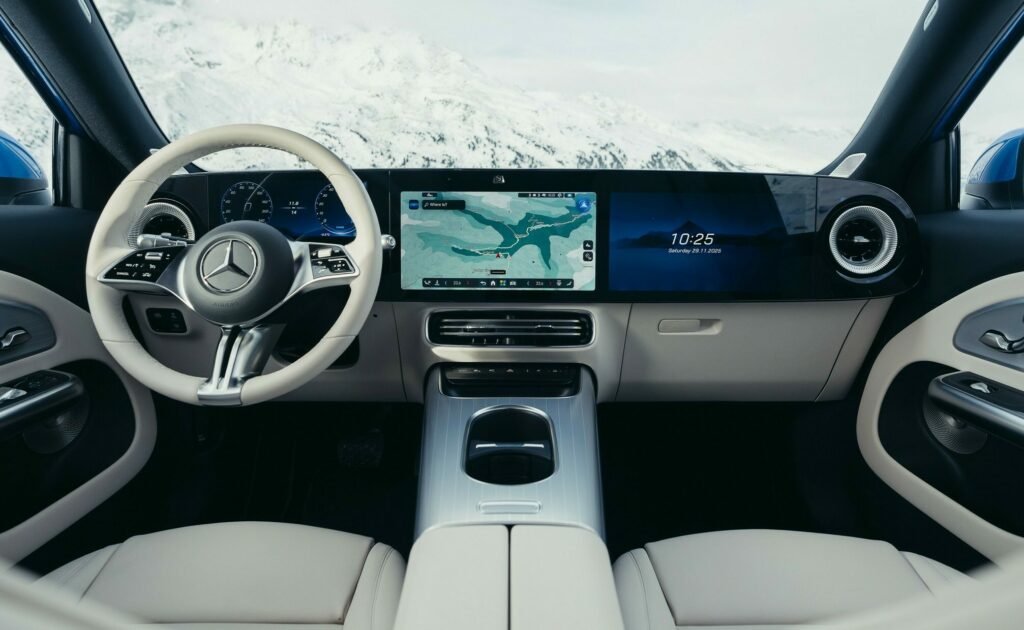

Although the interior is still hidden, the new GLA is expected to be very similar to the latest CLA and GLB. This means a pixel-packed dashboard dominated by the full-width MBUX Superscreen system, which combines the digital instrument cluster, central infotainment display, and an optional passenger display into a single glass panel.
A Google-based virtual assistant, Burmester 3D surround sound, and over-the-air updates will also be present.
An improvement in material quality is expected: higher-quality trim made from recycled materials, cleaner surfaces, and dynamic ambient lighting. An improved layout should also free up more knee room for rear passengers and slightly increase trunk space. The model will receive the full suite of MB.Drive driver assistance systems, such as automatic parking and hands-off semi-autonomous highway driving.
Electrification and Powertrains
The technical foundation is the Mercedes-Benz Modular Architecture (MMA), which supports both electric and hybrid powertrains with front- and all-wheel drive.
Electric versions will use an 800-volt electrical system and offer rear- or all-wheel-drive configurations with one or two motors.
The power of the single-motor version is 268 hp, while the dual-motor version raises this figure to approximately 350 hp.
Both electric variants use the same 85 kWh NMC battery, with an estimated WLTP range of about 540-630 km, and can charge at fast-charging stations with power up to 320 kW.
Hybrid models will get a turbocharged 1.5-liter four-cylinder engine paired with a 48-volt system and an electric motor integrated into an eight-speed dual-clutch transmission. Power is expected to range from 136 to 190 hp, with front- and all-wheel-drive options, although more powerful versions may appear.
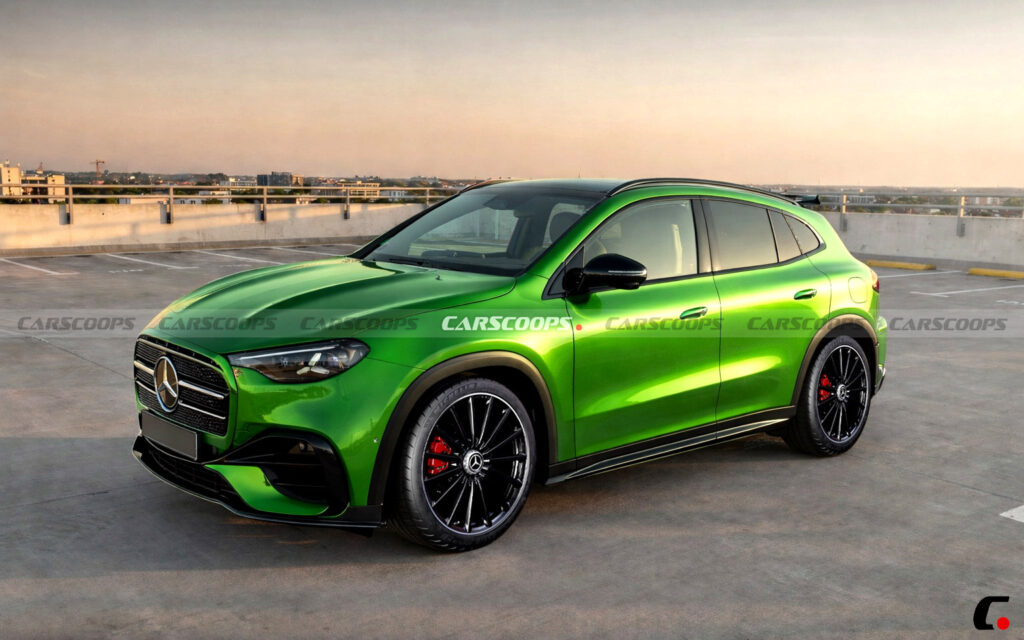
There is also a likelihood of powerful AMG versions appearing later, potentially including an electric EQ version with over 500 hp, if Mercedes repeats the direction planned for the future CLA AMG.
Competitors and Launch Timeline

Key competitors include the BMW X1 and iX1, Audi Q3, Genesis GV60, Volvo EX30, Polestar 4, and Lexus UX. This list covers everything from familiar premium models to bold new players. In other words, the GLA is entering an already crowded segment where competition is extremely fierce.
The fully electric GLA is expected to debut this year, with hybrid and flagship AMG variants set to appear later, in 2027.
The transition to the MMA architecture is a strategic step for Mercedes-Benz, as it allows flexible response to market demand by offering both electric and hybrid solutions for a single model. This is especially important in the compact segment, where buyers are increasingly looking for eco-friendly alternatives but are not always ready for a full switch to electric vehicles. The success of the updated GLA will depend not only on technical specifications but also on how successfully it manages to combine progressive technologies, such as the MBUX Superscreen, with the practicality and affordability that have always been important for this class of car.