by
by The End of the Micromobility Experiment
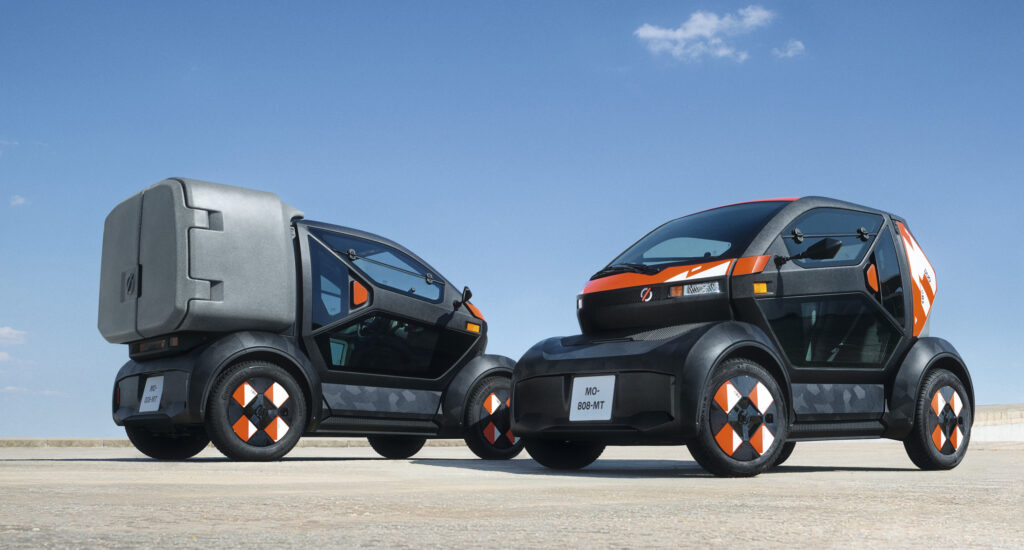
The French automaker Renault is discontinuing its sub-brand Mobilize Beyond Automotive, thereby closing the short history of the Duo and Bento electric city models. These vehicles, which debuted in production form only in 2024, never truly had a chance to establish themselves on the market.
An Idea That Found No Continuation
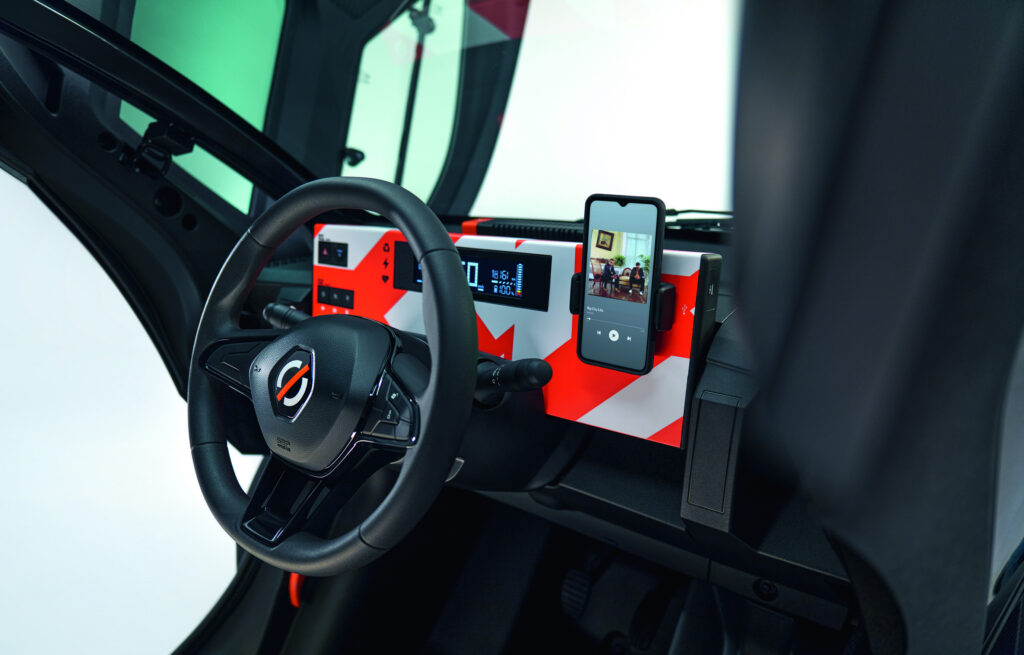
The Mobilize brand was created in 2021 as a laboratory for exploring possibilities beyond traditional car manufacturing. It presented the EZ-1 concept, which later evolved into the Duo and Bento models. These fully electric four-wheeled vehicles, similar in design and size to the previously discontinued Renault Twizy, had a key difference: they were not sold but offered exclusively on a subscription basis.
This decision also puts an end to Mobilize’s car-sharing services in Milan, while the program in Madrid will be gradually phased out by 2026.
Strategic Reassessment
Just a year after the presentation of the serial versions, and even before their launch in the UK market, Renault decided to close not only the models but the entire Mobilize brand as a separate structure. According to the company, some business areas did not demonstrate long-term profitability or ceased to align with the group’s strategic goals.
What Remains of Mobilize?
However, not all developments will be lost. The area related to energy services and electric vehicle charging infrastructure will be integrated into the commercial portfolio of Renault Group. The company considers these services critical for customer satisfaction and facilitating the transition to electric vehicles.
The achievements of Mobilize in this area are:
Despite the brand’s closure, Renault insists that Mobilize fulfilled its role as a testing ground for new ideas in areas unconventional for the company. This experience allowed for the identification of promising opportunities while simultaneously weeding out concepts that lost strategic relevance. Such experiments point to the complexity of innovation in the field of micromobility, where finding a balance between novelty, convenience, and economic viability is extremely difficult. The future will show whether other players can implement similar ideas more successfully, or whether the market for urban electric quadricycles will remain niche.