


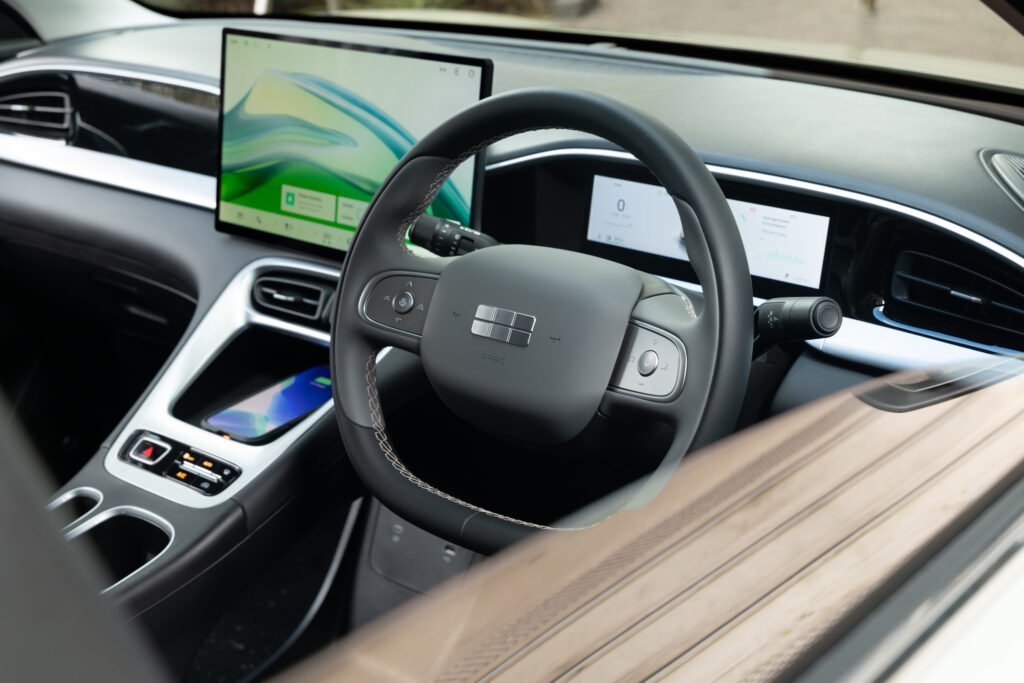
Chinese automaker Geely has reached an agreement with Ford to produce cars at a plant in Spain
After several months of negotiations, Geely has reached an agreement with Ford to use an assembly line that had been idle at the “Blue Oval” plant near Valencia, Spain. Local production allows Geely to avoid tariffs that Europe has imposed to curb Chinese automakers, which is the reason for this deal.
Deal details and production capacity
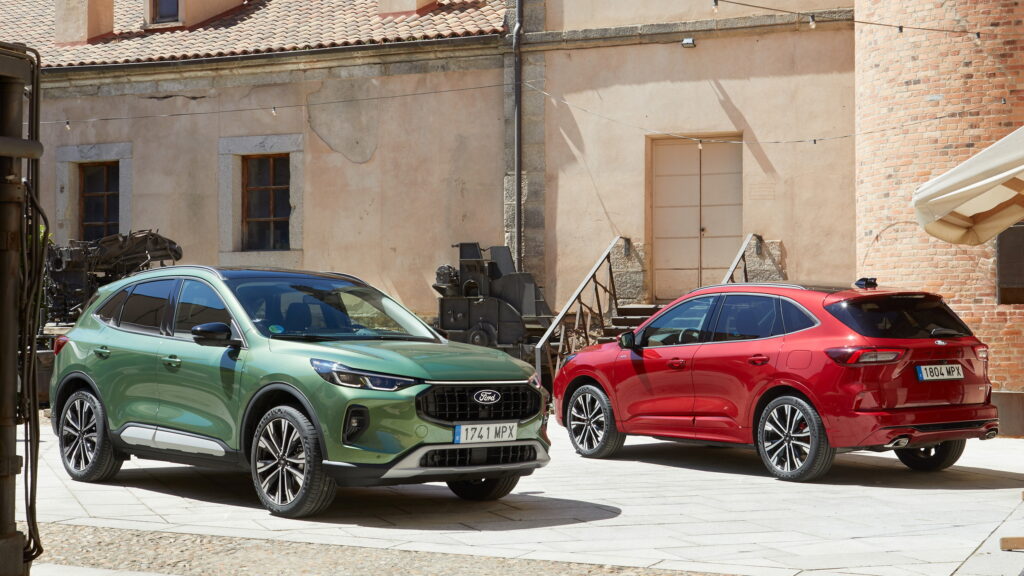
Ford’s plant in Almussafes has an annual capacity of 450,000 vehicles, but has been operating at less than a quarter of that for several years. It currently produces the Kuga model, but a Geely vehicle will soon join it. The company has not yet confirmed which model it will produce in Spain, however, according to reports, it will be the new EX2 — an affordable electric hatchback that became the best-selling new car in China last year.
Role of the Spanish government
Spanish Prime Minister Pedro Sanchez played an important role in brokering this deal. Since Spain does not have a significant automotive industry of its own, like Germany or Italy, it is widely opening its doors to companies from China.
Chinese companies come to Spain

According to Bloomberg, Chery is already cooperating with Spanish company Ebro and has revived a plant in Barcelona that once belonged to Nissan. In addition, BAIC is partnering with local firm Santana to produce several SUVs in Andalusia. Stellantis also plans to create a battery plant together with Chinese conglomerate CATL in Zaragoza.
Additional details of the deal are expected to be announced by the Spanish Prime Minister later this week during his press appearance at the Ford plant. Back in May, it was reported that thanks to this deal, Ford would be able to create its own electric vehicle on the same platform as the EX2, although this has not yet been confirmed.
Geely EX2
This deal is landmark for the European auto industry, demonstrating a new model of cooperation between traditional manufacturers and Chinese companies. For Spain, it is a chance to revive its production capacity and create new jobs, while for Geely, it is a strategic move to bypass trade barriers. The potential use of a shared platform for Ford models could indicate a deepening of technological exchange, which in the future could change the balance of power in the European electric vehicle market.