


War in Iran hits Toyota production: RAV4 and other models face cuts
The conflict in Iran and the blockade of the Strait of Hormuz are beginning to seriously impact global automotive production. One of the first to feel the consequences is the Japanese giant Toyota. The company has informed its suppliers of plans to reduce overseas production by approximately 83,000 vehicles from now until November.
Reasons and scale of the cuts
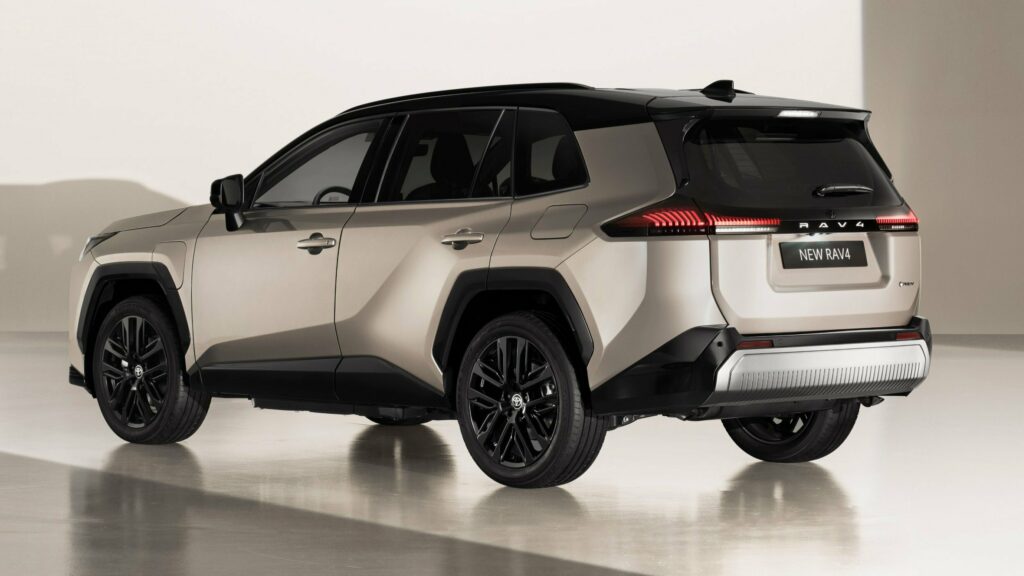
Information about the reductions was sent to suppliers this week. The main reasons cited are rising fuel prices and weakening demand in the Middle East. Production of the popular Toyota RAV4 crossover will be hit the hardest.
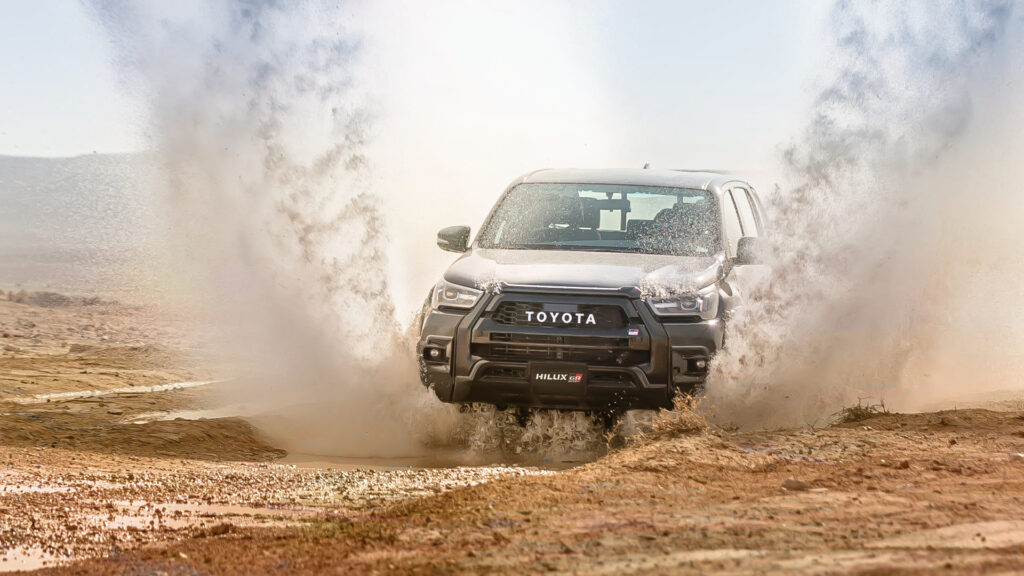
Additionally, the cuts will affect vehicles built on the global Toyota IMV (Innovative International Multi-purpose Vehicle) platform. These include the Hilux pickup, the Fortuner SUV, and the new Land Cruiser FJ. The Probox and Corolla Touring models are also subject to reductions.
Factory shutdowns and export losses
According to Nikkei Asia, Toyota has already reduced production in Japan by 40,000 vehicles destined for the Middle East during March and April. The company also halted one line at its Tsutsumi plant in Aichi Prefecture for two days and suspended work on a second line at the Gifu Auto Body site for one day.
According to Toyota’s Chief Financial Officer, Takanori Azuma, the company typically exports between 500,000 and 600,000 vehicles per year to the Middle East. Nearly half of this volume could be affected by the current disruptions.
Financial forecasts worsen

Despite the war’s impact on production plans, Toyota’s latest annual forecast suggests the company will end the current fiscal year with production of over 10 million vehicles under the Toyota and Lexus brands, a 1% increase. However, consolidated net profit is expected to fall by 22% — to 3 trillion yen (approximately $18.89 billion).
Toyota also warned that profit forecasts could worsen if instability in the Middle East and crude oil markets intensifies beyond expectations.
How competitors are reacting
Last month, it was reported that due to the ongoing conflict in Iran, 1,400 Nissan Patrol SUVs destined for the Middle East were redirected to the United States, where they will become Armada models. This case vividly demonstrates how crucial it is for major automakers to think quickly and adapt to changing global conditions.

The situation surrounding Toyota and other manufacturers shows how geopolitical risks directly impact global supply chains and production plans. The blockade of key maritime routes, particularly the Strait of Hormuz, through which a significant portion of the world’s oil supplies pass, leads to increased logistics costs and uncertainty. For Toyota, which has a large market share in the Middle East, this is a double blow: on one hand, falling demand in the region, and on the other, complications for exports. The redirection of a batch of Nissan Patrols to the United States is a telling example of how companies are forced to seek alternative sales markets to minimize losses. These events underscore the fragility of the global automotive industry, which depends on the stability of international relations and the uninterrupted operation of transport corridors.