


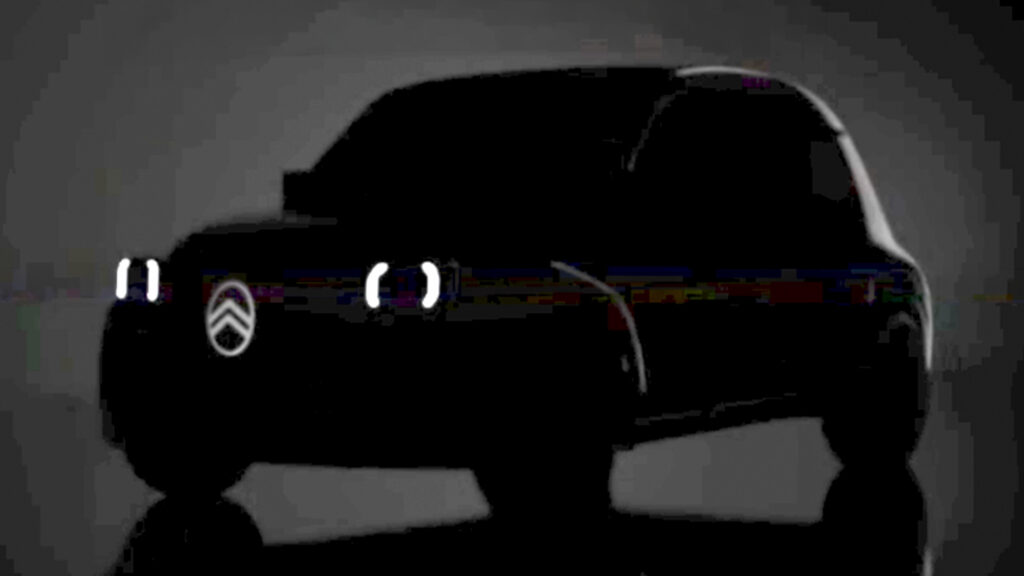
Citroen has officially confirmed the revival of the legendary 2CV model, which will become an affordable electric city car. The new car will feature a retro style inspired by the original but will be aimed at practical buyers. The electric hatchback promises a low price, emotional appeal, and practicality.
Return of a Legend: Citroen Revives the 2CV as an Affordable EV
Citroen is bringing back one of the most recognizable European economy cars, and this time it will only look like a snail, but not accelerate like one. The legendary 2CV, or ‘tin snail’ as it was affectionately called due to its 30-second 0-100 km/h time, is officially returning as a small electric hatchback designed to bring affordable mobility back to budget-conscious European buyers.
Official Confirmation and Design
The confirmation came during a Stellantis investment presentation in Michigan, where Citroen CEO Xavier Chardon finally acknowledged what had been rumored for months. The famous name is returning, and the car’s style is inspired by the instantly recognizable curved silhouette of the original.
Related Topic: Inexpensive Fiat Pandina replacement has three seats, with the driver sitting in the middle
According to preliminary images shown during the presentation, the new model retains the cheerful, rounded profile that made the original instantly recognizable. However, this will not be an exact retro copy. Instead, Citroen appears to be blending classic proportions with design elements borrowed from newer concepts and modern electric vehicles.
Price and Release Timeline
The revived 2CV will debut as a concept this fall at the Paris Motor Show and will go on sale in 2028 for less than €15,000 (approximately $17,000 or £13,000 at current exchange rates). This will make the Citroen C1 replacement one of the cheapest electric vehicles in Europe, even cheaper than the Dacia Spring, Renault Twingo, and BYD Dolphin Surf.
Simplicity as a Priority
Citroen states that the project follows the same philosophy that shaped the original post-war 2CV, which was renowned for its practicality, simplicity, and low running costs, rather than luxury or performance. Speaking at the event, Chardon said:
The new model will be a ‘true people’s car, built for real life,’ and is one of seven new Citroens to be launched by 2030.
This theme fits well with Stellantis’s new strategy for producing smaller and cheaper electric vehicles in Europe. The automaker plans to build the new 2CV in Italy alongside a similarly nostalgic Fiat city car inspired by the original Panda.
Regulatory Norms Favor Affordable Cars
It is not just about Citroen showing benevolence towards financially struggling drivers. European regulators are considering incentives that will promote smaller, locally produced electric vehicles, giving automakers new motivation to enter the entry-level segment that many brands abandoned years ago.
Renault’s recent success with retro EVs like the Renault 5 has likely helped prove that there is still high demand for nostalgic small cars with modern mechanics. If Citroen can create a truly affordable, practical EV with genuine character, the humble little 2CV could once again become mass transportation.
View this post on InstagramA post shared by Citroën (@citroen)
Citroen
p>The revival of the 2CV is part of a broader trend in the automotive market, where manufacturers are increasingly turning to nostalgia to attract buyers. However, the success of this project will depend not only on the design but also on Citroen’s ability to offer a truly affordable price and modern technologies that meet drivers’ expectations. Amid rising costs of living and tightening environmental regulations, the emergence of such a car could be an important step towards the democratization of electric vehicles in Europe, especially if Stellantis can establish efficient production and leverage government incentives to lower the final price.