


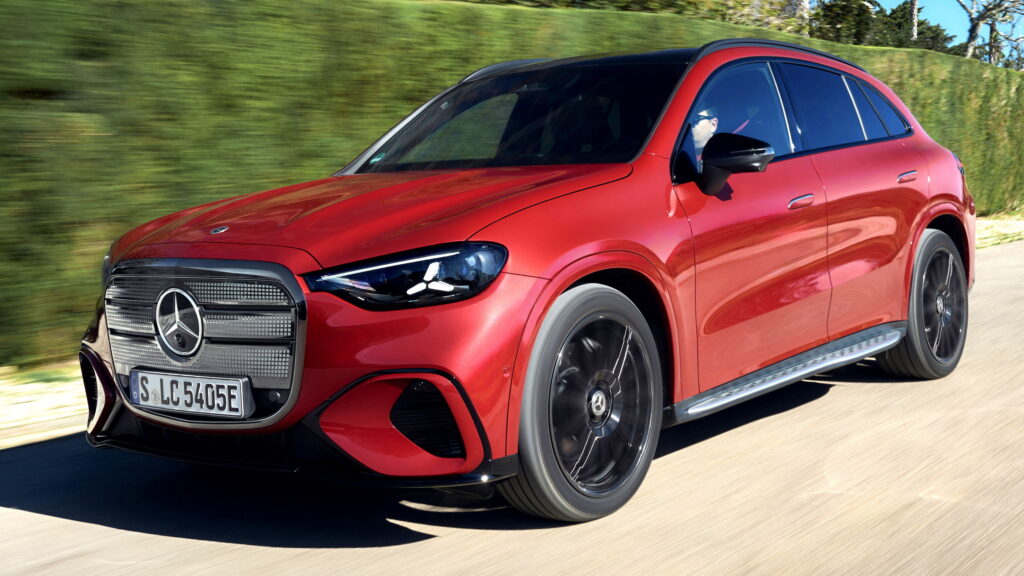
Mercedes-Benz Is Not Backing Down from Electric Cars
Despite competitors scaling back their electric programs due to slow adoption rates, Mercedes-Benz has no intention of abandoning electric vehicles. This news comes against the backdrop of cooling demand for EVs in the US following the cancellation of federal tax incentives.
Instead, over the next three years, Mercedes will introduce a series of new electric models to the American market. Among them will be three high-performance AMG models, as well as battery-powered versions of popular models such as the GLC crossover, the E-Class, and the C-Class sedan, which was unveiled today.
The Global Need for Electrification
Mercedes’ updated plans are linked to the demands of global markets. Adam Chamberlain, CEO of Mercedes-Benz USA, explained the company’s position. Strict international regulations, especially in China and Europe, mean that for a globally selling brand, it is impossible to turn its back on electric vehicles.
Mercedes is sticking to its EV plans due to the requirement from global markets, said Chamberlain. Strict international regulations, especially in China and Europe, mean that for a brand selling worldwide, it is impossible to turn its back on EVs.
However, unlike other manufacturers, they will not force electrification on consumers, hoping they will switch. Instead, Mercedes has moved to flexible vehicle platforms. Instead of the initial approach with a separate EV lineup, the company’s current plan involves designing cars compatible with gasoline engines, hybrids, or fully electric powertrains.
Demand for EVs in America Persists
Mercedes forecasts that in the foreseeable future, pockets of demand for electric vehicles will remain among American consumers, despite the loss of federal incentives. Although the company expects EVs to account for approximately 5 percent of its US retail sales this year, this is partly due to limited production and strong demand from Europe and China.
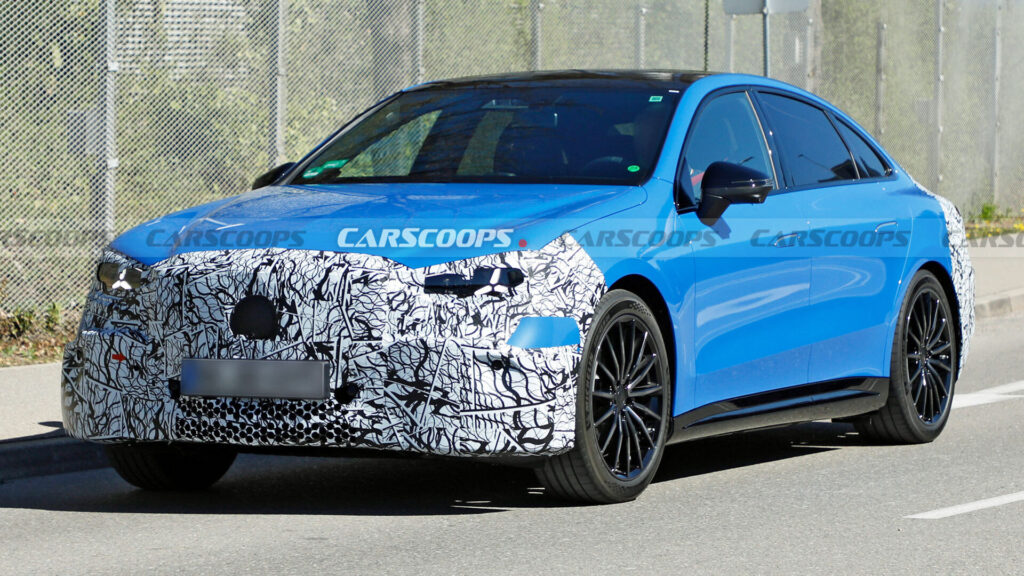

Nationally, approximately 14 percent of consumers indicate they would seriously consider an electric vehicle for their next purchase. In California, this figure rises to 28 percent. So, demand exists, but it is unevenly distributed. According to the report, Mercedes USA was only able to allocate about 200 electric CLA units for customers, and all of these units are already sold out.
Chamberlain believes US EV sales will grow to 10-15 percent by 2021, with increased supply and the launch of more mass-market electric models such as the battery-powered versions of the GLC and C-Class. Nevertheless, profitability remains a priority. He emphasized that Mercedes does not intend to produce tens of thousands of cars without confirmed demand in a fight for market share.
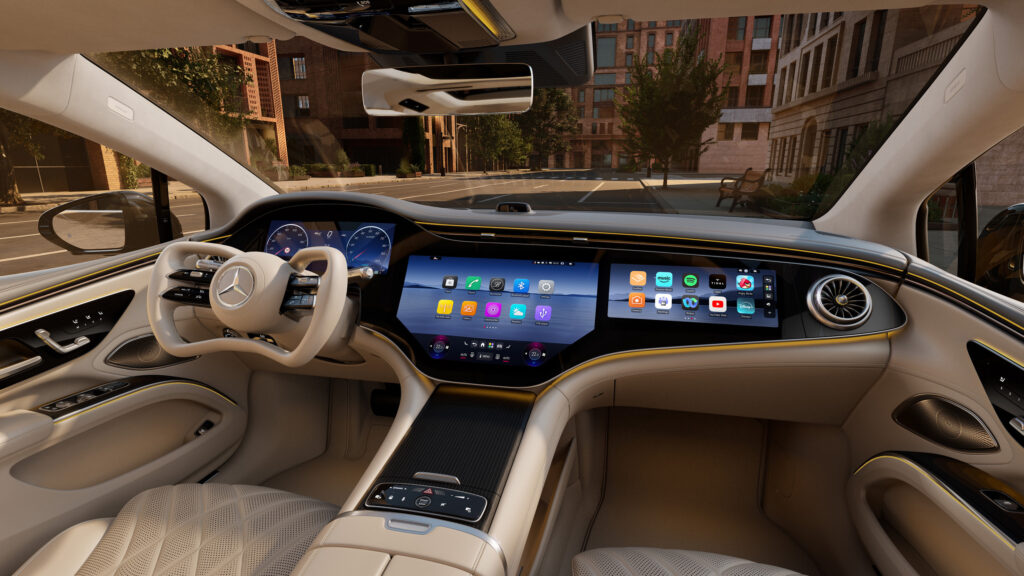

Mercedes’ approach demonstrates strategic caution compared to some competitors who have made grand statements about an electric future. The company appears to be betting on long-term flexibility by developing platforms that can adapt to different types of powertrains depending on regional market conditions and regulatory requirements. This allows it to respond to fluctuations in demand without abandoning technological development. This position could prove advantageous in a market currently characterized by uncertainty regarding the pace of the transition to electric power, especially in key regions such as North America.